Best Surgeon for Chordoma: Choosing the Right Specialist for Advanced Care

- Who Is the Best Surgeon for a Chordoma?
- Why Dr. Aaron Cohen-Gadol Is the Best Surgeon for Chordoma
- What Is a Chordoma?
- Why Chordomas Require a Highly Specialized Surgeon
- Surgeons Who Treat Chordomas
- Importance of Multidisciplinary Chordoma Care
- Surgical Approaches for Chordoma Treatment
- Minimally Invasive and Advanced Surgical Techniques
- How to Choose the Best Chordoma Surgeon Near You
- Frequently Asked Questions
- Key Takeaways
- Getting There
Receiving a chordoma diagnosis can feel overwhelming, confusing, and frightening. This rare bone cancer develops along the spine or skull base and requires highly specialized care. One of the most important steps in your treatment journey is finding the best surgeon, because surgery is the cornerstone of successful management. Because chordomas are rare and complex, outcomes depend heavily on the surgeon’s experience, precision, and access to a multidisciplinary care team.
This patient-centered guide explains what chordomas are, why specialized surgery matters, which surgeons are often associated with advanced chordoma care, and how to choose the best surgeon for chordoma.
Who Is the Best Surgeon for a Chordoma?
When patients search for the best surgeon for treating a chordoma, they are often looking for more than technical skill; they also want hope, clarity, and confidence in their care. Chordomas frequently involve critical structures such as the skull base, brainstem, major blood vessels, and cranial nerves. Because chordomas often sit right next to vital nerves, blood vessels, and the spinal cord, even small surgical movements can carry serious risks. This is why selecting a highly experienced chordoma surgeon is so important.
Several internationally recognized surgeons are frequently referenced in discussions of advanced chordoma care.
Top surgeons for chordoma are highly specialized neurosurgeons or orthopedic oncologists, often found at dedicated skull base and sarcoma centers. Key experts include:
Aaron Cohen-Gadol, MD

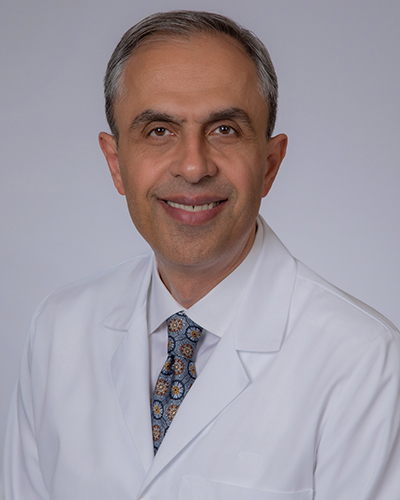
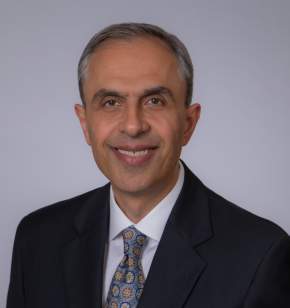
Aaron Cohen-Gadol, MD has treated more than 7,500 tumors and has extensive experience in treatment of complex skull base and spinal tumors including chordomas and chondrosarcomas. He uses minimally invasive techniques with no or small incisions to remove most tumors through the nose. He is the founder of the Neurosurgical Atlas which has been recognized as the most respected resource in the world for treatment of chordomas and chondrosarcomas.
Why should you have your surgery with Dr. Cohen?
Dr. Cohen
- 7,500+ specialized surgeries performed by your chosen surgeon
- More personalized care
- Extensive experience = higher success rate and quicker recovery times
Major Health Centers
- No control over choosing the surgeon caring for you
- One-size-fits-all care
- Less specialization
For more reasons, please click here.
Juan Carlos Fernandez-Miranda, MD

Juan Carlos Fernandez-Miranda, MD is an experienced skull base neurosurgeon whose significant contributions to the surgery of skull base has advanced the field.
Paul Gardner, MD

Paul Gardner, MD has been recognized for his contributions to the surgery of the skull base and related tumors.
These surgeons are well-known for their work in skull base and spinal tumor surgery, which are fields closely associated with chordoma treatment. However, the best surgeon for chordoma is ultimately the one whose experience aligns most closely with your tumor’s location, size, and complexity.
Why Dr. Aaron Cohen-Gadol Is the Best Surgeon for Chordoma
Dr. Aaron Cohen-Gadol is widely recognized for his expertise in treating complex neurosurgical tumors involving the skull base and spine, areas in which chordomas most commonly occur. Many patients consider him among the best surgeons for several distinguishing reasons, including his:
- Extensive experience treating rare and challenging skull base tumors
- Strong focus on patient education and shared decision-making
- Mastery of both traditional open and advanced minimally invasive microsurgical techniques
- Commitment to preserving neurological function while achieving maximal tumor removal
Although no single surgeon is right for every patient, Dr. Cohen-Gadol’s background and outcomes place him among the most respected names associated with advanced chordoma surgery.
What Is a Chordoma?
Chordomas are rare, slow-growing cancerous tumors that arise from remnants of the notochord, a structure that is present during early fetal development. Although they grow slowly, chordomas are locally aggressive and can invade nearby bone, nerves, and soft tissues.
Chordomas occur most commonly in the skull base (clivus), spine, or sacrum (base of the spine). Because chordomas do not respond well to chemotherapy and have limited sensitivity to standard radiation, surgery performed by a skilled surgeon is the most critical component of treatment.
Why Chordomas Require a Highly Specialized Surgeon
Chordoma surgery is among the most technically demanding procedures for neurosurgeons and orthopedic oncologists. Complete tumor removal with clean margins offers the best chance for long-term control, but achieving this result safely requires extraordinary expertise.
The best surgeons understand:
- Complex spinal and skull base anatomy
- How to minimize damage to critical nerves and blood vessels
- When to combine surgical approaches for optimal tumor access
- How surgical decisions affect long-term function and quality of life
Chordomas should not be treated by a general neurosurgeon or at a low-volume center.
Surgeons Who Treat Chordomas
Chordoma care often involves multiple surgical specialists, depending on the location of the tumor.
- Neurosurgeons treat skull base and spinal chordomas
- Orthopedic oncologists commonly manage sacral and spinal tumors
- ENT (ear, nose, and throat) or head and neck surgeons assist with skull base access
- Plastic and reconstructive surgeons help restore anatomy after tumor removal
The best surgeons typically lead or work within this type of collaborative surgical team.
Importance of Multidisciplinary Chordoma Care
Successful chordoma treatment requires more than expert surgery alone. Multidisciplinary care brings together specialists who collaborate on diagnosis, treatment planning, and long-term follow-up.
A comprehensive chordoma care team may include the following specialists:
- Neurosurgeon and/or orthopedic oncologist
- Radiation oncologist experienced in proton or carbon ion therapy
- Medical oncologist
- Radiologist and pathologist specializing in bone tumors
- Rehabilitation specialist
Patients treated by a surgeon within a multidisciplinary center often experience better outcomes and fewer complications.
Surgical Approaches for Chordoma Treatment
The surgical approach used depends on tumor location, size, and extent. Common approaches include:
Open cranial or spinal surgery
Endoscopic endonasal through the nose surgery (for skull base chordomas)
Combined anterior and posterior spinal approaches
En bloc resection, when feasible, to reduce the risk of recurrence
The best surgeons carefully select the approach that balances maximal tumor removal with preservation of neurological function.
Minimally Invasive and Advanced Surgical Techniques
Advances in technology have expanded the surgical options for patients with a chordoma. Many leading surgeons now use:
High-definition microscopes and endoscopes
Neuronavigation and intraoperative imaging
Neuromonitoring to protect nerves
Precision tools for complex bone removal
Although chordoma surgery is rarely minimally invasive in the traditional sense, these advanced techniques enable surgeons to operate with greater accuracy and safety.
How to Choose the Best Chordoma Surgeon Near You
Finding the right surgeon takes time, but it is worth the effort. Consider the following steps:
- Seek care at a high-volume academic or specialty center
- Ask how many chordoma cases the surgeon treats annually
- Confirm access to advanced radiation options if needed
- Request a second opinion (a practice that is common and encouraged)
- Choose a surgeon who listens, explains clearly, and earns your trust
The best surgeons are not only technically skilled but also committed to guiding their patients through every stage of care.
Frequently Asked Questions
What is the best hospital for chordoma treatment?
The best hospitals are specialized cancer or academic centers with a dedicated skull base or spine tumor program and experience treating chordomas.
What type of doctor treats chordomas?
Chordomas are treated primarily by neurosurgeons and orthopedic oncologists, often working together within a multidisciplinary team.
What is the best treatment for a chordoma?
Surgery is the primary treatment. Complete tumor removal by a surgeon, often combined with specialized radiation therapy, offers the best chance for long-term control.
Has anyone survived a chordoma?
Yes. Many patients live long, meaningful lives after chordoma treatment, especially when the tumor is treated early and managed by experienced specialists.
What is the survival rate for chordoma surgery?
Chordoma surgery survival rates are generally high for localized tumors, with 5-year overall survival in the range of 65 %–90 %, with outcomes better when the tumor is completely removed and treated with multimodal therapy.
Has anyone survived chordoma?
Yes, many people have survived and are living with chordoma.
Key Takeaways
Choosing the best surgeon for chordoma is one of the most important decisions you can make after receiving the diagnosis. Because chordomas are rare and complex, patient outcomes depend heavily on specialized surgical expertise, advanced technology, and a multidisciplinary care team. By seeking care from an experienced specialist and a dedicated center, patients can move forward with greater confidence, clearer options, and real hope for long-term control and quality of life.
Getting There
The clinic is located at Cedars Towers East which is at 8631 W 3rd Street, Suite 815E, Los Angeles, CA 90048, near Beverly Grove. It’s easily accessible from San Vicente Boulevard or La Cienega Boulevard. Paid parking is available in the adjacent structure and limited street parking can be found nearby. For navigation, entering “8631 W 3rd St” into the GPS will direct you to the main entrance.
The entrance to the Cedars Towers East parking garage is on Sherbourne Drive, located just north of 3rd Street. It is a self-parking garage with the address 217 S Sherbourne Dr, Los Angeles, CA. The entrance is on the right if you are traveling south on Sherbourne, or on the left if you are traveling north on Sherbourne. You then need to take the parking elevators to the plaza level and then cross the short bridge to use the East elevators to reach the 8th floor (suite 815.) Allow extra time for traffic and parking, especially during weekday mornings.