The Best Care for Your Brain Surgery

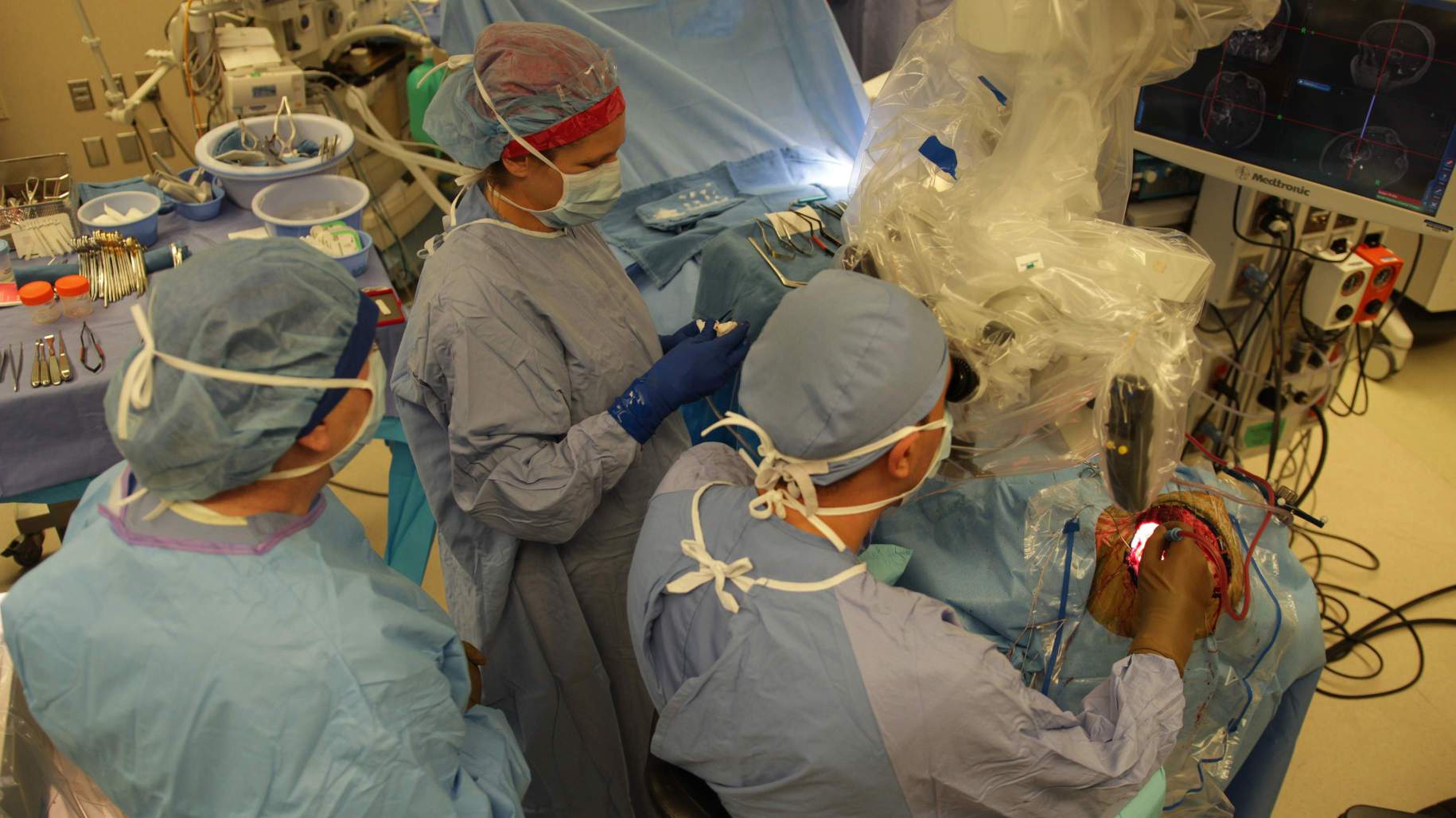
Receiving the diagnosis of a brain tumor is devastating, and it takes tremendous courage and strength to seek treatment. Ultimately, patients must be determined to find a neurosurgeon and a team of specialists equipped with the most current and safe surgical techniques to achieve the best possible outcome. Choosing the right neurosurgeon will be the most important decision that a patient can make for optimal recovery.
For decades, neurosurgical training has relied on an intense program of surgical observation and carefully supervised hands-on training with the aid of printed textbooks and surgical atlases. However, not all surgeons are exposed to the necessary training for managing high-risk operations or newly introduced procedures. After formal training, details of newer and safer techniques might never reach the neurosurgeon operating on a patient who needs it most.
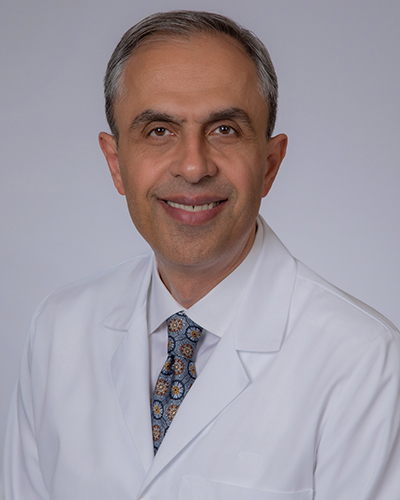
Today’s new multimedia technologies provide a unique opportunity to expand the patients' and surgeons’ access to educational materials that share the unspoken technical details that make the most significant difference for patients. The Neurosurgical Atlas, created by a visionary neurosurgeon, Dr. Aaron Cohen-Gadol, does just that. This dynamic resource enables patients and neurosurgeons to learn from one another on a scale never before possible.
The Neurosurgical Atlas is a web project featuring over 510 text chapters, 9,000 illustrations, 1,200 educational videos, more than 200 “grand-round” webinars presented by world-renowned neurosurgeons, and ultrarealistic 3D anatomical models. These resources are constantly updated by a team of medical experts and artists. Currently and as of January 2023, The Neurosurgical Atlas supports more than 70,000 neurosurgeons and 1.3 million website users/care providers across the globe.
This current collection that is dedicated to the patients, provides the patients with the best resource and necessary information to make the best decision for their brain surgery.
We believe that patients, wherever they are, must have access to neurosurgeons who are equipped with the most current surgical techniques. Through The Neurosurgical Atlas and Neurosurgical Atlas Foundation, we aim to advance patient safety and care worldwide to promote life after brain surgery. However, we cannot do this without your support. Please consider donating to grow The Neurosurgical Atlas and improve the care of patients suffering from neurological and neurosurgical disorders. Thank you for visiting The Neurosurgical Atlas, and we wish you the very best.
Aaron A. Cohen-Gadol, MD, MSc, MBA
Los Angeles, CA
FAQs
What helps speed up brain surgery recovery?
Recovery from brain surgery is facilitated by a combination of medical guidance, physical rest, graded activity, proper nutrition, and targeted rehabilitation therapies that support neuroplasticity and overall healing. Family and friends' support is also important.
What is the hardest brain surgery to do?
The most difficult brain surgeries are deep-seated brainstem tumor removals, complex aneurysm clippings, and arteriovenous malformation (AVM) resections. These operations are exceptionally difficult because they take place in tiny, vital areas packed with critical nerves and blood vessels.
Do you ever fully recover from brain surgery?
Yes, full recovery from brain surgery is possible, but it depends heavily on the reason for the operation, the specific area of the brain affected, and individual health. While many people return to their normal routines within a few months, others may experience long-term or permanent changes that require ongoing adaptation.
Is brain surgery a high-risk surgery?
Yes, brain surgery is a major medical event carrying serious risks like bleeding, infection, and changes in brain function. However, new tools and methods have made these operations safer than in the past.