Who Is the Best Surgeon for Craniopharyngioma?

Finding the best surgeon is one of the most important decisions a patient and family can make after being diagnosed with a craniopharyngioma.
Craniopharyngiomas are rare, complex brain tumors located near critical structures such as the optic nerves, pituitary gland, and hypothalamus. Because of their delicate location, treatment requires a highly experienced craniopharyngioma specialist with advanced microsurgical and endoscopic expertise.
There is no universal best surgeon for craniopharyngioma. Instead, the best choice depends on the tumor’s specific characteristics, the patient’s age and overall health, and the surgeon’s experience with skull base and pituitary tumors.
In this article, we explore what craniopharyngiomas are and who treats them, and highlight several internationally recognized experts considered among the best surgeons for craniopharyngiomas today.
What Is a Craniopharyngioma?
Craniopharyngiomas are rare, benign (noncancerous) brain tumors that develop near the pituitary gland at the base of the brain. Although they are not cancerous and do not spread to distant parts of the body, they can still behave aggressively in terms of growth and recurrence. Their location near critical brain structures often makes them difficult to treat and increases the risk of significant complications.
There are two main subtypes:
- Adamantinomatous craniopharyngiomas (more common in children)
- Papillary craniopharyngiomas (more common in adults)
Symptoms may include the following:
- Vision problems
- Headaches
- Hormonal imbalances
- Delayed growth (in children)
- Fatigue
- Weight gain
Because they occur near the optic chiasm and hypothalamus, even small craniopharyngiomas can cause significant symptoms, which is why early evaluation by a craniopharyngioma specialist is crucial.
Who Treats Craniopharyngiomas?
Treating a craniopharyngioma requires a multidisciplinary team. However, the central figure is typically a skull base neurosurgeon, often regarded as the best surgeon for treating a craniopharyngioma within a given institution.
The care team might include the following healthcare providers:
- Neurosurgeon (skull base specialist)
- Endocrinologist
- Radiation oncologist
- Neuro-ophthalmologist
- Pediatric neurosurgeon (for children)
- Neuro-oncologist
Surgical removal is usually the first-line treatment. Advances in endoscopic endonasal surgery have resulted in many tumors being removed via access to the area through the nose, which reduces recovery time and the risk of complications. In some cases, subtotal resection (surgical removal of only part of the tumor) followed by radiation therapy is recommended to minimize risks.
Choosing a craniopharyngioma specialist with extensive experience in both microscopic and endoscopic skull base techniques significantly improves patient outcomes.
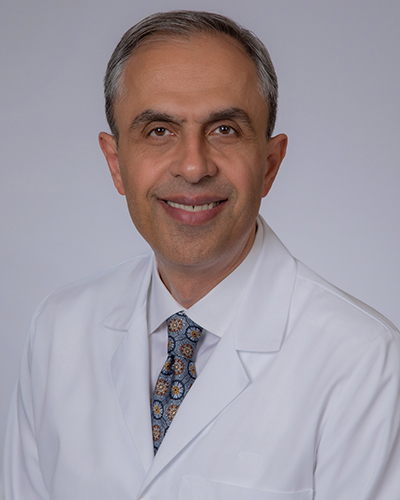
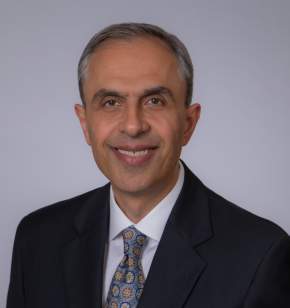
Why should you have your surgery with Dr. Cohen?
Dr. Cohen
- 7,500+ specialized surgeries performed by your chosen surgeon
- More personalized care
- Extensive experience = higher success rate and quicker recovery times
Major Health Centers
- No control over choosing the surgeon caring for you
- One-size-fits-all care
- Less specialization
For more reasons, please click here.
Who Is the Best Surgeon for Craniopharyngioma?
Although no single surgeon can be labeled universally as the best surgeon for craniopharyngiomas, several internationally respected neurosurgeons are recognized for their expertise in skull base and pituitary tumors.
Aaron Cohen-Gadol, MD

Dr. Cohen-Gadol is a renowned skull base neurosurgeon known for treating complex brain tumors, including craniopharyngiomas. He is particularly recognized for combining advanced microsurgical techniques with minimally invasive surgeries.
As one of the best surgeons for craniopharyngioma, Dr. Cohen-Gadol emphasizes individualized surgical planning. His expertise includes the following:
- Endoscopic endonasal surgery
- Microsurgical skull base approaches
- Tumors involving the optic apparatus
- Recurrent craniopharyngiomas
Patients seeking the best craniopharyngioma surgeon often look for surgeons with deep experience managing tumors attached to critical neurovascular structures, an area in which Dr. Cohen-Gadol is well regarded.
Juan Carlos Fernandez-Miranda, MD

Dr. Fernandez-Miranda is internationally recognized for his work in endoscopic skull base surgery. He has made significant contributions to the advancement of endonasal approaches for treating complex tumors.
As a craniopharyngioma specialist, he is known for the following:
- Extensive experience with endoscopic endonasal removal of tumors
- Anatomical research in skull base surgery
- Management of large and complex tumors
Patients with a craniopharyngioma extending into the third ventricle or tightly adherent to the hypothalamus might seek a surgeon with this high level of technical expertise.
Mark Souweidane, MD

Dr. Souweidane is widely respected for pediatric neurosurgery and the treatment of brain tumors in children. For families searching for the best craniopharyngioma surgeon for their child, his name is often mentioned.
His expertise includes the following:
- Pediatric skull base tumors
- Minimally invasive neurosurgical techniques
- Intraventricular tumors
- Long-term outcome management
Craniopharyngiomas in children present unique challenges because their growth and hormonal development must be considered. A pediatric craniopharyngioma specialist plays a critical role in minimizing long-term complications.
Jeffrey Greenfield, MD, PhD

Dr. Greenfield is a prominent pediatric neurosurgeon known for treating complex brain tumors in children. His experience managing craniopharyngiomas focuses on balancing tumor removal with preserving quality of life.
His areas of expertise include the following:
- Hypothalamic-sparing approaches
- Pediatric tumor surgery
- Multidisciplinary tumor care
- Long-term survivorship planning
When families look for the best craniopharyngioma surgeon for pediatric patients, experience with growth, endocrine function, and neurocognitive outcomes is critical.
Theodore (Ted) H. Schwartz, MD, PhD

Dr. Schwartz is a leader in endoscopic skull base surgery and has extensive experience treating pituitary tumors and craniopharyngiomas.
As a craniopharyngioma specialist, he is recognized for the following:
- Advanced endoscopic techniques
- Research in minimally invasive neurosurgery
- Expertise in tumors near the optic nerves and pituitary gland
- Complex revision surgeries
For patients seeking the best surgeon for a craniopharyngioma, surgeons with high-volume skull base practices and academic leadership often stand out.
Frequently Asked Questions
Who is the best doctor for treating a craniopharyngioma?
The best doctor or surgeon to treat a craniopharyngioma is typically a fellowship-trained skull base neurosurgeon with extensive experience in pituitary and parasellar tumors. A craniopharyngioma specialist who works within a multidisciplinary center offers the best outcomes. The best craniopharyngioma surgeon is often one who has treated a large number of similar cases.
What is the best surgery for a craniopharyngioma?
The best surgical approach depends on the size and location of the tumor and the involvement of surrounding structures. Common approaches include endoscopic endonasal surgery (through the nose), transcranial (open-skull) microsurgery, and combined approaches. For many midline tumors, endoscopic endonasal removal has become increasingly preferred when performed by an experienced craniopharyngioma specialist.
What is the new name for craniopharyngioma?
Craniopharyngiomas have not been renamed, but they are now classified as one of two molecularly distinct subtypes: adamantinomatous or papillary. Advances in molecular research have improved our understanding but not changed their name.
What size of craniopharyngioma requires surgery?
There is no specific size threshold. Surgery is typically recommended when a tumor causes visual symptoms, hormonal dysfunction is present, there is evidence of growth, and/or the tumor is compressing surrounding structures. Even a small tumor might require surgery if it affects vision or endocrine function. A craniopharyngioma specialist evaluates imaging and symptoms together before recommending an intervention.
When should I see a craniopharyngioma doctor?
You should see a craniopharyngioma specialist if your doctor recommends further evaluation, your condition requires specialized care, or your symptoms continue to worsen despite treatment. A specialist can also help if you need advanced imaging, diagnostic testing, specialized procedures, or a second opinion. Early consultation with an experienced specialist can help ensure an accurate diagnosis and the most appropriate treatment plan.
Why is it important to get a second opinion from a different craniopharyngioma doctor?
A second opinion can help confirm the diagnosis, provide additional insight into the cause and extent of the condition, and identify alternative treatment options. It also allows patients to better understand the potential benefits and risks of different approaches, helping them make informed decisions about their care. For complex conditions such as craniopharyngioma, seeking a second opinion can offer valuable reassurance and confidence in the chosen treatment plan. Additionally, it is advisable to check with your insurance provider regarding coverage for second-opinion consultations.
What questions should I ask my craniopharyngioma doctor?
To better understand your condition and treatment options, consider asking:
- What is a craniopharyngioma, and how does it affect my health?
- What treatment options are available, and which do you recommend?
- What symptoms or side effects should I monitor?
- What tests or imaging studies will I need, and when will the results be available?
- Will I need to see other specialists, such as an endocrinologist or ophthalmologist?
- How can I contact you or your care team if I have questions after my appointment?
These questions can help you gain a clearer understanding of your diagnosis and make informed decisions about your care.
Key Takeaways
Choosing the best surgeon for treating a craniopharyngioma can significantly influence surgical outcomes, long-term hormonal health, and quality of life. Because of the tumor’s proximity to vital structures, expertise in skull base and pituitary surgery is essential.
Rather than focusing on a single “best” surgeon for their craniopharyngioma, patients should prioritize the following:
- High surgical volume
- Specialized skull base training
- Multidisciplinary team access
- Experience with both adult and pediatric patients
- Proven outcomes in complex tumors
Consulting a recognized craniopharyngioma specialist at a leading academic medical center often provides the safest and most advanced treatment options available today.
Getting There
The clinic is located at Cedars Towers East which is at 8631 W 3rd Street, Suite 815E, Los Angeles, CA 90048, near Beverly Grove. It’s easily accessible from San Vicente Boulevard or La Cienega Boulevard. Paid parking is available in the adjacent structure and limited street parking can be found nearby. For navigation, entering “8631 W 3rd St” into the GPS will direct you to the main entrance.
The entrance to the Cedars Towers East parking garage is on Sherbourne Drive, located just north of 3rd Street. It is a self-parking garage with the address 217 S Sherbourne Dr, Los Angeles, CA. The entrance is on the right if you are traveling south on Sherbourne, or on the left if you are traveling north on Sherbourne. You then need to take the parking elevators to the plaza level and then cross the short bridge to use the East elevators to reach the 8th floor (suite 815.) Allow extra time for traffic and parking, especially during weekday mornings.