How to Prevent Glioblastoma


It is natural to wonder about preventing gliomas, especially if you or a family member has been affected. This article will explore the potential risk factors for developing gliomas and address common questions about preventing brain tumors.
There is no evidence of one specific thing causing or preventing gliomas. However, researchers have identified common risk factors. For example, ionizing radiation may increase the possibility of developing a tumor. Also, certain inherited genetic factors and older age may increase susceptibility to tumors such as gliomas.
Often and unfortunately, there is no way to prevent aggressive tumors like glioblastoma. However, practicing a healthy lifestyle and avoiding risk factors may reduce susceptibility.
Below, we look closer at the risk factors and questions around how to prevent glioblastoma.
What Puts You at Risk for Glioblastoma?
Glioblastoma, previously referred to as glioblastoma multiforme, is the most aggressive and dangerous form of glioma. Glioblastomas develop when a mutation (alteration) occurs in the genetic makeup and normal function of glial cells in the brain.
What causes this mutation? Unfortunately, there are no definitive answers. If doctors knew the exact cause of gliomas, it would be easier to outline ways to prevent them. With that said, researchers have identified common risk factors for brain tumors.
Here is a list of potential risk factors for glioblastoma:
- Exposure to high doses of ionizing radiation
- Family history of glioma
- Age over 60 (though, adults and children are also susceptible)
- Male sex (glioblastoma is more common in males)
Let's look at these potential risk factors in more depth.
Note: Risk factors are not causes; they are common findings in people who have a certain disease.
How to Prevent Glioblastoma?
There is no known way to prevent glioblastoma, as most cases occur randomly without a clear cause or identifiable lifestyle risk factors. While genetic mutations and, in rare cases, inherited syndromes are involved, the only established modifiable risk factor is limiting exposure to ionizing radiation.
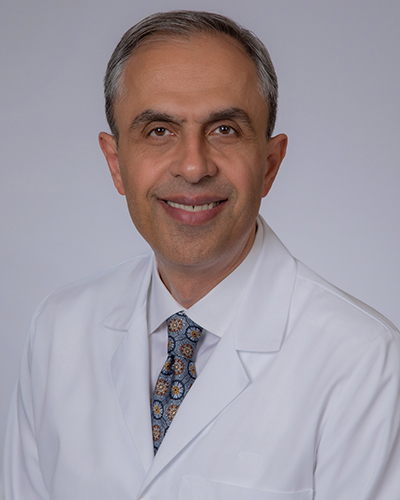
Why should you have your surgery with Dr. Cohen?
Dr. Cohen
- 7,500+ specialized surgeries performed by your chosen surgeon
- More personalized care
- Extensive experience = higher success rate and quicker recovery times
Major Health Centers
- No control over choosing the surgeon caring for you
- One-size-fits-all care
- Less specialization
For more reasons, please click here.
Ionizing Radiation and Glioma
Ionizing radiation is a form of energy that can alter the nature of atoms. Exposure to sufficient amounts of radiation can increase the risk of cancer. However, even with large doses of radiation, it is not guaranteed that everyone exposed will develop tumors.
What types of things produce ionizing radiation? And how can you avoid too much ionizing radiation?
Here are several forms of ionizing radiation:
- CT scans
- Repeated number of X-rays
- PET scans
- Nuclear medical procedures
As you can see, medical procedures using radiation can increase the risk of some cancers. Physicians carefully weigh the potential risks and benefits when using these types of diagnostic imaging tests. Often times, the benefit of the imaging test far exceeds the risk of developing cancer from the medical scan.
Hereditary factors may also play a role in developing brain tumors. We talk more about genetics in the next section.
Is Glioblastoma Hereditary?
There is some indication that people with a family history of glioblastoma have an increased risk of developing glioblastoma, particularly if they have certain rare genetic syndromes. However, keep in mind that many people develop gliomas with no family history.
Here are several rare genetic syndromes that could increase the risk of brain cancer:
- Neurofibromatosis type 1
- Turcot syndrome
- Li-Fraumeni Syndrome
After your tumor has been removed via biopsy or surgery, your physician may check the tumor cells for specific genetic markers that have prognostic value. Two common markers are IDH and MGMT. Mutations or inactivation of these genes are often associated with better response to treatment.
Genetic markers for glioblastoma:
- IDH1: Isocitrate dehydrogenase (IDH) is an enzyme involved in cellular metabolism.
- MGMT: O6-methylguanine-DNA methyltransferase (MGMT) is an enzyme that can repair DNA.
Since these enzymes are involved in tumor growth and DNA repair, inactivation of these genes is beneficial to the patient. Tumors with MGMT promoter methylation have a silent MGMT gene, meaning that the DNA repair enzyme is not produced. This makes the tumor more susceptible to chemotherapeutic agents like Temodar.
In the next sections, we will address common questions about environment, stress, and diet.
Glioblastoma Environmental Causes
There is no direct causal relationship between environmental factors and gliomas. Unfortunately, most studies are not conclusive enough to say what, if any, environmental factors cause gliomas.
It is important to tread cautiously when researching this issue, as there are many theories and ideas about the causes of brain tumors, many of which are unfounded. Until we all know more, it is best to sidestep unwarranted anxiety.
Below, we will address stress and gliomas.
Can Stress and Anxiety Cause Gliomas?
Some people wonder if stress and anxiety can cause a brain tumor. There are no studies with conclusive evidence to say that stress causes glioblastoma or any other type of glioma. However, we do know that overwhelming amounts of stress can reduce immune system function (the part of your body that fights off disease and tumors).
For the best chance to lead a healthy life, do your best to combat stress.
Ways to reduce stress:
- Exercise
- Rest and sleep
- Socializing with supportive people
- Eating healthy
Let's talk about a good diet for fighting cancer.
How to Prevent Glioblastoma with Certain Foods
Eating healthy will reduce stress, help you feel better, and improve your body's immune system. Some people wonder if certain foods will prevent brain cancer. There is no known "super-food" that guarantees protection from cancer. However, certain foods are probably more helpful than others.
Good nutrition to fight cancer:
- Vitamins
- Minerals (nuts, seeds, vegetables)
- Antioxidants (blueberries, spinach, carrots)
- Phytochemicals (plant-based chemicals)
Some groups have compiled nutritious meals and recipes designed for cancer patients that can help deal with the potential side effects of treatment.
FAQs
How to slow down glioblastoma?
Some patients with recurrent glioblastoma may qualify for an additional surgical procedure aimed at removing as much of the tumor as possible. Radiation therapy may also be used for palliative purposes, helping to slow tumor growth and alleviate symptoms associated with the disease.
Do people survive glioblastoma?
Glioblastoma is a highly aggressive and fast-growing brain cancer. Even with treatment, long-term survival is uncommon. Large studies indicate that only about 5% to 7% of patients are alive five years after diagnosis. While some individuals may live longer, survival beyond 10 years is rare.
What is the first symptom of glioblastoma?
Common symptoms include headaches, which are often among the earliest signs of glioblastoma. These headaches may gradually worsen, become more frequent, and may not respond to over-the-counter pain medications.
Key Takeaways
- It is impossible to accurately predict who will develop a glioma. As a result, there are no proven treatments that work to prevent glioma. However, it is wise to be aware of risks factors like ionizing radiation, older age, and genetic predisposition to understand how to prevent glioblastoma.
- Keep in mind that risk factors do not guarantee anything. Some people might have all the risk factors and never develop gliomas, while others might have no apparent risk factors yet still develop a tumor.
- Unfortunately, the cause and prevention of glioma are currently out of our hands. To prevent cancers, do your best to live a healthy lifestyle and alert your physician to any troubling symptoms.