Understanding Semicircular Canal Dehiscence Surgery: What You Need to Know

- Who May Need Semicircular Canal Dehiscence Surgery?
- Should I get a second opinion before SCDS surgery?
- Outcomes After SCDS Surgery
- Preparing for Semicircular Canal Dehiscence Surgery
- What Happens During Surgery for Superior Semicircular Canal Dehiscence Syndrome?
- What Are the Risks of SCDS Surgery?
- Recovering from SCDS Surgery
- What Is the SCDS Surgery Success Rate?
- Unsure Whether Surgery Is the Right Next Step?
- Frequently Asked Questions
Semicircular canal dehiscence surgery fixes a rare inner ear problem: an abnormal opening in the bone over a semicircular canal, most often the superior semicircular canal. This disrupts normal balance and hearing mechanics.
The primary purpose of semicircular canal dehiscence surgery is to restore the normal mechanics of the inner ear by closing or reinforcing the abnormal opening.
Surgeons access the canal via a middle fossa craniotomy (skull opening) or transmastoid approach (behind the ear), then use bone, fat, or bone cement to seal the defect.
The procedure is performed under general anesthesia, meaning that you will be asleep and pain-free during the operation. An experienced neurotologist or otologic surgeon leads the surgical team, often in collaboration with a neurosurgeon, depending on the approach used.
While the surgery is effective for many, risks include temporary dizziness or changes in hearing. This surgery is generally successful in restoring balance and hearing.
Recovery expectations vary, but most patients spend at least one night in the hospital for observation. Temporary dizziness or imbalance is common early after surgery but usually improves over the following weeks and months. A structured recovery plan, often including vestibular physical therapy, helps patients return to normal activities safely.
Who May Need Semicircular Canal Dehiscence Surgery?
Not everyone diagnosed with semicircular canal dehiscence syndrome (SCDS) requires an operation. The decision to proceed is individualized and based on symptom severity, impact on daily function, and response to conservative measures.
Candidates for surgery typically include people who experience the following:
- Debilitating dizziness or vertigo triggered by sound or pressure changes
- Autophony (hearing one’s own voice, heartbeat, or eye movements abnormally loudly)
- Persistent imbalance that limits work, driving, and/or self-care
- Hearing changes that cannot be managed adequately with observation alone
Before recommending an operation, clinicians confirm the diagnosis using a combination of high-resolution computed tomography (CT) imaging, vestibular testing, and audiologic evaluation. These tests help ensure that symptoms are truly arising from a superior canal defect and not another inner-ear disorder.
Nonsurgical management may be appropriate for patients with mild or intermittent symptoms. Strategies can include avoiding known triggers, using hearing protection in loud environments, and monitoring symptoms over time. Some individuals find that their condition remains stable without intervention.
A thorough discussion with a specialist will help clarify the potential benefits and risks in individual situations.
Should I get a second opinion before SCDS surgery?
Yes. Because SCDS is a rare condition and surgery involves the delicate structures of the inner ear and skull base, many patients seek a second opinion before proceeding. Reviewing your imaging and diagnostic testing with an experienced multidisciplinary team can help confirm the diagnosis and ensure that surgery is the most appropriate treatment for your condition.
Why should you have your surgery with Dr. Cohen?
Dr. Cohen
- 7,500+ specialized surgeries performed by your chosen surgeon
- More personalized care
- Extensive experience = higher success rate and quicker recovery times
Major Health Centers
- No control over choosing the surgeon caring for you
- One-size-fits-all care
- Less specialization
For more reasons, please click here.
Outcomes After SCDS Surgery
Overall, outcomes after repair of the superior canal are favorable when patients are carefully selected, and an experienced team performs the procedure. Multiple clinical series have shown high rates of symptom improvement.
Symptom improvement commonly includes the following:
- Significant reduction or resolution of sound- and pressure-induced vertigo
- Decreased autophony and sound sensitivity
- Improved balance confidence and daily functioning
Many patients report noticeable improvement within weeks after surgery, with continued gains over several months as the brain adapts to restored inner-ear mechanics.
Long-term patient satisfaction rates are generally high, particularly when preoperative symptoms were clearly linked to a superior canal defect.
Preparing for Semicircular Canal Dehiscence Surgery
Preparation for superior semicircular canal dehiscence surgery begins before the day of the operation. Clear communication and planning on the part of the surgeon help ensure a smoother experience.
Preoperative instructions may include the following:
- Undergo complete imaging, hearing tests, and vestibular studies
- Review medications with your care team and stop certain drugs as advised
- Avoid eating and drinking for a specified period before anesthesia is given
- Arrange for time off work and transportation home
Most patients should plan for a hospital stay of one to two nights. Remember to pack essentials such as:
- Photo ID and insurance/medical paperwork
- Medication list (names, doses, timing)
Bring actual medications only if your hospital instructs you to do so. - Glasses, hearing aids, or cochlear processor (plus cases)
Leave valuables at home when possible. - Phone and charger (long cable is helpful)
- Comfortable clothing and essential toiletries
- Emergency contact information
Planning and support are important. Because dizziness and fatigue are common initially, arranging for a family member or friend to assist at home during the first week is wise. Discuss expectations openly with your support system so that help is available when needed.
Mental preparation also matters. Understanding the steps of the procedure and the typical recovery timeline can reduce anxiety and help set realistic expectations.
What Happens During Surgery for Superior Semicircular Canal Dehiscence Syndrome?
On the day of surgery for superior semicircular canal dehiscence, you will be taken to the operating room and placed under general anesthesia. Continuous monitoring will ensure your safety throughout the procedure.
One of two main surgical approaches will be used to access the superior canal. Either a middle cranial fossa approach, which involves gently lifting the temporal lobe to reach the canal from above it, or a transmastoid approach, which reaches the canal through the mastoid bone behind the ear. The choice depends on anatomy, the surgeon’s expertise, and individual clinical factors.
Once the canal has been exposed, the surgeon will perform a repair technique designed to eliminate the abnormal opening. The goal is to restore normal inner-ear fluid dynamics while preserving hearing and balance function as much as possible.
After the repair is complete, the surgical site is closed, and you will be taken to the recovery area for monitoring as you awaken from the anesthesia.
What Are the Risks of SCDS Surgery?
As with any operation, there are potential risks. Understanding them will help you make informed decisions.
Possible complications include the following:
- Temporary or, rarely, permanent changes in hearing
- Short-term worsening of balance or dizziness
- Headache or discomfort related to the surgical approach
- Infection or cerebrospinal fluid leak (uncommon with proper technique)
Most complications are infrequent and manageable when promptly addressed. Surgeons take extensive precautions to minimize risk, and careful postoperative monitoring helps detect issues early.
A detailed discussion of risks and benefits with your surgeon is a critical part of the decision-making process.
Recovering from SCDS Surgery
Hospital Stay
After the procedure, you will be observed in the hospital to ensure stable neurologic status, pain control, and adequate balance for safe movement. Medications may be given to manage nausea, dizziness, or discomfort.
Some patients have temporary head dressings or drainage tubes, which are usually removed before discharge from the hospital. Early mobilization (such as sitting up and walking with assistance) is encouraged to promote recovery and reduce the risks and severity of complications.
Recovery at Home
Once home, rest is important, but light activity should be increased gradually as tolerated. Typical activity limitations include avoiding heavy lifting, straining, and high-impact exercise for several weeks. Driving should be postponed until dizziness and reaction times have improved.
Follow-up appointments will enable your surgeon and audiology team to monitor your healing, hearing, and balance. Imaging or hearing tests may be repeated to document surgical success.
Vestibular Physical Therapy After SCDS Surgery
Vestibular physical therapy plays a key role in recovery for many patients. Specialized therapists guide exercises that help the brain adapt to changes in vestibular input, which improves balance, gaze stability, and confidence with movement.
Therapy programs are individualized and progress over time. Consistent participation often shortens recovery time and reduces lingering dizziness.
Information About the Surgical Team and Specialty Services
Successful treatment relies on a multidisciplinary team that may include neurotologists, neurosurgeons, anesthesiologists, audiologists, physical therapists, and specialized nursing staff. Access to comprehensive specialty services ensures coordinated care from diagnosis through rehabilitation, improving overall outcomes.
What Is the SCDS Surgery Success Rate?
Surgery for superior canal dehiscence syndrome has a high success rate, generally ranging between 70% and 90% in improving or resolving debilitating symptoms like vertigo and autophony.
Unsure Whether Surgery Is the Right Next Step?
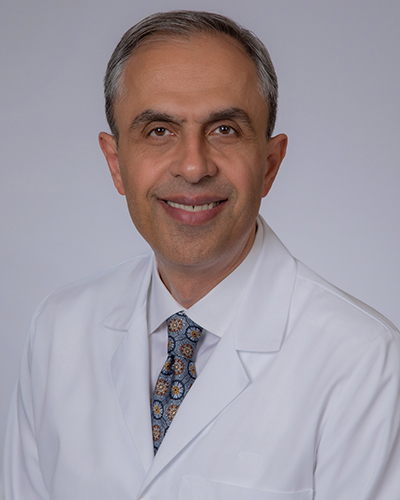
Living with persistent dizziness, imbalance, or hearing disturbances can make everyday activities frustrating and unpredictable. Dr. Aaron Cohen-Gadol works closely with experienced neurotologists to review your CT scans, hearing tests, vestibular evaluations, and medical history to determine whether surgery is likely to improve your symptoms. A personalized consultation can help you understand your options and make an informed decision with confidence.
Frequently Asked Questions
What is the recovery time for semicircular canal dehiscence surgery?
Initial recovery typically takes several weeks; most patients can resume many normal activities within four to six weeks. Full balance compensation and maximal improvement may continue for several months, especially if vestibular therapy is part of the postsurgical plan.
Is SCD surgery successful?
Yes. For appropriately selected patients, outcomes are generally very good. The majority of patients experience a meaningful reduction in their most troublesome symptoms and report improved quality of life.
Is ear surgery considered major surgery?
Procedures involving the inner ear and skull base are considered significant because of the delicate structures involved. However, advances in imaging, surgical techniques, and perioperative care have made these operations safer and more predictable than in the past.
Which surgical technique is commonly used to address superior semicircular canal dehiscence?
Canal plugging, resurfacing, or both techniques are widely used to close the defect and restore normal inner-ear mechanics. The specific approach is tailored to each patient’s anatomy and clinical needs.
This comprehensive overview is intended to help patients and families understand the goals, process, and recovery associated with treatment for SCD, empowering them to make informed decisions in partnership with their healthcare team.
Does SCDS get worse over time?
Superior canal dehiscence syndrome symptoms do not always get worse over time. Still, the condition is generally considered progressive or stable rather than self-healing, as the underlying bony opening does not heal on its own.
Can you fly with superior canal dehiscence?
It is generally possible to fly with superior canal dehiscence, but the rapid pressure changes during takeoff and landing can trigger symptoms like dizziness, vertigo, or autophony. While flying is not strictly forbidden, it is recommended to use precautions to manage symptoms.
Can superior canal dehiscence go away?
Superior canal dehiscence does not go away on its own because the missing bone in the inner ear does not repair itself.