Expert Scoliosis and Lordosis Treatment in Los Angeles

- What Is Scoliosis?
- Understanding Lordosis
- When to Seek Treatment for Scoliosis or Lordosis
- Nonsurgical Treatments for Scoliosis Los Angeles
- Nonsurgical Options for Lordosis Treatment Los Angeles
- Surgical Options for Scoliosis and Lordosis
- Minimally Invasive Spine Surgery for Spinal Deformities
- Recovery Timeline After Scoliosis or Lordosis Surgery
- Benefits and Success Rates of Spine Deformity Treatments
- Risks and Possible Complications
- Choosing the Best Spine Surgeon in Los Angeles for Scoliosis or Lordosis
- Why Dr. Aaron Cohen-Gadol Is a Trusted Specialist for Spine Deformities
- Frequently Asked Questions
- Key Takeaways
If you are in Los Angeles and living with chronic back pain, uneven posture, or difficulty standing upright, you may be searching for advanced care options for scoliosis or lordosis. Both scoliosis and lordosis affect the spine’s natural alignment, but with modern diagnostic tools and personalized treatment, patients can achieve lasting relief and improved function.
For scoliosis Los Angeles and lordosis treatment Los Angeles, world-class spine specialists such as Dr. Aaron Cohen-Gadol offer comprehensive care that includes nonsurgical therapies, minimally invasive techniques, and advanced corrective surgery to restore balance, mobility, and confidence.
What Is Scoliosis?
Scoliosis is a spinal condition characterized by an abnormal sideways curvature of the spine, often resembling an S or C shape. It can develop at any age but is diagnosed most commonly in adolescents during a growth spurt. In adults, scoliosis can result from degenerative changes, previous injury, or untreated childhood curvature.
The severity of the condition can vary, ranging from mild spinal imbalance to more pronounced deformity that affects breathing and mobility. For patients seeking care for scoliosis, early diagnosis and a customized treatment plan are key to preventing progression and maintaining spinal health.
Understanding Lordosis
Lordosis refers to an excessive inward curve of the spine, typically in the lower back (lumbar lordosis) or neck (cervical lordosis). This exaggerated curvature can cause poor posture, back pain, and muscular imbalances. A mild case of lordosis might not cause noticeable symptoms, but a more severe lordosis can lead to nerve compression or joint strain.
Proper evaluation and treatment are essential for identifying the underlying cause, whether it’s weak abdominal muscles, obesity, a structural abnormality, or degenerative disc disease, and for designing an effective care plan that restores natural spinal alignment.
Why should you have your surgery with Dr. Cohen?
Dr. Cohen
- 7,500+ specialized surgeries performed by your chosen surgeon
- More personalized care
- Extensive experience = higher success rate and quicker recovery times
Major Health Centers
- No control over choosing the surgeon caring for you
- One-size-fits-all care
- Less specialization
For more reasons, please click here.
When to Seek Treatment for Scoliosis or Lordosis
You should consider a professional evaluation if you experience any of the following symptoms:
- Persistent back or neck pain that worsens with activity or prolonged standing
- Uneven shoulders, hips, or ribcage
- Visible spinal curvature or poor posture
- Difficulty maintaining balance or mobility
- Breathing limitations or chest tightness (in severe scoliosis)
Early consultation for these symptoms can prevent worsening curvature and reduce long-term complications.
Nonsurgical Treatments for Scoliosis Los Angeles
Many patients with mild to moderate scoliosis benefit from conservative care. Nonsurgical treatments aim to slow curve progression, relieve pain, and improve posture and core stability. Options include the following:
- Physical therapy: Targeted exercises strengthen the muscles that support the spine and correct posture.
- Bracing: Custom orthotic braces are used primarily in adolescents to prevent curve progression during growth.
- Pain management: Anti-inflammatory medications, muscle relaxers, and injections might help manage discomfort.
- Lifestyle modifications: Core strengthening, swimming, and yoga can enhance spinal alignment and flexibility.
A personalized program for scoliosis focuses on long-term symptom management while maintaining spinal mobility and balance.
Nonsurgical Options for Lordosis Treatment Los Angeles
Mild lordosis can often be managed without surgery through a combination of physical therapy, posture correction, and strengthening exercises. Effective lordosis treatment might include the following:
- Physical therapy: Customized exercises strengthen abdominal and gluteal muscles while stretching tight lower back and hip flexor muscles.
- Weight management: Reducing excess weight can relieve strain on the lumbar spine and help restore natural curvature.
- Posture training: Ergonomic adjustments and awareness techniques improve daily posture and alignment.
- Chiropractic care and massage therapy: These treatments help alleviate muscle tension and support healthy spinal movement.
In more advanced cases, a guided rehabilitation program designed by a spine specialist ensures safe and lasting improvement.
Surgical Options for Scoliosis and Lordosis
When nonsurgical therapies do not provide adequate relief or when the spinal deformity progresses significantly, surgery might be recommended. The goal of surgery is to correct the curvature, stabilize the spine, and relieve pressure on the affected nerves. Surgical procedures for scoliosis and lordosis treatment include the following:
- Spinal fusion: the most common procedure; uses rods, screws, and bone grafts to realign and stabilize the spine
- Vertebral body tethering: a motion-preserving technique often used in younger patients with flexible scoliosis
- Osteotomy: realignment surgery for severe deformities, carefully performed by an experienced spine surgeon
Each surgical plan is tailored to the patient’s age, curve severity, and overall health to ensure the best possible result.
Minimally Invasive Spine Surgery for Spinal Deformities
In Los Angeles, leading spine specialists are increasingly using minimally invasive methods for treating spinal deformities. These techniques involve smaller incisions, less tissue disruption, and faster recovery. Minimally invasive scoliosis and lordosis treatment procedures can include the following:
- Microincision spinal fusion using tubular retractors
- Image-guided navigation for precise implant placement
- Endoscopic decompression for nerve relief
The advantages of minimally invasive surgery include reduced pain, shorter hospital stays, smaller scars, and quicker return to daily life.
Recovery Timeline After Scoliosis or Lordosis Surgery
Recovery depends on the complexity of the surgery and the patient’s overall health, but mostly follows a structured timeline:
- First 1–2 weeks: initial healing phase with limited bending or twisting allowed; light walking is encouraged
- Weeks 3–6: gradual increase in mobility, with physical therapy focusing on core strengthening
- Months 2–4: return to work and daily activities, depending on progress and pain levels
- Months 6–12: full recovery and return to sports or more strenuous activities under medical guidance
During recovery, patients are monitored closely by their spine surgeon to ensure proper healing and spinal alignment.
Benefits and Success Rates of Spine Deformity Treatments
Modern treatments for scoliosis and lordosis in Los Angeles have high success rates when performed by an experienced specialist. Benefits include the following:
- Significant pain reduction and improved posture
- Correction of spinal deformity and stabilization of curvature
- Enhanced respiratory and functional performance
- Increased mobility and quality of life
Studies have shown that more than 85% of patients experience long-term improvement and satisfaction after surgery or comprehensive nonsurgical care.
Risks and Possible Complications
Although advances in technology and techniques have made surgery to treat spinal deformity safer than ever, potential risks remain. These risks can include the following:
- Infection or bleeding
- Nerve irritation or temporary weakness
- Implant failure or loosening
- Limited range of motion in the fusion area
- Need for revision surgery in rare cases
Selecting a highly experienced surgeon for scoliosis or lordosis treatment significantly reduces complication rates and enhances recovery outcomes.
Choosing the Best Spine Surgeon in Los Angeles for Scoliosis or Lordosis
Selecting the right spine specialist ensures the highest quality of care for your condition. When searching for a surgeon, consider the following attributes:
- Board certification and fellowship training in spine surgery or neurosurgery
- Experience with both minimally invasive and traditional correction techniques
- Use of advanced imaging and navigation tools for accuracy
- Positive patient testimonials and high success rates
- A compassionate, personalized approach to care
A top-rated spine surgeon will take the time to explain each step, address your concerns, and tailor a treatment plan that fits your needs.
Why Dr. Aaron Cohen-Gadol Is a Trusted Specialist for Spine Deformities
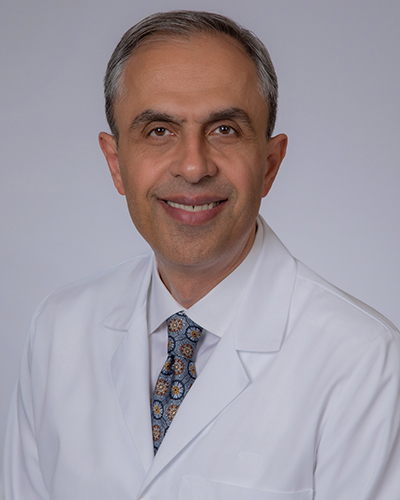
Dr. Cohen-Gadol is a leading neurosurgeon in Los Angeles, specializing in scoliosis and lordosis treatment. With years of experience in advanced spinal deformity correction, he combines technical precision with individualized patient care.
His expertise in minimally invasive spine surgery and complex reconstructions enables him to achieve outstanding outcomes with faster recovery times. Patients throughout southern California trust Dr. Cohen-Gadol for his dedication to excellence, compassionate care, and innovative approach to restoring spinal balance and function.
Frequently Asked Questions
Which country is best for scoliosis treatment?
Several countries offer advanced scoliosis care, including the United States, Germany, and Japan. However, Los Angeles is home to leading spine specialists such as Dr. Cohen-Gadol, who provide world-class scoliosis treatment using modern technology and personalized care.
What doctor is best for scoliosis?
A board-certified spine surgeon or neurosurgeon with experience in spinal deformities is best for scoliosis. Patients in California often turn to Dr. Cohen-Gadol for his expertise in scoliosis management and corrective surgery.
What is the best treatment for lordosis?
The best lordosis treatment depends on the severity and cause. Mild lordosis often improves with physical therapy and posture training, but severe lordosis might require surgical correction to restore spinal balance.
Can lordosis be corrected without surgery?
In many cases, yes. Nonsurgical lordosis treatment options such as targeted physical therapy, weight management, and bracing can effectively correct posture and reduce curvature.
Can physical therapy fix lordosis?
Physical therapy plays a central role in lordosis treatment. By strengthening the abdominal and back muscles, improving flexibility, and retraining posture, physical therapy can correct mild lordosis and can significantly reduce symptoms in moderate cases.
Key Takeaways
Living with a spinal curvature does not have to limit your quality of life. With specialized care for scoliosis and lordosis, you can regain mobility, alleviate pain, and restore natural spinal alignment. Under the expert care of Dr. Cohen-Gadol, you can receive advanced diagnostic evaluation, customized therapy, and cutting-edge surgical options designed to fit your individual needs.
If you are ready to move forward toward a healthier, more balanced spine, comprehensive scoliosis or lordosis treatment can help you stand taller, move more freely, and live without pain.