Spinal Neurosurgery: Comprehensive Guide to World-Class Care

- What is neuro spinal surgery?
- What’s the Difference Between a Neurosurgical Spine Surgeon and an Orthopedic Spine Surgeon?
- Where To Find a Neurosurgeon Specializing in Spinal Neurosurgery?
- Who Works With Spinal Neurosurgery Surgeons?
- What Is the Difference Between a Spine Specialist and a Neurosurgeon?
- Is Spine Neurosurgery a Subspecialty of Neurosurgery?
- Training and Education Requirements for Spine Neurosurgeons
- Consultation with Dr. Cohen-Gadol
- Frequently Asked Questions
- Key Takeaways
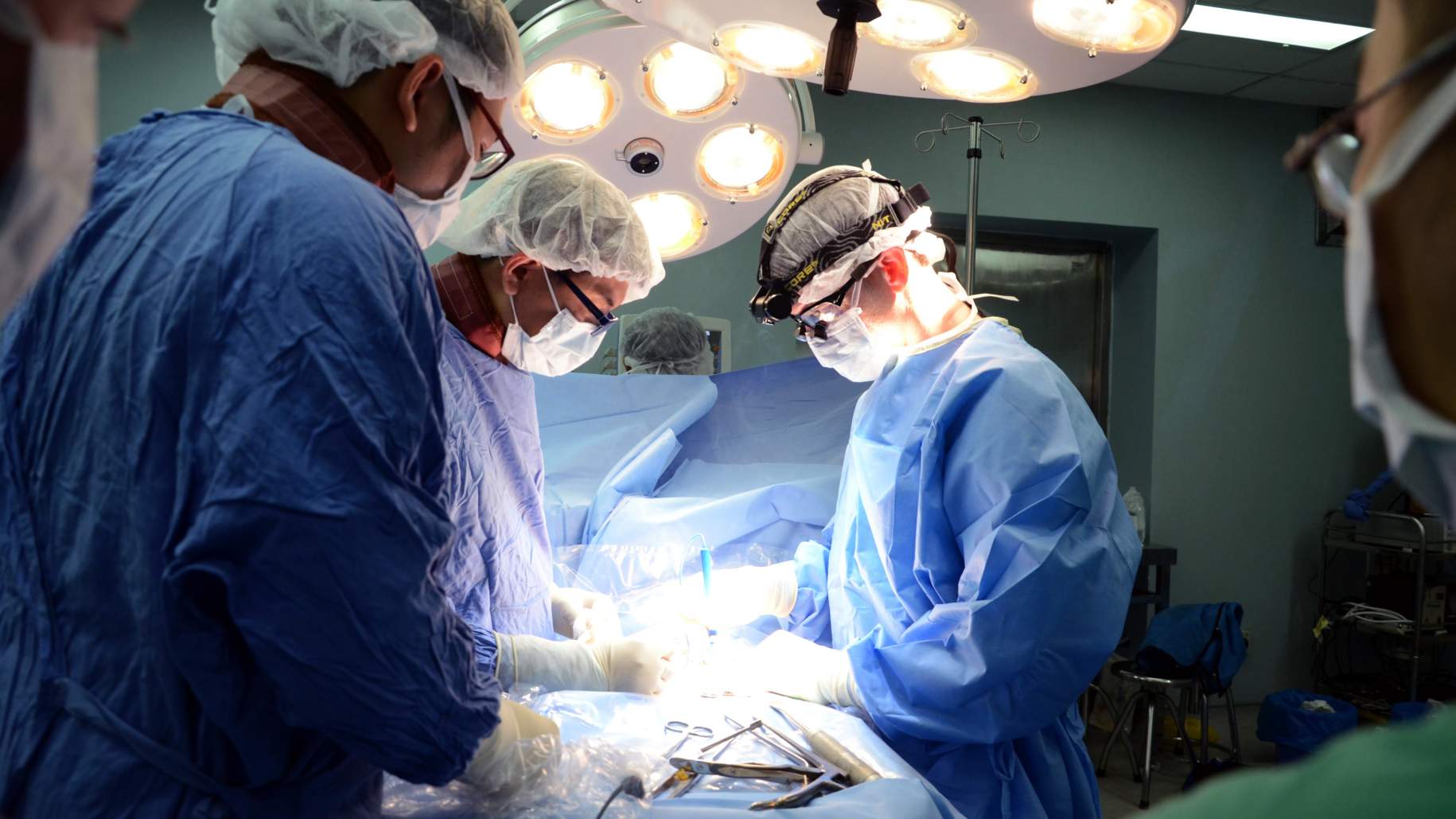
Spinal neurosurgery is a highly specialized field dedicated to treating complex disorders of the spinal column and nervous system. From minimally invasive discectomies to advanced spinal fusions, a neurosurgeon spine specialist uses precision techniques to treat herniated discs, stenosis, and trauma. If you’re navigating a new diagnosis, understanding the unique qualifications of a spinal neurosurgeon is the first step toward relieving pain and restoring mobility.
What is neuro spinal surgery?
Spinal neurosurgery is a specialized medical field that involves expert evaluation, diagnosis, and treatment of neurological conditions related to the spine and spinal cord. Unlike general spine care, a neurosurgeon back surgery specialist is trained specifically in the delicate interface between the skeletal structure and the nervous system.
Conditions Treated by Spinal Neurosurgeons
A neurosurgeon's spine surgery approach focuses on treating degenerative conditions, trauma, and complex tumors. These specialists address:
- Spinal stenosis
- Back pain
- Scoliosis and spinal deformities
- Herniated discs
- Degenerative disc disease
- Spinal fractures and trauma
- Tumors (of the bone and spinal cord, such as chordoma)
- Congenital malformations (e.g., spina bifida)
- Compression fractures
Degenerative spondylolisthesis
What’s the Difference Between a Neurosurgical Spine Surgeon and an Orthopedic Spine Surgeon?
Neurosurgeons and orthopedic surgeons treat many of the same diseases related to the structure and function of the spine. However, differences and limitations do exist.
A neurosurgeon spine specialist is uniquely qualified to handle delicate nerve-related issues, while an orthopedic surgeon often focuses on the structural stability of the joints.
|
Feature |
Neurosurgical Spine Surgeon |
Orthopedic Spine Surgeon |
|
Residency |
7 years |
5 years |
|
Core Focus |
Brain, spine, and nerves |
Bone and joint mechanics |
|
Spine Integration |
Core curricular component |
Often requires a 1-year fellowship |
|
Specialized Skill |
Nerve preservation & spinal cord tumors |
Biomechanics of the spine, deformities, and scoliosis. |
Why should you have your surgery with Dr. Cohen?
Dr. Cohen
- 7,500+ specialized surgeries performed by your chosen surgeon
- More personalized care
- Extensive experience = higher success rate and quicker recovery times
Major Health Centers
- No control over choosing the surgeon caring for you
- One-size-fits-all care
- Less specialization
For more reasons, please click here.
Where To Find a Neurosurgeon Specializing in Spinal Neurosurgery?
While any neurosurgeon is qualified to perform routine brain and spine surgeries, sometimes you’ll have to travel to find a spinal neurosurgery surgeon specializing in a particular disorder. A neurosurgeon spine specialist focusing on complex cases is often found in:
- Private Clinics. Many spine neurosurgeons have their own practice while operating at a nearby hospital
- Community Hospitals: Well-equipped facilities providing high-quality neurosurgical services
- Academic/Research Hospitals: Large university-affiliated centers with access to cutting-edge technology and clinical trials
Why Seek a Second Opinion?
Due to the complexity of spinal disorders, second opinions are highly encouraged, especially for patients who require extensive spinal surgeries, including fusions.
A private neurosurgeon back surgery provider often has the freedom to refer patients outside a single hospital network to ensure the best outcome.
Who Works With Spinal Neurosurgery Surgeons?
A neurosurgeon spine specialist leads a multidisciplinary team to ensure holistic recovery:
Neurologists: Key referral source and gatekeepers of patients who come to them for help with their symptoms. While they don't perform surgery, they are experts in the diagnosis of conditions affecting the nervous system (brain and spinal cord)
Radiologists: Radiologists are imaging experts and routinely identify pathology of the spine that may need consultation for neurosurgical intervention.
Oncologists: Given the unique role neurosurgeons play in treating tumors within the spine, tumor and cancer specialists work closely with neurosurgeons to diagnose and treat tumors
Pain management specialists: Specialists focusing on non-surgical comfort and painful conditions of the spine
Rehabilitation doctors: Specialists focusing on post-op recovery
What Is the Difference Between a Spine Specialist and a Neurosurgeon?
A spine specialist is a medical doctor dedicated to diagnosing and treating spinal disorders. This broad category includes both surgical and non-surgical providers, such as:
Surgical: Neurosurgeons and orthopedic surgeons.
Non-Surgical: Physiatrists, pain management anesthesiologists, chiropractors, and physical therapists.
When referring to a neurosurgeon spine surgery specialist in the context of surgical intervention, the term typically describes either an orthopedic surgeon or a neurosurgeon who has completed advanced fellowship training in spine surgery.
Is Spine Neurosurgery a Subspecialty of Neurosurgery?
Yes. Within the broader field, a neurosurgeon spine surgery specialist focuses specifically on the vertebral column and nervous system. This specialization allows for mastery of specific techniques in one specific area, which directly correlates with improved patient outcomes.
Training and Education Requirements for Spine Neurosurgeons
Becoming a neurosurgeon spine surgery expert requires a minimum of 15 years of higher education:
- Undergraduate degree (4 years)
- Medical school (4 years)
- Neurosurgery residency (7 years)
- Optional: 1-year fellowship to specialize further in advanced deformity (scoliosis) or minimally invasive techniques.
Surgical Philosophies: Open vs. Minimally Invasive
A neurosurgeon back surgery expert may use different approaches based on the patient's needs:
Open Spine Surgery: Traditional incisions with complete visualization for complex reconstructions
Minimally Invasive: Smaller incisions to reduce tissue disturbance, improve healing, and patient comfort. However, this may come at the cost of an increased length of operation in some cases
Awake Procedures: Patient is conscious. Local anesthetics are used to prevent pain while avoiding general anesthesia. Restricted to highly specialized institutions, and for specific patient groups and indications
Please note that every patient and every diagnosis should be carefully considered for each surgical philosophy, and one philosophy and treatment plan must not be applied to all patients. Therefore, your treatment plan should be individualized for the best outcomes.
Spinal Neurosurgery Recovery and Success Rate
Spinal neurosurgery is highly effective for restoring mobility, with success rates often exceeding 90% for specialized procedures. However, outcomes depend on the specific condition treated and the patient's commitment to rehabilitation.
Recovery Timeline
Phase 1 (0–4 Weeks): Focus on pain management and wound healing. Strict restrictions on lifting, bending, and twisting
Phase 2 (4–6 Weeks): Transition to light daily activities and initiation of early-stage rehabilitation
Phase 3 (2–3 Months): Intensive physical therapy begins to restore full strength and range of motion
Success Rate by Procedure
Cervical Discectomy (ACDF): 80–95% success rate for neck pain and radiculopathy
Lumbar Fusion: 70–90% success rate for instability and degenerative disc disease
Lumbar Decompression: 70–80% satisfaction at one year; 50–60% long-term relief (10+ years)
Minimally Invasive Spine Surgery (MISS): Over 90% success in pain relief with significantly lower complication rates
Revision Surgery: Success rates drop sharply with each subsequent operation (30% for a second surgery, 15% for a third), highlighting the importance of choosing a highly skilled neurosurgeon for the initial procedure
Consultation with Dr. Cohen-Gadol
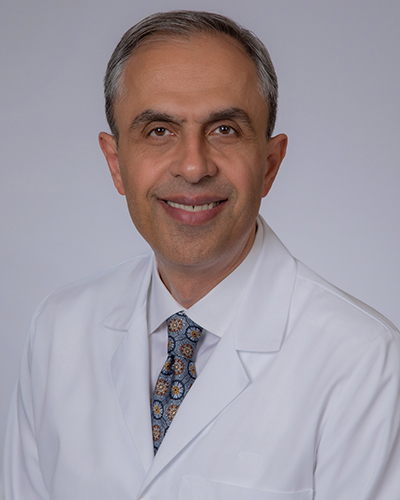
If you are facing a complex spinal diagnosis, your choice of surgeon is the single most important factor in your recovery. Dr. Cohen-Gadol offers world-class expertise, specializing in both minimally invasive and complex spinal reconstructions with over 7500+ successful complex procedures.
Top 3 Factors for a Successful Outcome
- Accurate Diagnosis: Outcomes are best when surgery addresses a specific, structural nerve compression
- Rehab Adherence: Strict following of physical therapy protocols is essential for long-term stability
- Surgeon Specialization: Neurosurgeons' advanced training in nerve preservation directly correlates with higher success and lower infection rates
Frequently Asked Questions
What are the red flags that indicate I need neurosurgery?
Immediately consult a neurosurgeon if you experience any of the following red flag symptoms:
- Sudden loss of bowel or bladder control
- Progressive weakness or foot drop
- Numbness in the groin and inner thighs
- Severe, radiating pain that prevents sleep or basic movement
Is it better to have a neurosurgeon or an orthopedic surgeon for back surgery?
Both are qualified, but a neurosurgeon is typically preferred for procedures involving the spinal cord or nerve roots. Because neurosurgeons spend their entire residency focused on the nervous system, they possess specialized expertise in intradural surgery (operating inside the nerve sac) and delicate nerve preservation.
Is spine surgery a last resort?
Yes. Most neurosurgeons recommend conservative treatments, such as physical therapy, injections, or medication for at least 6–12 weeks before considering surgery, unless there is evidence of progressive nerve damage or paralysis.
Key Takeaways
- Overall, neurosurgeons are well-trained spine surgeons. You can find them in private clinics, or large research hospitals. Top neurosurgeons for back surgery work closely with other healthcare professionals to treat a vast array of spinal conditions.
- If you ask any neurosurgical spine surgeon, they will say that learning never stops. They are constantly researching ways to hone their craft and improve the lives of their patients.