What to Expect During a CT Scan

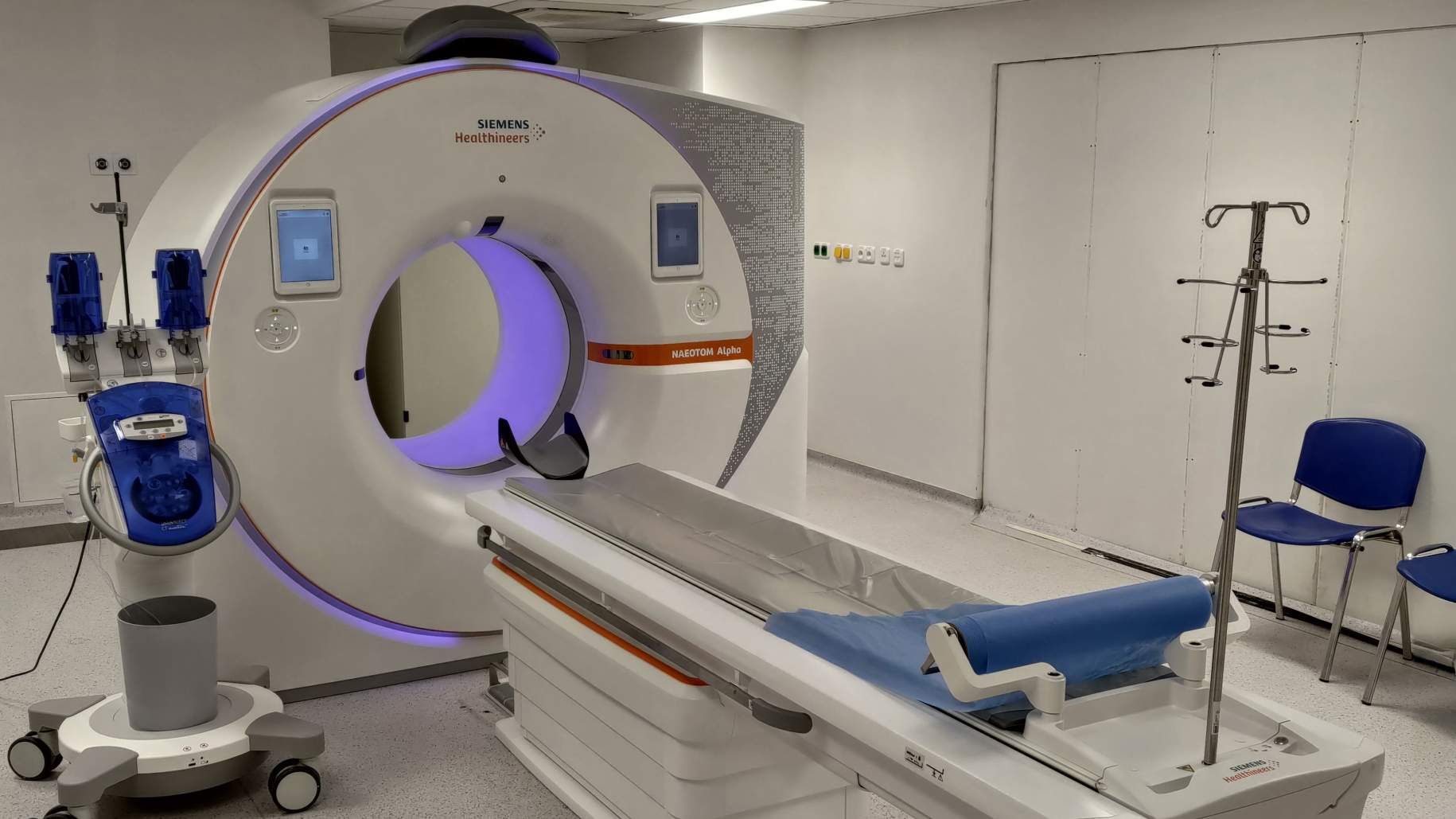
A computed tomography (CT) scan is a powerful diagnostic tool that helps doctors visualize the inside of your body. Unlike a standard X-ray, which produces a single 2D image, a CT scan provides a series of images that can be viewed from different angles.
Technicians utilize computer processing to create detailed cross-sectional pictures of your bones, blood vessels, and soft tissues. CT scans are particularly helpful for evaluating acute neurologic conditions like traumatic brain injuries, hemorrhages (bleeding in the brain and surrounding spaces), stroke, or guiding certain procedures.
Many patients feel nervous before having a CT scan, especially if it is their first imaging test. Understanding what happens during the procedure, how long it takes, and whether contrast dye will be used can help reduce anxiety and make the experience more comfortable. Most CT scans are quick, painless, and completed within 10 to 30 minutes.
Whether you're scheduled for a brain CT scan or a scan of another body part, knowing what to expect can help ease any anxiety you may have about the procedure. This guide will walk you through the process.
Before Your Appointment
When scheduling your CT scan, inform your doctor of any kidney issues or of any allergies, especially to iodine or contrast materials. If you're pregnant or think you might be, let your doctor know as they may recommend an alternative imaging method.
For most CT scans, you can eat and drink normally beforehand. However, for certain types of scans, particularly those of the abdomen or pelvis, you may be asked to fast for a few hours prior to the procedure.
On The Day of Your Appointment
- Wear comfortable, loose-fitting clothing
- Remove any metal objects, including jewelry, dentures, and eyeglasses
- Bring a list of your current medications
- Stay hydrated unless advised otherwise, as this can help if a contrast dye is used
- Arrive at the imaging center at least 15 minutes early to complete any necessary paperwork
Why should you have your surgery with Dr. Cohen?
Dr. Cohen
- 7,500+ specialized surgeries performed by your chosen surgeon
- More personalized care
- Extensive experience = higher success rate and quicker recovery times
Major Health Centers
- No control over choosing the surgeon caring for you
- One-size-fits-all care
- Less specialization
For more reasons, please click here.
Contrast Material
Some CT scans require the use of a contrast material to enhance image quality. This can be administered orally or intravenously depending on the area being scanned.
If you're receiving oral contrast, you'll likely be asked to drink it about an hour before the scan. For intravenous contrast, a small needle will be inserted into a vein in your arm just before the procedure.
During the Scan
The CT scan procedure itself is fairly straightforward, and typically takes 10 to 30 minutes. Here's what you can expect:
- You'll lie on a narrow table that slides into the center of the CT scanner, which looks like a large ring.
- The technologist will position you to ensure the area being scanned is in the center of the scanner. If you're having a brain CT scan, special attention will be paid to positioning your head correctly.
- You'll be asked to lie still during the scan. For some scans, you may need to hold your breath for short periods.
- The table will move slowly through the scanner as it takes images. You may hear whirring or buzzing noises.
- The technologist will monitor you from another room but will be able to see and hear you at all times.
How to Stay Calm During a CT Scan
It is normal to feel anxious before a CT scan, particularly if you are worried about the results or unfamiliar with medical imaging procedures. Fortunately, most CT scans are fast, painless, and noninvasive. Many patients find it helpful to practice slow breathing techniques, listen carefully to the technologist’s instructions, and remind themselves that the scan usually lasts only a few minutes. Unlike MRI machines, most CT scanners are relatively open and less likely to cause claustrophobia.
After Your CT Scan
While CT scans are generally safe, there are some potential CT scan side effects to be aware of:
- If you received contrast material, you might experience a warm sensation, metallic taste in your mouth, or a feeling like you've urinated.
- There's a small risk of developing a skin rash or itching.
- In rare cases, some people may have an allergic reaction to the contrast material.
CT Scan Risks
The main risk associated with CT scans is exposure to ionizing radiation, which can slightly increase the risk of developing cancer over a lifetime. While the amount of radiation from a single CT scan is generally considered safe, it's higher than that of a standard X-ray.
Additionally, the overall risk from a single scan is generally low. Your doctor will only recommend a CT scan when the benefits outweigh the potential risks.
When Should You Contact a Doctor After a CT Scan?
Patients should contact a doctor if they experience unusual symptoms after a CT scan, especially if contrast dye was used. Warning signs may include:
Difficulty breathing
Swelling of the face or throat
Severe rash or itching
Persistent nausea or vomiting
Dizziness or fainting
Pain, redness, or swelling near the injection site
Reduced urination in patients with kidney disease
Next Steps after Your CT Scan
Your doctor will review the results of your CT scan and discuss them with you at a follow-up appointment. Depending on the findings, they may recommend further tests or begin treatment.
While a CT scan is a powerful diagnostic tool, it's just one piece of the puzzle. Your doctor will consider your CT scan results along with your medical history, physical exam, and other tests to make an accurate diagnosis and develop an appropriate treatment plan.
Depending on the diagnosis following a CT scan of the head, you may need the expert opinion of a neurosurgeon.
Key Takeaways
- CT scans provide clear images to help diagnose medical conditions.
- Inform your doctor of any allergies, health issues, or pregnancy; some scans may require fasting.
- It’s painless, lasts 10-30 minutes, and requires you to stay still.
- Return to your routine, stay hydrated, especially if contrast was used; follow up with your doctor for results.