Living With Hemifacial Spasm

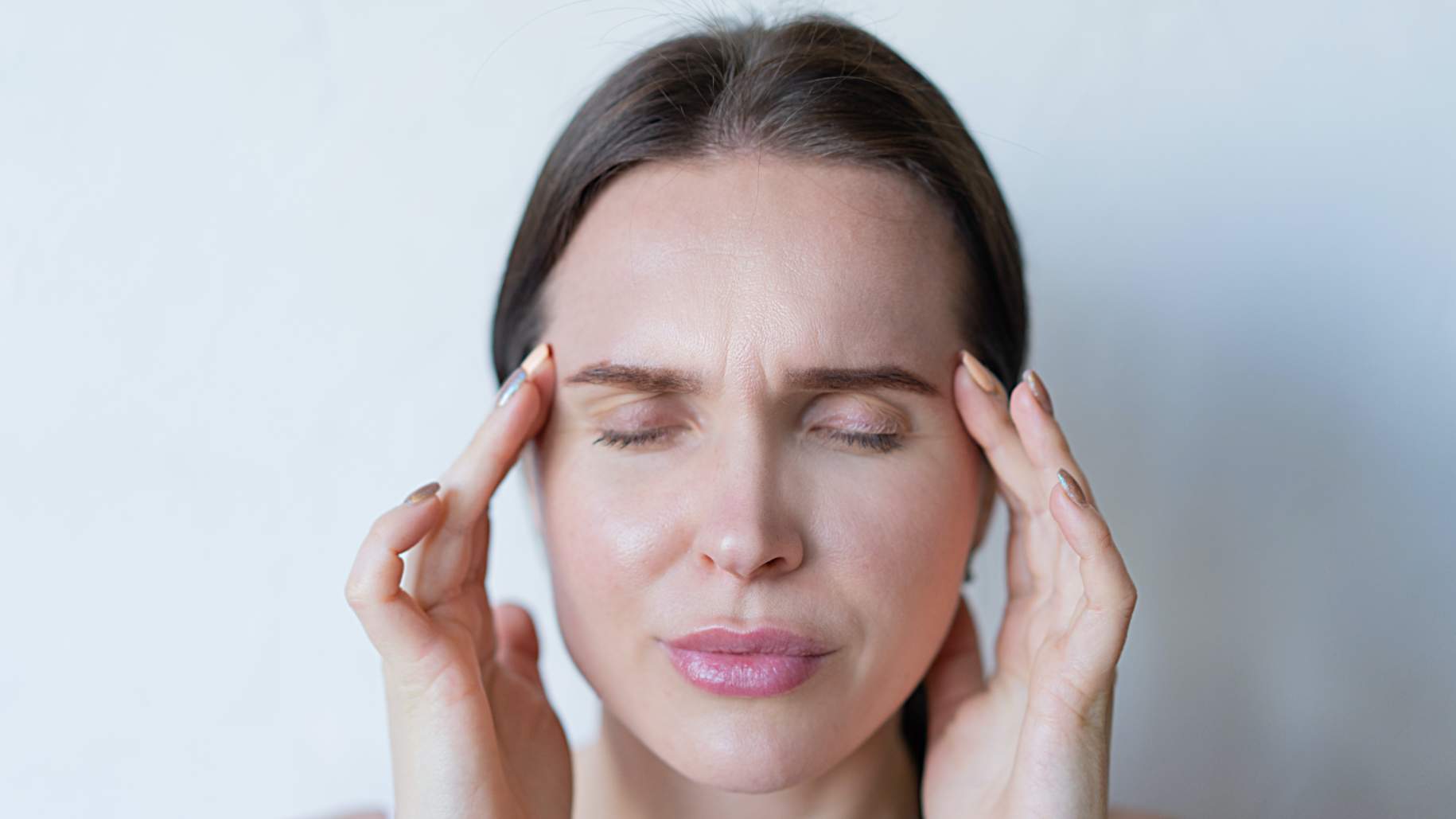
Living with hemifacial spasm (HFS) can be challenging. Hemifacial spasm can cause difficulty with facial expressions, speech, and eating, and may lead to a loss of self-esteem and confidence. Although not a life-threatening condition, hemifacial spasms can be distressing and negatively affect your quality of life.
Fortunately, treatment options are available to help relieve symptoms and improve your quality of life. Depending on the severity of symptoms, some people choose to simply live with the condition and make lifestyle adjustments while others pursue a lasting cure with surgery. In this article, we answer common questions about living with hemifacial spasm.
Treatment Options for Hemifacial Spasm
Although some cases of hemifacial spasm come and go, hemifacial spasms can last for a lifetime without treatment. Treatment options for hemifacial spasm include onabotulinumtoxinA (Botox, Allergan Aesthetics, Irvine, CA), anti-convulsant and muscle relaxant medications, and surgery. Surgery is the only treatment option that can potentially provide a lasting cure for this condition. Because of the risks and costs associated with surgery, some individuals may want to try other treatment options first, however, surgery in experienced hands is relatively low risk. Common treatments include:
- Botox: Botox injections can be used to manage your symptoms by temporarily relaxing facial muscles and reducing the frequency and severity of spasms. The medication is injected directly into the affected muscles every 3 or 4 months.
- Medications: Prescriptions drugs such as carbamazepine, clonazepam, baclofen, and gabapentin are used to treat hemifacial spasm. These medications work in different ways, but all can reduce muscle spasms and somewhat relieve symptoms.
- Surgery: Microvascular decompression surgery is commonly used for treating hemifacial spasm by relieving the pressure on the facial nerve that causes the spasms. Surgery can provide a lasting cure for hemifacial spasms for more than 85% of patients.
Does Hemifacial Spasm Worsen Over Time?
Cases of hemifacial spasm do not always worsen over time. In fact, some people may notice that their spasms come and go with a decrease in frequency or even disappearance of spasms after several months or years, only to return later. Exactly when this might happen is unpredictable. But in most cases, the spasms gradually become more frequent and involve more parts of the face.
The muscles around the eye are often affected first. These contractions can then spread downward to affect other muscles on that side of the face. In its most severe form, hemifacial spasms frequently contract all muscles of the face on the same side and at the same time. This can pull at the corners of the eye and mouth and cause a contorted facial expression resembling a grimace. There are several possible reasons for why hemifacial spasms can get worse with time:
- Progression of the condition causing the spasm (e.g., nerve damage, brain tumor).
- Weakening of facial nerve fibers and muscles.
- Aging and related degenerative changes.
- Chronic stress and tension that can trigger spasms.
These factors can make treatment more difficult down the road. Consult with a neurologist to see a neurosurgeon early on to discuss surgical management of your condition and monitor your symptoms.
Why should you have your surgery with Dr. Cohen?
Dr. Cohen
- 7,500+ specialized surgeries performed by your chosen surgeon
- More personalized care
- Extensive experience = higher success rate and quicker recovery times
Major Health Centers
- No control over choosing the surgeon caring for you
- One-size-fits-all care
- Less specialization
For more reasons, please click here.
Can I Live with Hemifacial Spasm?
Yes, you can live with hemifacial spasm. Although the symptoms can be challenging to manage, the condition is not life-threatening. Patients also rarely find that the spasms resolve on their own. But even if the facial spasms persist, you can continue to live a full and rewarding life.These are simple steps helping people living with hemifacial spasms and you can take to improve your symptoms and quality of life:
- Manage stress: Practice stress management techniques such as deep breathing, exercise, or mindfulness to reduce muscle tension that can trigger spasms.
- Avoid triggers: Identify and avoid triggers that worsen the symptoms, such as fatigue, stress, and bright lights.
- Stay active: Engage in regular physical activity to reduce stress and improve overall health and well-being.
- Be positive: Maintain a positive outlook and focus on the things that bring joy and fulfillment to your life.
- Connect with support: Seek support from family and friends and consider joining a support group for individuals with hemifacial spasm.

How long can hemifacial spasms last?
Hemifacial spasms can last for many years if left untreated, and in some cases, they may persist for a lifetime. The condition often begins with mild twitching around one eye and gradually progresses to involve other muscles on the same side of the face. While the frequency and intensity of spasms can vary, they typically do not resolve on their own. Some people experience periods of improvement, but symptoms usually return. Effective treatments such as botulinum toxin injections, medication, or, in severe cases, surgery, can significantly reduce or even stop the spasms, improving facial comfort and overall quality of life.
Additional Support for People Living with Hemifacial Spasm
For some rare patients, hemifacial spasm can unfortunately be a permanent condition even with treatment. Support from your friends and family can help you to cope with the ups and downs of living with hemifacial spasm. Family members and friends can offer support in several ways:
- Understanding: Learning about hemifacial spasm and its symptoms, so they can better understand your condition and empathize with your experience.
- Emotional support: Offering you emotional support, as the condition can be emotionally stressful at times.
- Practical assistance: Offering practical assistance with daily activities you may have trouble with, such as driving.
- Accompanying to appointments: Accompanying you to doctor’s appointments and helping to understand the treatment options available.
- Help with medication: Helping you to manage medications and make sure you keep to your treatment schedule.
- Encouragement: Encouraging you to stay positive and lifting your spirits when times are rough.
- Help you to maintain social activities: Making sure you stay active socially because this helps sustain a good quality of life.
It is important to remember that everyone is different, and you may have specific needs and preferences for support. Let people close to you know what you need and how they can best help.
FAQs
Can hemifacial spasms be cured completely?
Yes, hemifacial spasms can be cured completely, primarily through microvascular decompression surgery, which has a success rate of over 90%. Other options like Botox injections and medications only manage symptoms rather than provide a permanent cure.
How rare is hemifacial spasm?
Hemifacial spasm is a rare neuromuscular disorder. It affects only about 8 to 11 people per 100,000. It most frequently develops in middle-aged and older adults and is roughly twice as common in women as in men.
How can I get rid of face twitching?
To stop face twitching, try simple home habits like getting more rest, lowering stress, and drinking less caffeine. If the twitching does not go away, medical options include muscle relaxants, Botox injections, or surgery.
Key Takeaways
- Although the symptoms of hemifacial spasm can be challenging to manage, the condition is not life-threatening.
- Without surgery, hemifacial spasm can be a permanent condition.
- A combination of treatment options can help to relieve symptoms and improve your quality of life.
- Avoiding fatigue and managing anxiety and stress are important because they can make your symptoms worse.
- Emotional support from friends and family can help you maintain a full and rewarding life.