Overview of Types of Meningiomas

Meningiomas are the most common type of primary brain tumor, originating from the protective covering of the brain called the meninges. Following a diagnosis of meningioma, patients and their caregivers often have questions about what a meningioma is and what this diagnosis means for their future.
In this series of articles, we will describe how meningiomas are classified based on their size, location, and cellular characteristics. In addition, we will discuss how these qualities impact treatment decisions and prognosis. In this introductory section we summarize these articles and encourage you to visit the links within for more information.

What Are the Different Types of Meningiomas?
Meningiomas are classified into different types based on size, location, and cellular features observed under the microscope (i.e. pathological grade). Some meningioma types have intuitive names (for example, a “small meningioma” is typically less than 3 cm), while others may require more specialized knowledge about anatomy for them to make sense. For example, an olfactory groove meningioma develops near the location where the olfactory nerve runs to direct information about smell from the nose to the brain.
The size of a meningioma and if it is causing swelling in the brain can influence whether treatment is necessary. Larger meningiomas are more likely to compress nearby structures and cause symptoms than smaller meningiomas. Small meningiomas often do not cause symptoms and are instead discovered incidentally when brain imaging was performed for an unrelated reason. In these instances, small and asymptomatic meningiomas may not require immediate treatment since most meningiomas are considered benign and not cancerous. Meningioma types based on size include:
- Small: Typically less than 3 centimeters in diameter.
- Large: Larger than 3 centimeters in diameter.
- Giant: Typically larger than 5 centimeters in diameter.
The location of a meningioma impacts what treatments may be offered. While the initial treatment option for a meningioma is often surgery, some meningiomas may be located deep in the brain and adhere to particularly critical and sensitive structures that make it difficult to safely remove. In these instances, alternative options such as observation with follow-up imaging in 6 months or targeted radiation therapy may be recommended. Several common meningioma types based on location include:
- Parasagittal: Located besides or alongside of (“para”) the sagittal or midline plane which divides your brain into left and right halves.
- Convexity: Located along the curved (“convex”) “side” surfaces of the brain.
- Sphenoid wing: Located on the edge of the sphenoid bone.
- Olfactory groove: Located near the olfactory nerves that supply information about smell from the nose to the brain.
- Suprasellar: Located near the optic nerves that transmit information about vision from the eyes to the brain.
- Posterior fossa: Located near the back of the head and bottom of the skull by the brainstem and cerebellum.
Figure 1. Meningiomas are categorized according to their usual locations.
Although size and location provide important information about the accessibility of the tumor for surgery, patients are more understandably concerned about how aggressive the tumor is and what that means for their long-term survival. This is conveyed in the World Health Organization (WHO) classification discussed below.
Why should you have your surgery with Dr. Cohen?
Dr. Cohen
- 7,500+ specialized surgeries performed by your chosen surgeon
- More personalized care
- Extensive experience = higher success rate and quicker recovery times
Major Health Centers
- No control over choosing the surgeon caring for you
- One-size-fits-all care
- Less specialization
For more reasons, please click here.
How Are Meningiomas Classified?
The World Health Organization (WHO) has created a grading system to describe the cellular characteristics of tumor cells when viewed under a microscope. This system assigns meningiomas as WHO Grades I, II, or III, which is a spectrum from least to most aggressive. Tumors with higher grades are more aggressive and carry worse prognoses.
WHO Grade I meningiomas are the least aggressive and most common type of meningioma. They tend to grow slowly and are unlikely to invade adjacent tissues or spread to other parts of the brain. In addition, and most importantly, they are the least likely to recur after treatment. Because of these qualities, Grade I meningiomas are considered benign and have the most favorable prognosis.
WHO Grade III meningiomas are the least common, but most aggressive type of meningioma. They are the most likely to invade nearby tissue and spread to other locations in the body. Additionally, they have the highest likelihood to recur following treatment. Because of these unfortunate features, Grade III meningiomas are considered malignant and have the worst prognosis. WHO Grade II meningiomas are considered atypical. Their invasiveness, likelihood to spread, and the chance that they recur is somewhere between the Grade I and Grade III classifications.
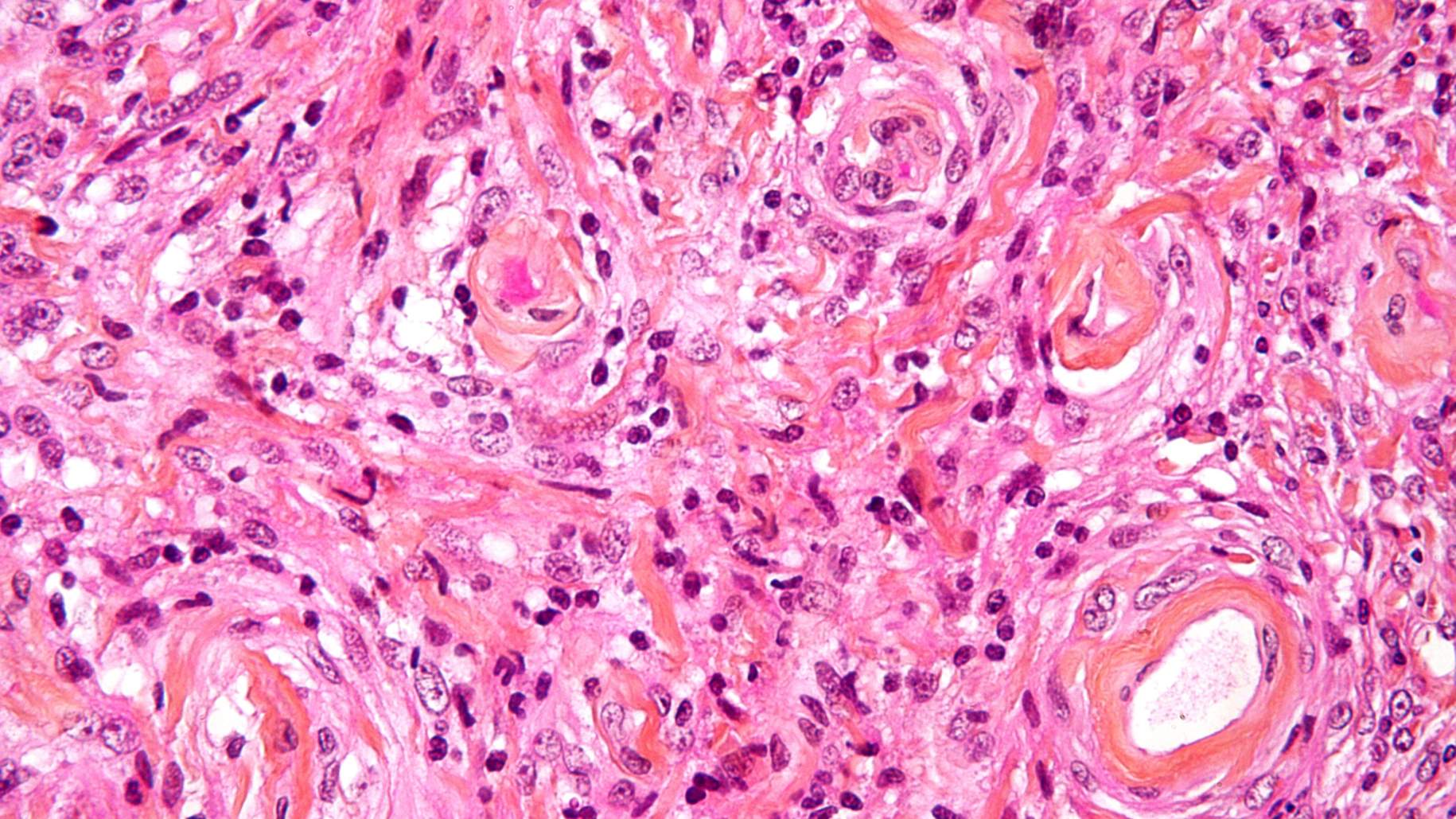
Figure 2. An example of grade I meningioma under the microscope.
Conclusions
Meningiomas may be classified based on their size, location, and cellular features. These characteristics are important for making treatment decisions and predicting prognosis.
Key Takeaways
- The size of a meningioma and presence of symptoms determine if treatment is necessary. Larger meningiomas often require treatment while smaller tumors that are discovered incidentally may not.
- Meningiomas are assigned a grade based on their cellular characteristics. This grading system determines how aggressive a tumor is and predicts patient outcomes.