Overview of Surviving With Meningioma

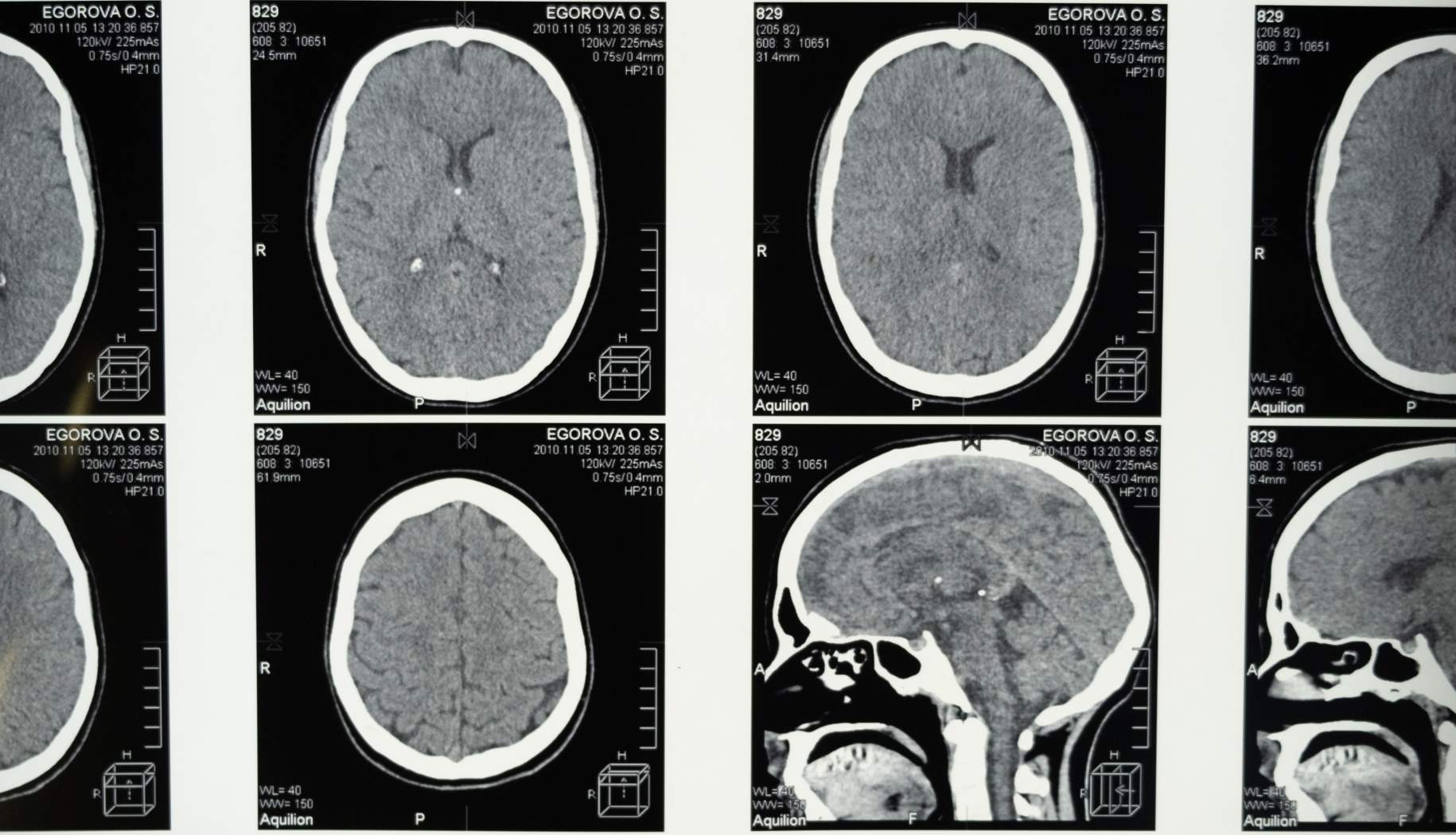
Patients often have questions about what the future will hold following a diagnosis of meningioma. In this series of articles, we describe the recovery outlook and what life may look like after diagnosis. But first, we will provide an overview of these topics and encourage you to visit the links within to learn more.
Recovery Outlook
Although a diagnosis of meningioma can be scary, the prognosis is usually excellent. Most meningiomas are benign tumors that can be curatively removed with current treatment options. However, when determining life expectancy, it is important to consider many individual factors including the tumor grade, tumor location, as well as the age and health status of the patient.
The World Health Organization (WHO) grades meningioma tumors on a scale from I to III. This grading system describes tumor invasion and provides an indicator of the level of tumor aggressiveness or malignancy. Recent survival data suggest that Grade I meningiomas have a 5-year survival rate of approximately 95–97%, while Grade II meningiomas have survival rates ranging between 80–90% depending on treatment response and recurrence risk. Grade III meningiomas remain more aggressive, with reported 5-year survival rates ranging from approximately 45–65%. Individual prognosis can vary significantly depending on age, tumor location, extent of surgical removal, and response to radiation therapy.
Other considerations for prognosis include the location of the tumor which may impact treatment decisions. The primary treatment for meningioma is complete surgical removal. However, in some instances the tumor may be in an area that makes it difficult or unsafe to remove completely. Residual tumor is associated with a higher rate of recurrence and overall worse prognosis. However, other treatment options such as radiotherapy may be used in addition to surgery to prevent a regrowth of the residual tumor.
Living With Meningioma
The outlook for patients with a meningioma can be unclear and intimidating but is often positive. While prognosis depends on several individual factors, outcomes are generally good.
The primary treatment method for meningioma is surgical removal. Since meningiomas cause symptoms by exerting pressure on the brain, complete removal of the tumor has the potential to eliminate any symptoms you are experiencing. However, surgery does not come without risk. Possible side-effects include difficulty speaking, impaired vision, memory problems, and loss of coordination. Oftentimes these symptoms are temporary. When planning for surgical treatment, it is important to discuss any questions or concerns you have with your surgeon.
Why should you have your surgery with Dr. Cohen?
Dr. Cohen
- 7,500+ specialized surgeries performed by your chosen surgeon
- More personalized care
- Extensive experience = higher success rate and quicker recovery times
Major Health Centers
- No control over choosing the surgeon caring for you
- One-size-fits-all care
- Less specialization
For more reasons, please click here.
Factors That Affect Meningioma Survival
Several factors can affect survival outcomes for patients with meningioma. One of the most important is the tumor grade, as benign Grade I meningiomas generally have better survival rates than atypical Grade II or malignant Grade III tumors.
Tumor location also plays a major role, since tumors near critical brain structures can be more difficult to remove safely.
The extent of tumor removal during surgery can significantly influence prognosis, with complete removal often leading to better long-term outcomes and lower recurrence risk.
In addition, a patient’s age, overall health, and response to treatment may impact recovery and survival.
Regular follow-up care is also important because some meningiomas can recur, especially higher-grade tumors. Early diagnosis, proper treatment, and ongoing monitoring can help improve long-term survival and quality of life.
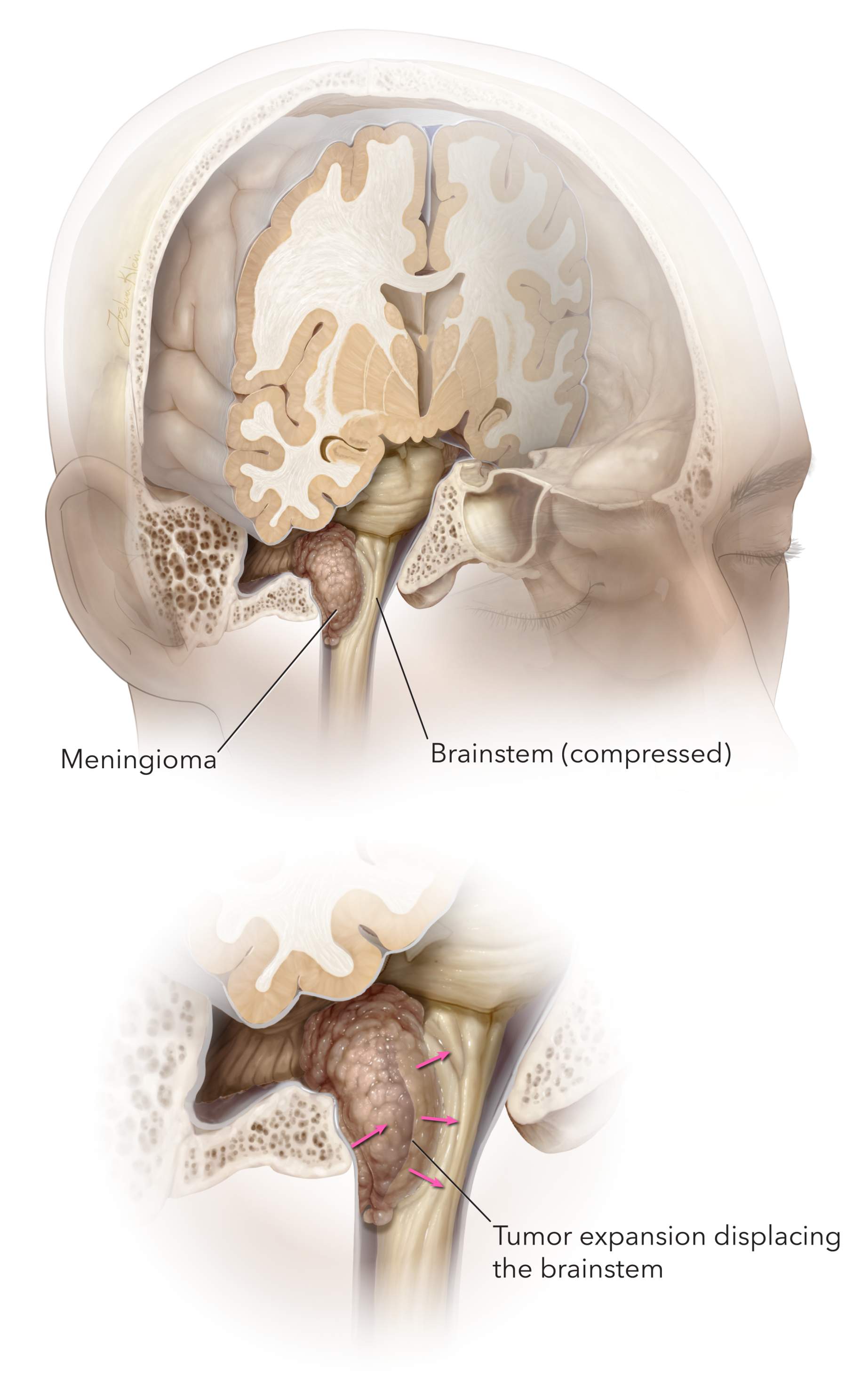
Figure 1. This illustration demonstrates a meningioma compressing the brainstem. An attempt at complete surgical removal is the best course of treatment.
With complete surgical removal, the rate of tumor recurrence is low. However, some tumors may be located near vital nervous system structures that make safe, complete removal impossible. Unfortunately, the presence of residual tumor raises the rate of recurrence. To combat this, residual tumor may be treated with radiation therapy.
In some instances, treatment of meningiomas may not be necessary. A watchful waiting approach may be adopted if the meningioma is discovered incidentally. This can happen if the tumor is small and does not cause any symptoms. This approach may be adopted to avoid potentially unnecessary invasive surgical treatment. Watchful waiting involves frequent imaging so that any changes in the tumor can be detected early on. Since the majority of meningiomas are benign, they may never progress to the point of requiring treatment. If changes in the tumor are detected or symptoms develop, surgical intervention is indicated.
When Should You Contact a Doctor?
Patients diagnosed with a meningioma should contact a doctor if they notice any new or worsening symptoms, as these changes may indicate tumor growth, recurrence, or increased pressure on the brain. Early medical evaluation can help prevent complications and ensure timely treatment when necessary.
You should seek medical attention if you experience:
Persistent or worsening headaches, especially if they become more frequent or severe over time
Seizures or sudden episodes of confusion, loss of awareness, or unusual body movements
Memory problems, difficulty concentrating, or noticeable cognitive changes
Vision changes such as blurred vision, double vision, or partial vision loss
Balance problems, dizziness, or difficulty walking
Weakness or numbness in the arms, legs, or face
Speech difficulties or trouble understanding conversations
Hearing changes or ringing in the ears
Personality or mood changes that are unusual or progressively worsening
Nausea or vomiting that occurs without a clear explanation
Any new neurological symptoms that interfere with daily activities
Patients who have already undergone treatment for meningioma should also continue attending regular follow-up appointments and imaging scans, as monitoring plays an important role in detecting recurrence or treatment-related complications early.
Conclusion
Receiving a diagnosis of meningioma can be intimidating and leaves people with many questions about their future. Prognosis is often positive but is dependent on several individual factors. It is important to discuss any questions or concerns you have with your care team.
Key Takeaways
- The prognosis for meningiomas is often positive but is dependent on several individual characteristics including the tumor grade, location, and the age and health of the patient at diagnosis.
- The primary treatment for meningioma is surgical removal. Complete removal has low rates of recurrence but may not be possible in some cases.
- Some meningiomas may not need treatment and instead can be observed for growth and symptom development.