Open Brain Surgery Versus Minimally Invasive Surgery: What Is the Difference?

- What Is Open Brain Surgery?
- What Is Minimally Invasive Brain Surgery?
- How Are Open Brain and Minimally Invasive Surgeries Performed?
- What Conditions Require Open Brain Surgery?
- What Conditions Can Minimally Invasive Brain Surgery Treat?
- Is Minimally Invasive Brain Surgery Safer Than Traditional Open Brain Surgery?
- Benefits of Minimally Invasive Brain Surgery
- Risks and Limitations of Open Brain Surgery
- Open Brain Surgery Versus Minimally Invasive Surgery
- Who Is a Candidate for Open Brain Surgery?
- Who Is a Candidate for Minimally Invasive Brain Surgery?
- How to Choose Between Open and Minimally Invasive Options
- Who Is the Best Neurosurgeon for Brain Surgery Procedures?
- Frequently Asked Questions
- What is the easiest brain surgery?
- Key Takeaways
- Getting There

When facing a neurological condition that requires surgical treatment, patients are often introduced to two primary approaches: traditional open brain surgery and minimally invasive surgery. Understanding open brain surgery versus minimally invasive surgery is essential for making informed decisions about your care.
Advances in neurosurgery have transformed how procedures are performed, offering patients safer options and faster recovery in many cases. However, both approaches remain critical in modern medicine, and each has specific advantages depending on the condition being treated.
This guide provides an in-depth exploration of open brain surgery versus minimally invasive surgery to help patients and families understand what to expect and how to choose the most appropriate path.
What Is Open Brain Surgery?
Open brain surgery, also known as craniotomy, is a traditional surgical procedure in which a neurosurgeon removes a portion of the skull to access the brain directly.
This approach enables surgeons to:
- See large or complex areas of the brain
- Remove tumors or lesions completely
- Control bleeding or swelling
- Perform delicate repairs on blood vessels or neural structures
Open brain surgery has been the gold standard for decades and remains essential for treating many serious or complex neurological conditions.
Despite their effectiveness, open procedures typically involve:
- Larger incisions
- Greater disruption of surrounding tissues
- Longer hospital stays
- Extended recovery periods
Still, it is often the safest and most effective option when full access to the brain is required.
What Is Minimally Invasive Brain Surgery?
Minimally invasive brain surgery refers to advanced techniques that enable neurosurgeons to operate through a small incision or natural opening, often using specialized instruments and imaging technology.
Common methods include:
- Endoscopic surgery, using a camera-guided tube
- Keyhole craniotomy
- Laser ablation
- Image-guided or robotic-assisted surgery
Minimally invasive approaches aim to:
- Reduce physical trauma
- Preserve healthy brain tissue
- Decrease postoperative pain
- Shorten recovery time
These procedures are used increasingly for a variety of conditions, although not all patients are candidates.
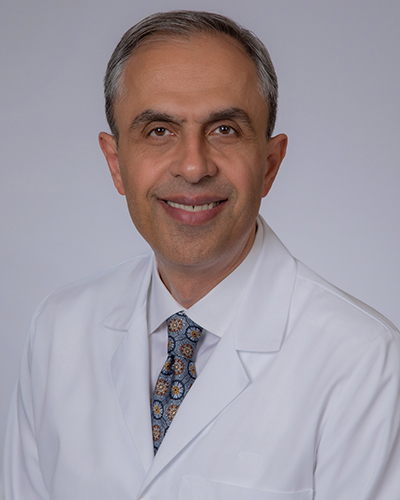
Why should you have your surgery with Dr. Cohen?
Dr. Cohen
- 7,500+ specialized surgeries performed by your chosen surgeon
- More personalized care
- Extensive experience = higher success rate and quicker recovery times
Major Health Centers
- No control over choosing the surgeon caring for you
- One-size-fits-all care
- Less specialization
For more reasons, please click here.
How Are Open Brain and Minimally Invasive Surgeries Performed?
The technical differences between these approaches are significant and directly affect patient experiences. Special expertise is required for the neurosurgeon to perform minimally invasive procedures effectively.
Open Brain Surgery Procedures
Open brain surgery generally involves the following steps:
- The patient is placed under general anesthesia, or remains awake in specific cases.
- The surgeon cuts into a section of the scalp.
- A portion of the skull is removed temporarily.
- The surgeon operates directly on the brain.
- The removed piece of skull is replaced and secured.
- The scalp is sutured back in place.
This method provides the surgeon with maximum visibility and access, which is why it is still widely used.
Minimally Invasive Brain Surgery Procedures
In contrast, minimally invasive surgery generally involves these steps:
- The brain is accessed through a small incision or natural pathway, such as the nasal cavity.
- A camera or endoscope is used to guide the surgeon.
- The surgeon uses specialized instruments to operate with precision.
- Real-time imaging is used to enhance accuracy.
In the discussion of open brain surgery versus minimally invasive surgery, the key distinction lies in access; open surgery provides full brain exposure, while minimally invasive surgery provides more targeted entry.
What Conditions Require Open Brain Surgery?
Open brain surgery is needed because of the size of the lesion or tumor being treated, or for certain neurological conditions, because of their complexity.
Conditions that necessitate open surgery include the following:
- Large brain tumor
- Deep-seated or widespread tumor
- Traumatic brain injury
- Brain swelling that requires decompression
- Complex vascular abnormality
- Certain types of hemorrhagic stroke
Open surgery is often preferred when:
- Complete removal of a tumor is critical
- There is significant bleeding
- The anatomy is too complex for limited access
What Conditions Can Minimally Invasive Brain Surgery Treat?
Minimally invasive techniques are ideal for conditions that can be treated with targeted precision.
Common examples include the following:
- Small- to medium-sized tumor
- Pituitary tumor, often accessed through the nose
- Epilepsy, involving focal seizure areas
- Brain cyst
- Hydrocephalus
These approaches are preferred when the condition is localized and accessible without extensive exposure.
Is Minimally Invasive Brain Surgery Safer Than Traditional Open Brain Surgery?
Safety depends on multiple factors, including the patient’s condition, the surgeon’s expertise, and the complexity of the procedure.
Open brain surgery can offer:
- Greater surgical control
- Better outcomes for complex conditions
- More complete removal of certain tumors
Minimally invasive surgery can offer:
- Lower infection risk
- Reduced blood loss
- Shorter hospital stay
- Faster recovery
It is not accurate to say that one approach is universally safer. Instead, safety depends on choosing the right method for the specific surgical situation.
Benefits of Minimally Invasive Brain Surgery
Minimally invasive approaches have gained popularity because they can provide several patient-centered benefits.
- Smaller incisions and less scarring
- Reduced pain after surgery
- Shorter hospital stays
- Faster return to daily activities
- Lower risk of complications, in suitable cases
These benefits can improve the patient’s quality of life significantly during recovery.
Risks and Limitations of Open Brain Surgery
Although highly effective, there are certain risks with open brain surgery; potential drawbacks include the following:
- Increased risk of infection
- Greater blood loss
- Longer recovery time
- Higher physical stress on the body
However, these risks are often justified when open access is needed to treat serious conditions effectively.
Open Brain Surgery Versus Minimally Invasive Surgery
How long it takes to recover from brain surgery is a major factor for patients, and recovery time is one of the most noticeable differences between these two approaches.
Open Brain Surgery Recovery
- Hospital stay: several days to weeks
- Full recovery: weeks to months
- Rehabilitation often required
Minimally Invasive Surgery Recovery
- Hospital stay: 1–3 days in many cases
- Full recovery: days to weeks
- Faster return to normal activities
Who Is a Candidate for Open Brain Surgery?
Open brain surgery is recommended for patients with:
- A large or complex tumor
- An emergency condition, such as trauma or bleeding
- A condition that requires full visualization of the part of the brain being treated
- Anatomical challenges that limit minimally invasive access
The use of open procedures remains essential for life-saving interventions.
Who Is a Candidate for Minimally Invasive Brain Surgery?
Not every patient qualifies for a minimally invasive procedure.
Ideal candidates typically have:
- A small, localized condition or tumor in an accessible location
- Good overall health
- No widespread brain involvement
Eligibility depends heavily on the results of imaging studies and surgical evaluation.
How to Choose Between Open and Minimally Invasive Options
Choosing between open and minimally invasive approaches requires careful consideration and expert guidance.
Patients should evaluate:
- Diagnosis and severity
- Risks and benefits of each option
- Surgeon experience
- Available technology
- Personal health status
The choice of surgical approach is rarely about preference alone; most importantly, it is about what is medically appropriate. Consulting with another surgeon for a second opinion can also provide clarity and confidence in your final decision.
Who Is the Best Neurosurgeon for Brain Surgery Procedures?
There is no single “best” neurosurgeon in all cases. The most appropriate specialist is one with:
- Extensive experience in the required procedure
- Training in both open and minimally invasive techniques
- A strong track record of successful outcomes
- Clear communication and patient-focused care
Choosing a neurosurgeon who can offer both types of surgery ensures a balanced and personalized treatment plan that is most appropriate for you.
Frequently Asked Questions
Which is the riskiest brain surgery?
Do you feel pain during open brain surgery?
Patients do not feel pain during open brain surgery because anesthesia is used. In some cases, patients can be awake during certain parts of the procedure (awake craniotomy), but the brain itself does not process pain, and measures are taken to ensure the patient’s comfort.
Why can't you drive after brain surgery?
Driving is restricted after brain surgery because of potential risks such as seizures, impaired coordination, slowed reaction times, and visual disturbances. Doctors typically recommend waiting until it is medically safe and legally permitted.
What is the easiest brain surgery?
There is no “easy” brain surgery. However, some minimally invasive procedures are less complex and result in shorter recovery times than major open surgeries. Complexity depends on the condition, location in the brain, and overall patient health.
Key Takeaways
Understanding the difference between open brain surgery and minimally invasive surgery is essential for anyone facing a neurological procedure. Both approaches play a vital role in modern medicine, and neither is universally better than the other.
Minimally invasive techniques generally result in faster recovery and reduced physical impact, whereas open brain surgery provides unmatched access for complex and life-threatening conditions.
The key is selecting the right approach based on medical need and working with an experienced neurosurgeon who can guide you through the decision-making process. By understanding the differences between open and minimally invasive brain surgery, patients can approach their treatment with greater confidence and clarity.
Getting There
The clinic is located at Cedars Towers East which is at 8631 W 3rd Street, Suite 815E, Los Angeles, CA 90048, near Beverly Grove. It’s easily accessible from San Vicente Boulevard or La Cienega Boulevard. Paid parking is available in the adjacent structure and limited street parking can be found nearby. For navigation, entering “8631 W 3rd St” into the GPS will direct you to the main entrance.
The entrance to the Cedars Towers East parking garage is on Sherbourne Drive, located just north of 3rd Street. It is a self-parking garage with the address 217 S Sherbourne Dr, Los Angeles, CA. The entrance is on the right if you are traveling south on Sherbourne, or on the left if you are traveling north on Sherbourne. You then need to take the parking elevators to the plaza level and then cross the short bridge to use the East elevators to reach the 8th floor (suite 815.) Allow extra time for traffic and parking, especially during weekday mornings.