Radiation Therapy Side Effects: What to Expect

- Early Radiation Therapy Side Effects
- Late Radiation Therapy Side Effects
- Common Side Effects of Radiation Therapy (General)
- Side Effects Based on the Treatment Area
- How Long Do Radiation Therapy Side Effects Last?
- How to Manage Radiation Therapy Side Effects
- When Should You Contact Your Doctor?
- Can Radiation Therapy Side Effects Be Prevented?
- What should I know before radiation?
- Frequently Asked Questions
- Conclusions

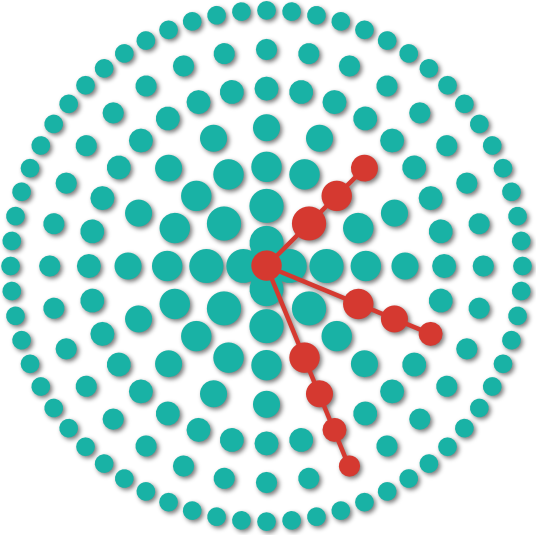
Radiation therapy is an important treatment for many types of cancer. It uses high doses of radiation to damage cancer cells and slow or stop their growth. Because radiation can also affect nearby healthy cells, patients can experience radiation therapy side effects during or after treatment.
Early Radiation Therapy Side Effects
The side effects of radiation therapy vary considerably from one person to another. They depend on the part of the body being treated, the radiation dose, the size of the treatment area, the type of radiation therapy, and whether radiation is being combined with chemotherapy or other treatments.
Some side effects develop during treatment or shortly afterward and gradually improve. Others, known as late effects, can appear months or even years after treatment has ended. Understanding what to expect can make treatment easier to manage and help patients know when to contact their healthcare team.
Early, sometimes called “acute,” side effects generally occur during radiation therapy or within the first few weeks afterward.
The specific effects depend largely on the treatment area. For example, radiation to the head and neck can cause mouth and throat problems, and radiation to the abdomen can cause nausea or diarrhea.
Fatigue and skin changes are among the more common effects, particularly when radiation is given repeatedly over several weeks.
Some people have few side effects, whereas others experience several at once. Side effects could also become more noticeable as treatment progresses because healthy tissues have less opportunity to recover between sessions.
Late Radiation Therapy Side Effects
Late side effects can develop months or years after radiation therapy has ended, but not everyone experiences them.
The risk depends on factors such as the area treated, radiation dose, other cancer treatments, genetics, and certain lifestyle factors. Some early side effects resolve after treatment, while others can persist or develop later.
Examples of possible late effects include changes in memory or concentration after certain brain treatments, hormonal problems, fertility problems, tissue scarring, and changes in the function of organs located within the radiation field.
Patients should continue recommended follow-up appointments even after completing treatment. Long-term monitoring can help identify and manage complications early.
Why should you have your surgery with Dr. Cohen?
Dr. Cohen
- 7,500+ specialized surgeries performed by your chosen surgeon
- More personalized care
- Extensive experience = higher success rate and quicker recovery times
Major Health Centers
- No control over choosing the surgeon caring for you
- One-size-fits-all care
- Less specialization
For more reasons, please click here.
Common Side Effects of Radiation Therapy (General)
Although radiation therapy is carefully planned to target cancer while limiting exposure to surrounding healthy tissue, some normal cells can be affected.
Common side effects of radiation therapy include fatigue, skin changes, hair loss in the treatment area, nausea, appetite changes, and discomfort or swelling around the treated area.
Fatigue
Fatigue is one of the most common radiation therapy side effects.
Cancer-related fatigue can feel different from ordinary tiredness. Rest or sleep might not relieve it, and some people have difficulty maintaining their usual work, exercise, household, or social activities.
Radiation-related fatigue might gradually increase during a course of treatment. The timing and severity vary from person to person.
Other factors can make fatigue worse, including poor nutrition, dehydration, pain, anemia, sleep problems, emotional distress, and other cancer treatments.
Patients should tell their healthcare team if fatigue becomes severe or interferes substantially with daily life. Treatable causes can sometimes be identified and addressed.
Skin Changes
Radiation can cause changes to the skin in the area being treated. Depending on the treatment and individual sensitivity, skin can become
- Red or darker
- Dry
- Itchy
- Tender
- Swollen
- Sensitive
- Prone to peeling
Some people develop a reaction that resembles sunburn. In more severe cases, skin can become painful, develop sores, or become infected.
The radiation oncology team can recommend specific skin-care products. Patients should avoid applying products to the treatment area unless their healthcare team has approved them, particularly immediately before treatment sessions.
Hair Loss in the Treated Area
Radiation can cause hair loss in the area receiving it.
For example, radiation directed at the brain could cause hair loss on part of the scalp. Radiation to another part of the body can cause hair loss in that treatment area.
Hair can grow back after treatment, but regrowth is not guaranteed. The likelihood of permanent hair loss depends partly on the radiation dose and treatment area.
Patients who experience scalp hair loss might find it helpful to treat the remaining hair gently and avoid harsh products or excessive heat.
Nausea and Vomiting
Radiation therapy can cause nausea and vomiting, particularly when the brain, upper abdomen, or a large portion of the body is treated. Higher radiation doses can increase the likelihood of these symptoms.
Nausea might occur shortly after treatment or develop later. Repeated vomiting can lead to dehydration, electrolyte abnormalities, and weight loss.
Doctors can prescribe anti-nausea medications to prevent or control these symptoms. Patients should tell their healthcare team if nausea is persistent or if they cannot keep fluids or medications down.
Changes in Appetite
Cancer and cancer treatments can negatively affect appetite.
Radiation could cause nausea, changes in taste, mouth discomfort, swallowing difficulties, diarrhea, or other problems that make eating difficult. Fatigue can also reduce interest in food.
If appetite decreases, eating smaller meals more frequently may be easier than trying to eat large meals. A dietitian who specializes in cancer care can provide individualized recommendations.
Side Effects Based on the Treatment Area
Radiation therapy side effects are strongly influenced by the part of the body receiving treatment. Therefore, the same radiation treatment can affect two people differently depending on the location and dose.
Brain Radiation Side Effects
Radiation to the brain can cause
- Fatigue
- Hair loss in the treatment area
- Headaches
- Nausea and vomiting
- Skin changes
- Memory or concentration difficulties
- Blurred vision
These effects can occur at different times during or after treatment.
Brain radiation can also cause delayed effects in some patients, such as changes in cognitive function or hormonal problems if structures controlling hormones are affected.
Any new neurological symptoms, severe headache, seizure, confusion, or significant change in vision should be reported promptly.
Head and Neck Radiation Side Effects
Radiation involving the head and neck can affect the mouth, throat, salivary glands, skin, and other nearby tissues.
Possible effects include:
- Dry mouth
- Thick saliva
- Mouth sores
- Changes in taste
- Difficulty swallowing
- Pain when swallowing
- Skin changes
- Hair loss
- Fatigue
These problems can make eating and drinking difficult. Nutrition and hydration therefore become particularly important during treatment.
Patients undergoing head and neck radiation could benefit from early evaluation by a dietitian or swallowing specialist.
Chest Radiation Side Effects
Radiation to the chest can cause fatigue and skin changes. Depending on the structures included in the treatment field, patients might also experience throat irritation, difficulty swallowing, cough, or shortness of breath.
Patients should report new or worsening breathing problems to their medical team, particularly if symptoms are severe or develop suddenly.
Abdominal and Pelvic Radiation Side Effects
Radiation involving the abdomen or pelvis can affect the digestive and urinary systems.
Possible side effects include
- Nausea
- Vomiting
- Diarrhea
- Abdominal discomfort
- Appetite changes
- Urinary or bladder problems
- Skin changes
- Fatigue
Pelvic radiation can also affect sexual function and fertility. The risk depends on factors such as the treatment area, radiation dose, treatment type, and patient age.
Patients who might want biological children in the future should discuss fertility preservation with their healthcare team before treatment begins.
How Long Do Radiation Therapy Side Effects Last?
There is no single answer because different side effects resolve at different rates.
Some side effects improve within days or weeks after treatment ends. Others can take several months to resolve. Certain side effects can persist or develop later as late effects.
Fatigue, for example, often decreases after treatment ends, although some people continue to experience fatigue for months or longer.
Skin reactions should also improve gradually after the radiation course is completed. However, the skin could remain sensitive or discolored for some time.
The treatment area matters as well. Digestive side effects caused by radiation often begin during treatment and can improve within weeks after treatment ends, but some problems can last considerably longer.
Your radiation oncologist can give you a more individualized estimate based on your treatment plan.
How to Manage Radiation Therapy Side Effects
Knowing how to reduce the side effects of radiation therapy can help patients feel more comfortable during treatment. Although side effects cannot always be prevented, many can be managed effectively.
Follow Your Treatment Team’s Instructions
Your radiation oncology team should provide specific instructions for caring for the treated area. Follow their recommendations for skin care, bathing, exercise, medications, nutrition, and activity.
Protect the Treated Skin
Avoid unnecessary irritation to the treatment area.
Depending on your treatment plan, your care team might recommend gentle cleansing and approved moisturizers. Avoid applying unapproved products, perfumes, deodorants, or other substances to the treatment area without asking first.
Protect treated skin from excessive sun exposure and avoid tanning.
Manage Fatigue with Balanced Activity and Rest
Pacing activities can help conserve energy. Try to prioritize essential tasks and take short rest periods when needed. At the same time, appropriate physical activity might help reduce cancer-related fatigue. Ask your healthcare team what level of exercise is safe for you.
Do not push yourself to the point of exhaustion.
Maintain Nutrition and Hydration
Good nutrition can help the body cope with treatment.
If eating becomes difficult, try smaller, more frequent meals. Nutrient-dense foods and adequate fluids, when tolerated, might be helpful.
If nausea, swallowing problems, diarrhea, or appetite loss makes eating difficult, ask for a referral to a registered dietitian experienced in cancer care.
Take Prescribed Medications
Your doctor can prescribe medications to control nausea, pain, inflammation, or other treatment-related symptoms. For example, anti-nausea medication can prevent or reduce nausea and vomiting associated with radiation therapy.
Take all medications exactly as directed, and tell your healthcare team if they are not controlling your symptoms.
Protect Your Energy and Sleep
Try to maintain a regular sleep schedule. Ask family members or friends to help with household tasks, transportation, shopping, or other activities when fatigue becomes significant.
Cancer treatment can also create emotional stress, which could interfere with sleep and energy. Counseling, support groups, relaxation exercises, and other forms of emotional support might be beneficial.
Discuss Fertility Before Treatment
Radiation involving the reproductive organs or certain areas of the central nervous system can affect fertility. The risk depends on the treatment area, dose, type of radiation, and other factors.
If future fertility is important to you, discuss fertility preservation before starting treatment. Options include sperm banking, egg freezing, embryo freezing, or other approaches depending on your circumstances.
When Should You Contact Your Doctor?
Some side effects are expected during radiation therapy, but you should still report significant or worsening symptoms.
Contact your healthcare team if you experience any of the following:
- Severe or worsening pain
- Persistent vomiting
- Difficulty keeping fluids down
- Significant dehydration
- Severe diarrhea
- New or worsening shortness of breath
- Fever or other signs of infection
- Severe skin breakdown or open sores
- Significant difficulty swallowing
- Sudden neurological symptoms
- A new seizure
- Severe or unusual headache
- Confusion or major changes in alertness
Seek emergency medical care for symptoms such as difficulty breathing, loss of consciousness, a seizure that does not stop according to your emergency plan, or other potentially life-threatening symptoms.
Do not assume that every new symptom is simply a radiation side effect. Some symptoms could be caused by the cancer, infection, medication, or another medical condition and might require prompt treatment.
Can Radiation Therapy Side Effects Be Prevented?
No, not all side effects can be prevented.
Modern radiation therapy is designed to deliver radiation as precisely as possible and reduce exposure to healthy tissues. Techniques such as image-guided radiation therapy and intensity-modulated radiation therapy can help treatment teams shape the radiation dose around the tumor and protect nearby organs when appropriate.
However, even with careful planning, some healthy tissue may receive radiation, so side effects can still occur.
The likelihood and severity of radiation therapy side effects depend on the dose, treatment area, treatment technique, and individual factors.
The best approach to prevention is to discuss potential side effects before treatment begins. Your radiation oncologist can explain which effects are most likely for your particular treatment and what can be done to reduce the risk.
Patients should also tell their team about other medications, previous radiation treatments, existing medical conditions, and concerns about fertility or long-term effects.
What should I know before radiation?
One of the most useful things to know is that radiation therapy affects everyone differently.
Some patients have fewer side effects than expected, and others experience several symptoms. The side effects can also change as treatment continues.
It is helpful to know that:
- Fatigue can build during treatment.
- Skin reactions can become more noticeable over time.
- Hair loss generally occurs only in areas receiving radiation.
- Nausea can often be prevented or controlled with medication.
- Nutrition and hydration are important, especially when treating the head, neck, abdomen, or pelvis.
- Some side effects can occur months or years later.
- Fertility can be affected by certain radiation treatments; preservation options should be discussed before treatment.
- You should report significant symptoms rather than assuming that they simply have to be tolerated.
- External beam radiation does not make you radioactive.
Perhaps most important is to ask the radiation oncology team what to expect from the specific treatment plan. The treatment area, radiation dose, technique, and other cancer therapies can make the experience very different from what another patient experiences.
Frequently Asked Questions
Does radiation therapy cause cancer?
Radiation therapy can damage DNA in healthy cells, and radiation exposure can increase the long-term risk of developing another cancer. However, the radiation used in cancer treatment is carefully planned, and its potential benefit in treating the existing cancer generally outweighs this risk for patients who need the treatment.
The risk of a second cancer depends on factors including the radiation dose, treatment area, age at treatment, and other treatments received. Radiation therapy is used because it can destroy or control cancer cells and can be an important part of curative or life-prolonging treatment.
How does radiation therapy affect fertility?
Radiation can affect fertility when reproductive organs are exposed. Treatment focused on the pelvis can damage the ovaries, eggs, testicles, or other reproductive structures, and radiation to certain areas of the brain can also affect hormone-producing structures that regulate reproductive function.
The risk depends on radiation dose, treatment location, treatment technique, patient age, and other cancer treatments.
If you might want biological children in the future, talk with your oncology team about fertility preservation before radiation therapy begins. Depending on the situation, options include sperm banking, egg freezing, embryo freezing, or other fertility-preservation approaches.
What precautions should be taken after radiation therapy?
Precautions depend on the type of radiation treatment received.
People receiving external beam radiation therapy are not radioactive after treatment, so they can generally be around other people, including children and pregnant women.
If you received an internal form of radiation, such as brachytherapy or a radioactive systemic treatment, your healthcare team can give you specific temporary safety instructions; it is important to follow them carefully.
After treatment, continue following the team’s recommendations for skin care, medication, nutrition, follow-up appointments, and protection of the treated area.
What can you expect after your first radiation treatment?
Many people do not experience major side effects immediately after their first radiation treatment.
External beam radiation itself is generally painless. The treatment session involves positioning your body carefully while a machine delivers the prescribed dose of radiation.
Some side effects, such as fatigue or nausea, can develop during the treatment course rather than after the first session. Skin changes often become more noticeable after repeated treatments.
The radiation oncology team should explain which symptoms are most likely with the specific treatment and when they are expected to occur.
Conclusions
Radiation therapy side effects are common because radiation can affect healthy cells surrounding a tumor as well as cancer cells. The type and severity of these effects vary according to the part of the body treated, the radiation dose, treatment technique, and the patient’s overall health.
Common side effects of radiation therapy include fatigue, skin changes, hair loss in the treated area, nausea, appetite changes, pain, and swelling. Radiation to specific areas can cause additional problems, such as memory changes after brain radiation, swallowing difficulties after head and neck treatment, breathing or throat problems after chest radiation, and digestive or urinary problems after abdominal or pelvic treatment.
Some effects occur during treatment and improve afterward, whereas others can develop months or years later. Long-term follow-up remains important after treatment has ended.
If you are wondering how to reduce the side effects of radiation therapy, the most important steps are to follow your oncology team’s instructions, report symptoms early, maintain nutrition and hydration when possible, protect treated skin, balance activity with rest, and take any prescribed medications as directed.
Most importantly, do not try to manage severe side effects alone. The cancer care team can often recommend medications, dietary support, skin care, rehabilitation, or other treatments that can make radiation therapy more manageable.