Best Neurosurgeon for Minimally Invasive Brain Surgery: How to Choose the Right Specialist

- What Is Minimally Invasive Brain Surgery?
- Who Is the Best Neurosurgeon for Minimally Invasive Brain Surgery?
- Why Choosing the Best Neurosurgeon Matters
- Key Qualities of the Best Neurosurgeon for Minimally Invasive Brain Surgery
- What Procedures Do Minimally Invasive Neurosurgeons Perform?
- Conditions Treated Using Minimally Invasive Brain Surgery
- Frequently Asked Questions
- Key Takeaways
- Getting There

Finding the best neurosurgeon for minimally invasive brain surgery is one of the most important decisions a patient and their family can make. Advances in neurosurgical techniques have dramatically improved outcomes, reduced recovery times, and minimized risks. However, these benefits depend heavily on the expertise of the surgeon performing the procedure.
This guide explains what minimally invasive brain surgery involves, how to identify the right specialist, and what factors truly matter when making such a critical healthcare decision.
What Is Minimally Invasive Brain Surgery?
Minimally invasive brain surgery refers to advanced surgical techniques that enable neurosurgeons to operate on the brain through smaller incisions, often using specialized tools, microscopes, or endoscopic equipment.
Unlike traditional open brain surgery (craniotomy), minimally invasive approaches aim to:
- Reduce trauma to surrounding brain tissue
- Minimize scarring
- Shorten hospital stays
- Accelerate recovery time
- Lower the risk of complications
Common techniques include the following:
- Endoscopic brain surgery (using a thin tube with a camera)
- Keyhole craniotomy (small, strategically placed openings)
- Image-guided surgery (using real-time imaging such as MRI or CT scans)
- Laser ablation therapies
For many patients, choosing the best neurosurgeon for minimally invasive brain surgery ensures access to these cutting-edge approaches and improved outcomes.
Who Is the Best Neurosurgeon for Minimally Invasive Brain Surgery?
There is no single “best” neurosurgeon universally; rather, the best specialist is one who combines technical expertise, experience, and a patient-centered approach tailored to your specific condition.
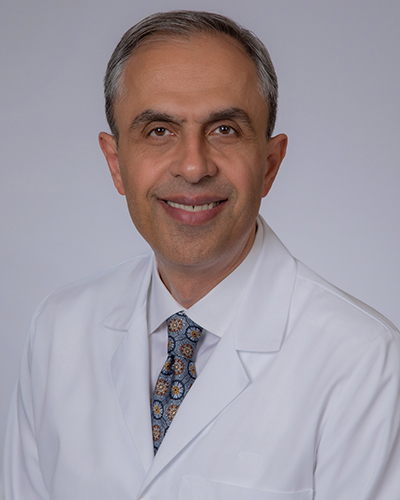
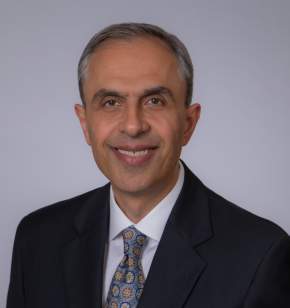
Dr. Aaron Cohen-Gadol is considered one of the leading neurosurgeons worldwide, particularly in the field of minimally invasive brain surgery. He has extensive experience in treating complex brain tumors and neurological conditions using highly advanced techniques designed to minimize surgical impact as much as possible. This approach helps reduce complications, preserve critical brain functions, and promote faster recovery for patients.
Dr. Cohen-Gadol is also known for his expertise in microsurgical and endoscopic procedures, as well as his major scientific contributions, including founding The Neurosurgical Atlas, a globally recognized reference for neurosurgeons. His surgical approach focuses on achieving maximum tumor removal while prioritizing patient safety and quality of life, even in the most challenging cases.
The best neurosurgeon for minimally invasive brain surgery typically has:
- Extensive training in advanced neurosurgical techniques
- Fellowship specialization in minimally invasive or skull base surgery
- A strong record of successful outcomes
- Experience with your specific diagnosis
- Access to modern surgical technologies
It is also important to consider whether the neurosurgeon works within a multidisciplinary team that includes neurologists, radiologists, and rehabilitation specialists. This collaborative approach often leads to more comprehensive care.
Ultimately, the best surgeon is the one who aligns with your medical needs, communicates clearly, and inspires confidence.
Why should you have your surgery with Dr. Cohen?
Dr. Cohen
- 7,500+ specialized surgeries performed by your chosen surgeon
- More personalized care
- Extensive experience = higher success rate and quicker recovery times
Major Health Centers
- No control over choosing the surgeon caring for you
- One-size-fits-all care
- Less specialization
For more reasons, please click here.
Why Choosing the Best Neurosurgeon Matters
Brain surgery is highly complex, and even small differences in skill and experience can affect outcomes significantly.
Selecting the best neurosurgeon for minimally invasive brain surgery involves several factors.
- Surgical precision: Experienced surgeons are better equipped to navigate delicate brain structures while preserving healthy tissue.
- Reduced risk of complications: Complications such as infection, bleeding, or neurological deficits are less likely when a procedure is performed by highly skilled specialists.
- Faster recovery: Minimally invasive techniques already reduce recovery time, but surgeon expertise further enhances healing and rehabilitation.
- Long-term outcomes: The success of tumor removal, seizure control, or symptom relief often depends on surgical accuracy and completeness.
- Patient experience: Top neurosurgeons prioritize patient education, comfort, and emotional support throughout the treatment journey.
In short, the decision to find the best neurosurgeon for minimally invasive brain surgery can directly affect both survival and quality of life.
Key Qualities of the Best Neurosurgeon for Minimally Invasive Brain Surgery
When evaluating potential specialists, focus on the qualities that distinguish top-tier neurosurgeons from the rest.
Board Certification and Training
Look for neurosurgeons who are board-certified and have completed a specialized fellowship in minimally invasive or complex brain surgery.
Experience and Case Volume
Surgeons who perform a high number of minimally invasive procedures tend to have better outcomes. Ask how often they have performed your specific surgery.
Use of Advanced Technology
The best neurosurgeons use:
- Intraoperative MRI or CT imaging
- Robotic assistance
- Neuronavigation systems
- Advanced endoscopic tools
Subspecialty Expertise
Some neurosurgeons focus on specific conditions/diseases such as brain tumors, epilepsy, or vascular disorders, and others focus on a particular area of the brain, such as the skull base. Choosing a surgeon with expertise in your condition increases the likelihood of success.
Communication and Transparency
The best neurosurgeon for minimally invasive brain surgery will:
- Clearly explain risks and benefits
- Offer realistic expectations
- Answer questions thoroughly and compassionately
- Provide second-opinion support if needed
Hospital Affiliation
Top neurosurgeons are often affiliated with a major medical center known for neurology and neurosurgical excellence.
What Procedures Do Minimally Invasive Neurosurgeons Perform?
Minimally invasive neurosurgeons perform a wide range of procedures using advanced techniques.
- Brain tumor removal: Small incisions and image-guided tools enable surgeons to remove tumors with minimal disruption to surrounding tissue.
- Endoscopic pituitary surgery: Tumors in the pituitary gland can often be removed through the nasal passages without any external incisions.
- Treatment of aneurysms: Minimally invasive approaches, such as endovascular coiling, can treat brain aneurysms without open surgery.
- Epilepsy surgery: Targeted procedures can remove or alter small areas of the brain responsible for seizures.
- Hydrocephalus treatment: Endoscopic third ventriculostomy can restore normal cerebrospinal fluid flow.
The best neurosurgeon for minimally invasive brain surgery will determine which technique is most appropriate based on the patient’s condition and overall health.
Conditions Treated Using Minimally Invasive Brain Surgery
Minimally invasive brain surgery is used to treat a variety of neurological conditions.
- Brain tumors (benign and malignant)
- Pituitary tumors
- Epilepsy
- Trigeminal neuralgia
- Brain aneurysms
- Arteriovenous malformations
- Hydrocephalus
- Chiari malformations
Not all cases are suitable for a minimally invasive technique. The neurosurgeon will carefully evaluate imaging studies and medical history to determine eligibility.
Frequently Asked Questions
Is there minimally invasive brain surgery?
Yes, minimally invasive brain surgery is widely available and continues to evolve with advances in medical technology. Techniques such as endoscopic surgery, keyhole approaches, and laser therapies enable surgeons to treat complex brain conditions with smaller incisions and less disruption to healthy tissue. After minimally invasive surgery, patients typically experience a shorter recovery time and fewer complications than after traditional open surgery.
What is the best hospital for brain surgery in the United States?
Several hospitals in the United States are recognized for excellence in neurosurgery. These institutions often feature advanced technology, experienced surgeons, and comprehensive care teams. Although rankings vary, leading centers typically include large academic medical institutions and specialized neurological hospitals.
The best hospital for you depends on your specific condition, the expertise of the neurosurgical team, and access to minimally invasive techniques. Choosing the best neurosurgeon for minimally invasive brain surgery within a reputable hospital is often more important than choosing on the basis of the hospital name alone.
Who is the best neurosurgeon in the world for brain surgery?
There is no single “best neurosurgeon in the world,” as expertise varies by specialization and condition. Some surgeons are internationally recognized for specific procedures, such as tumor removal or vascular surgery.
Rather than focusing on global rankings, patients should prioritize finding the best neurosurgeon for minimally invasive brain surgery who has proven experience treating their specific condition and offers a personalized approach to care.
How long does minimally invasive brain surgery take?
Minimally invasive brain surgery typically takes 1 to 4 hours to complete, depending on the complexity of the procedure and the specific technique used.
What is the least invasive brain surgery?
The least invasive brain procedures are incisionless or use natural body openings rather than cutting through the skull.
What is the most risky brain surgery?
While risk in neurosurgery depends heavily on the specific patient and condition, skull base surgery and craniectomy are widely considered among the most risky procedures due to their complexity and the critical areas they involve.
Key Takeaways
Sourcing the best neurosurgeon for minimally invasive brain surgery is a critical step toward achieving the best possible outcome. With modern techniques offering safer procedures and faster recovery, patients now have more options than ever before.
However, the success of these advanced treatments depends on the surgeon’s expertise, experience, and approach. By focusing on qualifications, specialization, technology, and communication, patients can make informed decisions and feel confident about their care.
If you or a loved one is facing the need for brain surgery, take the time to research, ask questions, and seek second opinions. The right neurosurgeon will not only provide technical excellence but will also guide you through the process with clarity and compassion.
Getting There
The clinic is located at Cedars Towers East which is at 8631 W 3rd Street, Suite 815E, Los Angeles, CA 90048, near Beverly Grove. It’s easily accessible from San Vicente Boulevard or La Cienega Boulevard. Paid parking is available in the adjacent structure and limited street parking can be found nearby. For navigation, entering “8631 W 3rd St” into the GPS will direct you to the main entrance.
The entrance to the Cedars Towers East parking garage is on Sherbourne Drive, located just north of 3rd Street. It is a self-parking garage with the address 217 S Sherbourne Dr, Los Angeles, CA. The entrance is on the right if you are traveling south on Sherbourne, or on the left if you are traveling north on Sherbourne. You then need to take the parking elevators to the plaza level and then cross the short bridge to use the East elevators to reach the 8th floor (suite 815.) Allow extra time for traffic and parking, especially during weekday mornings.