Best Glioblastoma Cancer Hospitals: Why the “Top” Ranking Isn’t Your Only Option


A glioblastoma diagnosis changes everything in an instant. Families often move immediately into research mode, searching phrases such as “best glioblastoma cancer hospital” or “top brain tumor center in the world.” It feels logical; if you can get into the highest-ranked institution, you must receive the best possible care.
However, glioblastoma is not a typical disease. It is one of the most aggressive types of brain tumors there is, and outcomes are influenced by factors that hospital rankings do not always measure well. In many cases, the most important variable is not the institution’s brand name but the individual neurosurgeon performing the operation. Also, how quickly treatment can begin is vital.
Prestigious academic and best glioblastoma cancer hospitals certainly offer enormous advantages, including advanced research programs and clinical trials. Yet, large institutional rankings often overlook issues that matter deeply to people with a glioblastoma. These include surgical specialization, continuity of care, speed of access, and whether the surgeon you researched and chose is actually the person who will perform the critical parts of your procedure.
For patients facing a diagnosis in which every week matters, a specialized private approach can sometimes offer a level of agility, focus, and surgical expertise that even elite institutions struggle to match.
The Best Glioblastoma Cancer Hospitals: What the Rankings Show
When people search for the best glioblastoma cancer hospitals, several names consistently appear at the top of the list. Institutions such as the Mayo Clinic, MD Anderson Cancer Center, The Johns Hopkins Hospital, and UCSF Medical Center are internationally respected for their neuro-oncology and brain tumor treatment.
These centers have earned their reputation for good reason. They typically offer:
- Large multidisciplinary neuro-oncology programs
- Extensive clinical trial access
- Dedicated brain tumor boards
- Advanced imaging and radiation technologies
- Significant research funding and publication output
Publications such as US News & World Report and Newsweek often rank these institutions highly because they evaluate metrics such as patient volume, institutional reputation, academic productivity, and research infrastructure.
One important metric is “volume.” High-volume cancer centers treat thousands of patients per year, which can correlate with broad experience and sophisticated systems of care. However, volume can also become misleading when patients assume that institutional volume automatically translates into individualized surgical excellence.
Hundreds of brain tumor surgeries may be performed in a particular hospital each year, but what often matters more to the patient is how many times their surgeon has personally performed surgery to remove a glioblastoma. This distinction is rarely reflected in public rankings.
The Hidden Reality of Large Cancer Centers
The reputation of a major academic hospital can create the impression that every patient receives care from the institution’s most celebrated specialists. In practice, large centers often function very differently.
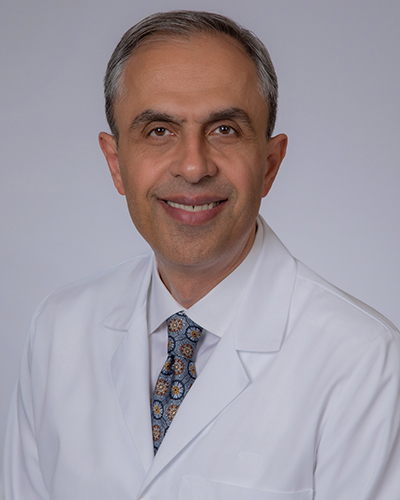
Why should you have your surgery with Dr. Cohen?
Dr. Cohen
- 7,500+ specialized surgeries performed by your chosen surgeon
- More personalized care
- Extensive experience = higher success rate and quicker recovery times
Major Health Centers
- No control over choosing the surgeon caring for you
- One-size-fits-all care
- Less specialization
For more reasons, please click here.
Institutional Brand Versus Individual Skill
A hospital’s ranking does not guarantee that the physician you researched online will personally manage your case. In large academic departments, patients are frequently assigned according to scheduling, call rotation, or internal availability.
This setup can create a disconnect between the institution’s global reputation and the surgeon standing in your operating room.
With a disease such as glioblastoma, for which maximal safe tumor resection is one of the strongest predictors of survival, the difference between a broadly trained neurosurgeon and a deeply specialized glioma surgeon can be significant.
The “Teaching Hospital” Factor
Most elite cancer centers are academic teaching institutions. Training residents and fellows is a core part of their mission.
That educational model advances medicine overall, but patients are often surprised to learn how involved trainees may be during surgery. While attending neurosurgeons supervise procedures, portions of operations can be performed by residents or fellows, depending on institutional practices and case complexity.
Many patients assume that the senior surgeon they consulted will personally perform every major step of their operation. In reality, that does not always happen.
For families confronting glioblastoma, this uncertainty can feel deeply uncomfortable.
The Bureaucracy of Time
Glioblastoma is aggressive and fast-growing. Time matters.
Unfortunately, large hospital systems often move slowly. New patients may encounter multiple administrative hurdles before surgery is even scheduled.
- Insurance verification
- Record transfers
- Imaging uploads
- Tumor board reviews
- Sequential specialist consultations
- Surgical scheduling bottlenecks
In some cases, weeks can pass between diagnosis and definitive treatment. For many patients, the emotional toll of waiting becomes almost as difficult as the diagnosis itself.
The Multidisciplinary Maze
Multidisciplinary care is valuable. Neuro-oncologists, radiation oncologists, neuroradiologists, and neurosurgeons all play essential roles in glioblastoma management. However, in very large systems, care can become fragmented. Patients often describe feeling like a chart moving between departments rather than a person guided by one clearly accountable physician.
The result can be confusion, repeated appointments, inconsistent communication, and delays in decision-making during a time when clarity is desperately needed.
How to Evaluate a Glioblastoma Specialist Beyond the Ranking
For patients with a glioblastoma, choosing the right surgeon can be more important than choosing the highest-ranked hospital.
The following are several questions to help you determine factors more important than institutional prestige alone.
Does the Surgeon Subspecialize in Gliomas?
Not all neurosurgeons focus primarily on intrinsic brain tumors. Some divide their practice among spine surgeries, trauma treatment, vascular procedures, and general neurosurgeries. Others dedicate nearly their entire careers to complex brain tumor surgery.
Patients should ask:
- Does this surgeon routinely perform glioblastoma surgery?
- Is glioma surgery a major focus of their practice?
Subspecialization matters because glioblastoma surgery demands mastery of delicate brain mapping, functional anatomy, and judgment about how much tissue can be removed while preserving neurological function.
What Technology Does the Surgeon Use?
Advanced surgical tools and technologies can significantly influence patient outcomes.
Important technologies include:
- Fluorescence-guided surgery using 5-aminolevulinic acid, which makes malignant glioma cells glow pink under blue light
- Awake brain mapping
- Intraoperative neuromonitoring
- Advanced neuronavigation systems
- Intraoperative MRI or ultrasound imaging
The availability of such technologies is often more meaningful than the name on the hospital building. The key factor is whether the surgeon has deep experience using them properly and actively uses them during complex tumor removals.
What Is the Surgeon’s Personal Case Volume?
Patients should feel empowered to ask, “How many glioblastoma surgeries have you personally performed in the past year?”
The answer can reveal far more than can the hospital’s ranking. High personal case volume often reflects:
- Greater technical refinement
- Better recognition of surgical patterns
- More experience handling complications
- Improved decision-making under pressure
When it comes to highly technical surgery, experience matters.
When a Big Hospital Is the Right Choice
Large academic institutions absolutely play an important role.
For some patients, participation in a highly specialized phase 1 clinical trial, which can offer certain experimental therapies that are available only at select university centers with major research infrastructure, may represent their best option.
In those cases, traveling to a top academic hospital may be essential.
The point is not that prestigious hospitals are bad. Rather, it’s that patients should understand that institutional rankings alone do not guarantee the best individualized surgical experience.
The Case for Targeted Expertise: Dr. Aaron Cohen-Gadol

A highly specialized alternative is Dr. Aaron Cohen-Gadol, founder of the ATLAS Institute of Brain & Spine.
Dr. Cohen-Gadol is internationally recognized in neurosurgery not simply as a practicing surgeon, but also as an educator of neurosurgeons. He founded The Neurosurgical Atlas, a globally used educational platform often referred to within the field as “the bible of neurosurgery.”
Over the course of his career, Dr. Cohen-Gadol has performed more than 7,500 complex brain surgeries and pioneered numerous minimally invasive neurosurgical techniques.
A “No-Resident” Surgical Model
One distinction of specialized private practice is continuity. In this model, the surgeon who evaluates the patient is also the surgeon who performs every critical component of the operation.
This is different from major academic teaching hospitals, where there is a rotation of residents or fellows conducting major portions of the surgery.
For many patients, especially those facing a glioblastoma, private practice consistency provides reassurance and clarity.
Faster Access for Out-of-State and International Patients
Private specialty practices can also move much faster operationally.
According to the ATLAS Institute, patients from around the world routinely submit imaging for rapid review and telemedicine consultation.
We’ve established that for patients with a glioblastoma, speed is essential. A streamlined process that enables imaging review, consultation, and surgical scheduling within days rather than weeks may meaningfully reduce delays in treatment.
A Results-Driven Focus
Ultimately, the primary goal in glioblastoma surgery is maximal safe resection, that is, removal of as much tumor as possible while preserving neurological function.
Achieving that objective depends heavily on the surgeon’s judgment and technical skill.
Dr. Cohen-Gadol’s practice emphasizes the use of advanced techniques and technologies, including fluorescence-guided surgery and intraoperative brain mapping.
For patients evaluating their options, the appeal of a focused, highly specialized practice is straightforward; the emphasis is not divided among institutional bureaucracy, training programs, and competing academic obligations. Instead, the focus is singular: to achieve the best possible surgical outcome for the patient.
Conclusion
Hospital rankings are useful, but they only tell part of the story.
A top ranking reflects an institution’s scale and reputation. On the other hand, a surgeon’s reputation reflects more personal aspects: experience, judgment, consistency, and results in the operating room.
For patients with a glioblastoma, this distinction matters enormously.
There are times when a major academic center is unquestionably the right choice, particularly for experimental therapies and specialized clinical trials. However, many patients assume that “the best hospital” automatically means “the best surgical care,” when in reality, the most important factor may be the individual surgeon who leads the operation.
With a disease as aggressive as glioblastoma, patients do not need prestige. They need expertise, urgency, and a surgeon fully committed to acting quickly and decisively when time is life.
Getting There
The clinic is located at Cedars Towers East which is at 8631 W 3rd Street, Suite 815E, Los Angeles, CA 90048, near Beverly Grove. It’s easily accessible from San Vicente Boulevard or La Cienega Boulevard. Paid parking is available in the adjacent structure and limited street parking can be found nearby. For navigation, entering “8631 W 3rd St” into the GPS will direct you to the main entrance.
The entrance to the Cedars Towers East parking garage is on Sherbourne Drive, located just north of 3rd Street. It is a self-parking garage with the address 217 S Sherbourne Dr, Los Angeles, CA. The entrance is on the right if you are traveling south on Sherbourne, or on the left if you are traveling north on Sherbourne. You then need to take the parking elevators to the plaza level and then cross the short bridge to use the East elevators to reach the 8th floor (suite 815.) Allow extra time for traffic and parking, especially during weekday mornings.