What Is Minimally Invasive Brain Surgery?

- What Conditions Require Minimally Invasive Brain Surgery?
- What Is Minimally Invasive Brain Surgery?
- Is Minimally Invasive Brain Surgery Better Than Traditional Surgery?
- Who Qualifies for Minimally Invasive Brain Surgery?
- What Is Disk-Replacement Surgery? An Overview for Neck and Back Pain Relief
- Who Is the Best Doctor for Minimally Invasive Brain Surgery?
- Important Qualities to Look For in a Neurosurgeon
- Frequently Asked Questions
- Key Takeaways
- Getting There

Minimally invasive brain surgery is a modern neurosurgical approach designed to treat complex brain conditions using smaller incisions, advanced imaging, and highly specialized instruments. Compared to traditional open procedures, minimally invasive techniques focus on reducing trauma to healthy brain tissue while maintaining high levels of precision and effectiveness.
Over the past few decades, minimally invasive brain surgery has transformed patient care. It can result in shorter recovery time, less postoperative discomfort, and an improved cosmetic outcome. When clinically appropriate, it provides many patients a safer and more efficient alternative to conventional brain surgery.
This article explains how minimally invasive brain surgery works, what conditions it can be used to treat, and how to determine whether it is the right option for you.
What Conditions Require Minimally Invasive Brain Surgery?
Minimally invasive brain surgery is used to treat a wide range of neurological conditions, particularly those that are localized and accessible without the need for a large surgical opening.
The following are common conditions that can be treated using a minimally invasive approach:
Brain Tumors
Small- to medium-sized brain tumors, whether benign or malignant, can often be removed using minimally invasive techniques. These approaches aim to preserve surrounding healthy tissue while effectively removing the tumor.
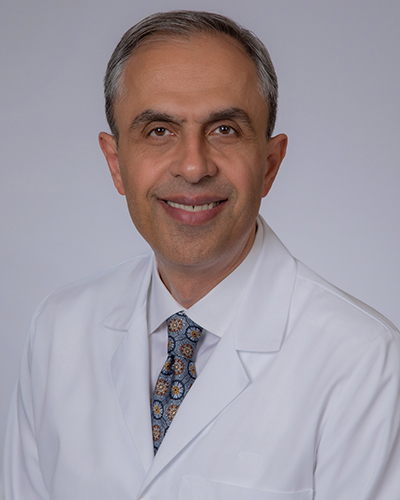
Why should you have your surgery with Dr. Cohen?
Dr. Cohen
- 7,500+ specialized surgeries performed by your chosen surgeon
- More personalized care
- Extensive experience = higher success rate and quicker recovery times
Major Health Centers
- No control over choosing the surgeon caring for you
- One-size-fits-all care
- Less specialization
For more reasons, please click here.
Pituitary Tumors
Tumors in the pituitary gland are frequently treated through an endoscopic transnasal approach, which enables surgeons to access the tumor through the nasal passages while avoiding external incisions.
Epilepsy
In patients with drug-resistant epilepsy, minimally invasive brain surgery can target and treat the specific area of the brain responsible for their seizures.
Hydrocephalus
Procedures such as endoscopic third ventriculostomy can relieve pressure caused by excess cerebrospinal fluid without the need for more invasive interventions.
Brain Cysts and Lesions
Fluid-filled cysts or other abnormal growths can often be drained or removed using minimally invasive techniques.
Vascular Conditions
Certain aneurysms and arteriovenous malformations can be treated with minimally invasive approaches, depending on their size and location.
Not all conditions are suitable for minimally invasive brain surgery, and careful evaluation is necessary to determine eligibility.
What Is Minimally Invasive Brain Surgery?
At its core, minimally invasive brain surgery involves accessing the brain through the smallest possible opening while using advanced technology to guide the procedure.
Key Techniques
- Endoscopic brain surgery: A thin, flexible tube is inserted through a small incision or natural opening. This tube is equipped with a camera and light, which enable the surgeon to visualize and operate on the brain with high precision.
- Keyhole craniotomy: Instead of removing a large portion of the skull, the surgeon creates a small opening, often just a few centimeters wide, to access the targeted area.
- Image-guided surgery: Real-time imaging, such as MRI or CT scans, helps guide the surgeon during the procedure, improving accuracy and safety.
- Laser ablation: Laser technology can be used to destroy abnormal tissue with minimal impact on surrounding areas.
Advantages of the Approach
By limiting the size of the incision(s) and focusing only on the affected area, minimally invasive brain surgery reduces:
- Tissue damage
- Blood loss
- Risk of infection
- Length of hospital stay
This approach represents a significant advancement in neurosurgical care.
Is Minimally Invasive Brain Surgery Better Than Traditional Surgery?
Whether minimally invasive brain surgery is better than traditional open surgery depends on the specific condition being treated and the patient’s overall health.
Advantages
For eligible patients, minimally invasive brain surgery generally offers:
- Smaller incisions and minimal scarring
- Reduced postoperative pain
- Faster recovery
- Shorter hospital stays
- Lower risk of complications
Limitations
Minimally invasive surgery is not suitable in all situations. Traditional open surgery might still be necessary when:
- The tumor or lesion is large or complex
- There is significant brain swelling
- Full visibility is required for safe treatment
- Emergency intervention is needed
Rather than asking which method is better, the focus should be on which approach is most medically appropriate. A qualified neurosurgeon will recommend the safest and most effective option based on individual circumstances.
Who Qualifies for Minimally Invasive Brain Surgery?
Not every patient is a candidate for minimally invasive brain surgery. Eligibility depends on several important factors.
Key Criteria
- Size and location: Smaller, well-defined abnormalities located in an accessible area are more likely to be treated with a minimally invasive technique.
- Overall health: Patients in good general health are often better candidates, because they can tolerate surgery and recover more quickly.
- Type of condition: Certain diagnoses, such as a pituitary tumor or localized epilepsy, are particularly well-suited for minimally invasive approaches.
- Imaging results: Advanced imaging plays a crucial role in determining whether a minimally invasive approach is feasible.
- Individualized evaluation: Every case is unique; the neurosurgeon will carefully review imaging results, medical history, and symptoms before recommending brain surgery of either type.
What Is Disk-Replacement Surgery? An Overview for Neck and Back Pain Relief
Although unrelated to brain procedures, disk replacement surgery is another example of how modern surgical techniques aim to preserve function and reduce recovery time.
Disk-replacement surgery involves removing a damaged spinal disc and replacing it with an artificial one. It is commonly used to treat chronic neck or back pain caused by degenerative disc disease.
Similar to minimally invasive brain surgery, this procedure focuses on preserving natural movement and minimizing disruption to surrounding structures. Although the anatomical focus differs, both approaches reflect a broader shift toward less-invasive and patient-centered surgical care.
Who Is the Best Doctor for Minimally Invasive Brain Surgery?
When it comes to minimally invasive brain surgery, Dr. Aaron Cohen-Gadol is considered one of the leading experts worldwide. With over 7,500 complex brain surgeries performed and more than 40 pioneering minimally invasive techniques developed, he has transformed the field of neurosurgery. ATLAS Institute of Brain and Spine attracts patients globally seeking safer procedures, smaller incisions, and faster recovery times. His use of advanced technologies such as endoscopic surgery, brain mapping, and 3D simulation ensures precise results while preserving critical brain functions, making him a top choice for patients with complex neurological conditions.
Important Qualities to Look For in a Neurosurgeon
- Specialized training: Look for neurosurgeons with fellowship training in minimally invasive or endoscopic brain surgery.
- Experience: Surgeons who have performed many minimally invasive procedures tend to have better results.
- Access to technology: The best doctors use advanced tools such as intraoperative imaging, neuronavigation systems, and endoscopic equipment.
- Patient-centered approach: A strong neurosurgeon will explain procedures clearly, discuss risks and benefits openly, provide realistic expectations, and offer support throughout the recovery period.
- Hospital affiliation: Top neurosurgeons are often affiliated with major medical centers that specialize in neurological care.
Ultimately, the best doctor for minimally invasive brain surgery is one who combines technical expertise with compassionate, individualized care.
Frequently Asked Questions
What is the least invasive brain surgery?
The least invasive brain surgeries typically involve an endoscopic technique or laser ablation. These methods use very small incisions or natural openings, such as the nasal passages, to access the brain. The choice of access depends on the condition being treated and its location.
Can you fully recover from brain surgery?
Many patients can achieve a full or near-full recovery after brain surgery, especially when the condition is treated early and effectively. Recovery depends on factors such as the type of surgery, the area of the brain involved, and the patient’s overall health. Minimally invasive brain surgery often supports faster recovery because of the reduced trauma to surrounding tissue.
What not to do after brain surgery?
After brain surgery, patients should avoid:
- Strenuous physical activity
- Driving until cleared by a doctor
- Lifting heavy objects
- Skipping medications or follow-up appointments
Following postoperative instructions carefully is essential for safe recovery.
When can you fly after a craniotomy?
The timing for air travel after a craniotomy varies depending on the patient’s recovery status and medical condition. Many patients are advised to wait 1–2 weeks before flying, but the safety of travel for them should always be confirmed with a healthcare provider.
What is the recovery time after minimally invasive brain surgery?
Recovery time after minimally invasive brain surgery is typically 2 to 4 weeks to return to normal activities, with 1 to 2 days spent in the hospital. This is significantly shorter than the 6 to 12 weeks required for traditional open brain surgery.
How tired are you after brain surgery?
Feeling tired after brain surgery is very common and is considered a normal part of the recovery process. Many patients experience significant fatigue for several weeks or even months as the brain and body heal from the procedure. Energy levels often fluctuate throughout the day, and activities that previously felt easy may require more effort during recovery.
Key Takeaways
Minimally invasive brain surgery represents a major advancement in the treatment of neurological conditions. By combining precision technology with smaller surgical approaches, patients can benefit from effective treatment with reduced physical impact.
Although not suitable in every case, minimally invasive brain surgery offers clear advantages for many patients, including shorter recovery times, less pain, and lower risk of complications. The key to success lies in proper patient selection and the expertise of the neurosurgical team.
If you are considering brain surgery, consult with a qualified specialist to explore whether minimally invasive brain surgery is the right option for your condition. With the right approach and expert care, patients can achieve an excellent outcome and return to their daily lives with confidence.
Getting There
The clinic is located at Cedars Towers East which is at 8631 W 3rd Street, Suite 815E, Los Angeles, CA 90048, near Beverly Grove. It’s easily accessible from San Vicente Boulevard or La Cienega Boulevard. Paid parking is available in the adjacent structure and limited street parking can be found nearby. For navigation, entering “8631 W 3rd St” into the GPS will direct you to the main entrance.
The entrance to the Cedars Towers East parking garage is on Sherbourne Drive, located just north of 3rd Street. It is a self-parking garage with the address 217 S Sherbourne Dr, Los Angeles, CA. The entrance is on the right if you are traveling south on Sherbourne, or on the left if you are traveling north on Sherbourne. You then need to take the parking elevators to the plaza level and then cross the short bridge to use the East elevators to reach the 8th floor (suite 815.) Allow extra time for traffic and parking, especially during weekday mornings.