Common Brain Tumor Locations

- Where Are Brain Tumors Most Commonly Found?
- Most Common Brain Tumor Locations in Adults
- Most Common Brain Tumor Locations in Children
- How Tumor Location Affects Surgical Complexity
- Does the location of a brain tumor affect treatment options?
- Concerned About Where Your Brain Tumor Is Located?
- FAQs
- Key Takeaways
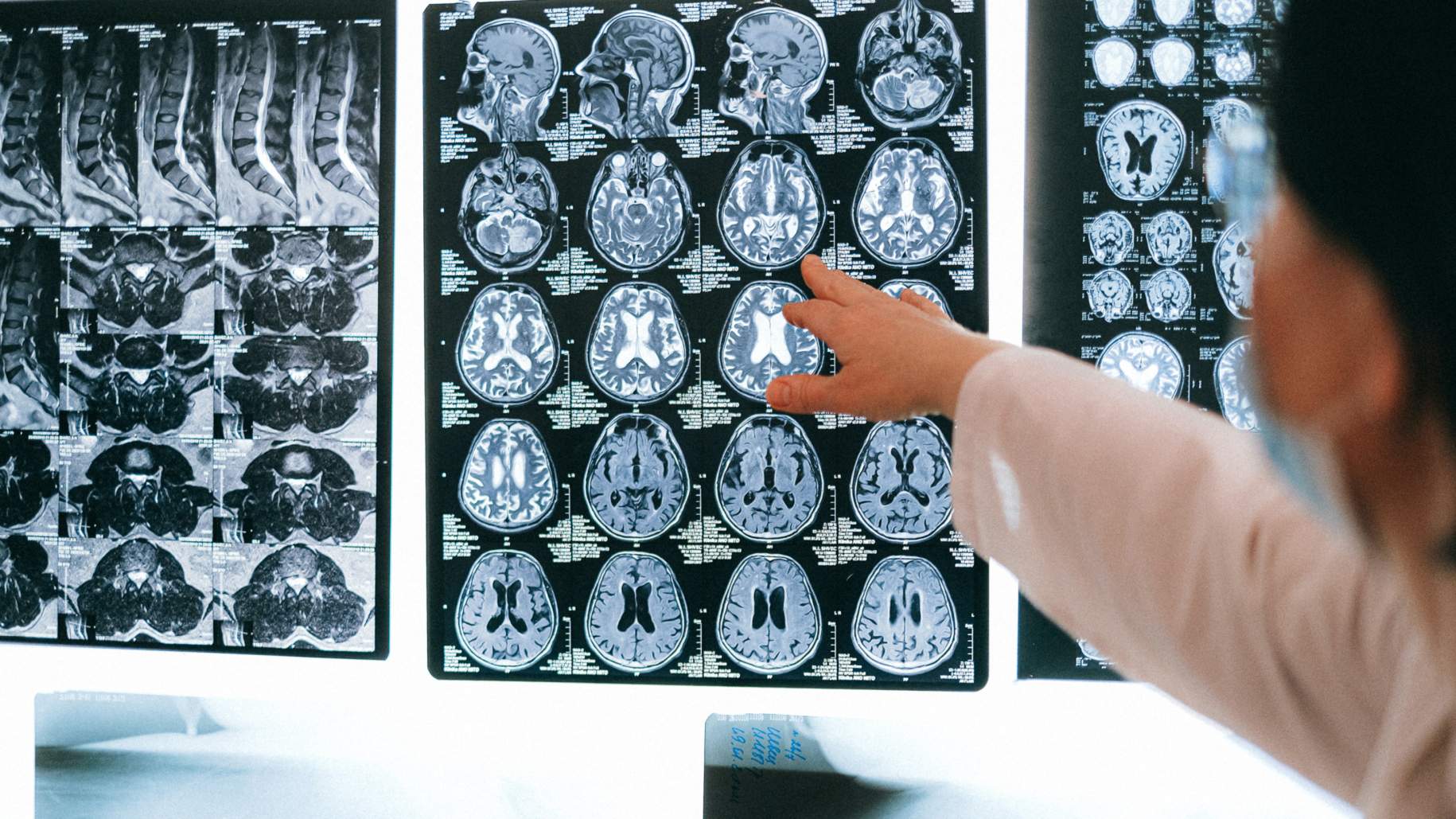
Brain tumors can develop anywhere in the brain, but some locations are more common than others. Determining the location of a brain tumor is important to patients and doctors because it can explain patient symptoms, help determine best treatment strategies, and influence prognosis. Here we’ll discuss where types of brain tumors are most often found and how locations differ between adults and children.
Where Are Brain Tumors Most Commonly Found?
Brain tumors occur throughout the brain. The location, such as the cerebrum, cerebellum, meninges, or brain stem, determines the symptoms. Common locations include the cerebral hemispheres, pituitary gland, and skull base.
The location of a brain tumor is often described in relation to its position above or below the tentorium. The tentorium is made of a layer of tissue called the dura, which is a tough, fibrous membrane that covers the brain and spinal cord.
The tentorium acts as a separator between the cerebrum (the largest part of the brain that controls conscious activities) and the cerebellum (the part of the brain that controls coordination and balance).
- Supratentorial (Above the tentorium): Most common in adults.
- Infratentorial (Below the tentorium): Most common in children.

Figure 1: The location of tumors based on tentorium.
Most Common Brain Tumor Locations and Common Symptoms
Brain tumors most commonly develop in the cerebral hemispheres, cerebellum, meninges, and brainstem. Symptoms and tumor types vary significantly depending on their exact location.
Metastatic tumors - tumors that originate in a different part of the body - are the most common kind of brain tumors, accounting for approximately 50% of all brain tumors. They can be found in any of the common locations listed below:
- Cerebellum: Located at the base of the brain, a cerebellum tumor manifests as issues with balance, coordination, or muscle strength.
- Brainstem: It connects the spinal cord to the brain. Symptoms include difficulty maintaining balance and coordination, trouble swallowing and problems with eye movements.
- Frontal lobe: Located in the front of the brain. As the center for personality and movement, frontal lobe tumor symptoms often manifest as changes in personality or behavior, difficulty speaking, and impaired movement on one side of the body.
- Temporal lobe: Located at the side of the brain, near the ears. Temporal lobe tumor symptoms include memory lapses, speech problems, and unexplained feelings of fear or anger.
- Parietal lobe: Located in the middle of the brain, symptoms often include tingling or weakness on one side of the body, difficulties with hand-eye coordination, and problems with spatial awareness.
- Occipital lobe: Since the occipital lobe is located at the back of the brain, a tumor here triggers eye symptoms of a brain tumour, such as visual hallucinations, difficulty recognizing objects or colors, or loss of vision in one or both eyes.
Why should you have your surgery with Dr. Cohen?
Dr. Cohen
- 7,500+ specialized surgeries performed by your chosen surgeon
- More personalized care
- Extensive experience = higher success rate and quicker recovery times
Major Health Centers
- No control over choosing the surgeon caring for you
- One-size-fits-all care
- Less specialization
For more reasons, please click here.
Most Common Brain Tumor Locations in Adults
Meningioma
Meningiomas are the most common type of primary brain tumor (that is, a tumor that develops in the brain), comprising 39% of all brain tumors and 55% of all benign (or noncancerous) brain tumors. Meningiomas originate in the meninges, which is a protective layer covering the brain and spinal cord.
Pituitary and Craniopharyngeal Tumor
The second most common benign brain tumors in adults are pituitary and craniopharyngiomas, accounting for about 25% of benign brain tumors.
Pituitary tumors are tumors that grow out from the pituitary gland, which is located at the base of the brain. The craniopharyngeal duct is a small canal that connects the pituitary gland to the brain; the craniopharyngioma tumors are noncancerous growths that develop from remnants of an embryonic structure that normally disappears before birth.
Glioblastoma
Glioblastoma is an aggressive malignant astrocytoma. They are usually found in the cerebral hemispheres, which are the largest and most complex parts of the brain and are responsible for many of the brain's functions, such as movement, sensation, speech, and vision.
Glioblastomas can occur anywhere in the cerebral hemispheres but are most often found in the frontal and temporal lobes. They can also occur in the brainstem, which is the part of the brain that controls many of the body's automatic functions, such as heart rate and breathing. They can spread rapidly and invade surrounding brain tissue, making them difficult to treat.
Table 1 lists the common brain tumor locations in young adults versus those 40 and older.
| Adults 19 - 39 | |
| Pituitary and craniopharyngeal duct | 37.1% |
| Meninges | 15.9% |
| Frontal lobe | 9.6% |
| Adults 40 and older | |
| Meninges | 39.2% |
| Pituitary and craniopharyngeal duct | 18.1% |
| Frontal lobe | 7.8% |
Most Common Brain Tumor Locations in Children
Pilocytic astrocytoma
The most common brain tumor in children is pilocytic astrocytoma, accounting for 15.2% of all brain tumors in children younger than 14 years of age. These are often present in the cerebellar region and are more commonly associated with a good prognosis.
Medulloblastoma and Brainstem Glioma
Two other types of brain tumors in children are medulloblastomas and brainstem gliomas; both are found in or near the brainstem. An ependymoma is another brain tumor found in children that originates from ependymal cells that line the ventricles, which are the fluid-filled spaces in the brain.
Ependymoma
An ependymoma is another brain tumor found in children that originates from ependymal cells that line the ventricles, which are the fluid-filled spaces in the brain.
| Children 0 - 14 | |
| Cerebellum | 17.1% |
| Other brain areas | 13.1% |
| Brainstem | 12.4% |
| Children 15 - 19 | |
| Pituitary and craniopharyngeal duct | 35.7% |
| Cerebellum | 7.7% |
| Other brain areas | 7.6% |
How Tumor Location Affects Surgical Complexity
Not all brain surgeries are the same. A tumor on the surface (like a convexity meningioma) is very different from a tumor deep in the brainstem or at the "skull base."
Tumor location is one of the most important factors influencing surgical difficulty. Tumors located near critical brain structures, such as speech centers, motor pathways, or the brainstem, require advanced surgical planning and specialized techniques to minimize risk.
Discuss Your Tumor with an Expert
Does the location of a brain tumor affect treatment options?
Yes. A brain tumor's location is one of the most important factors in determining treatment. Tumors located near areas that control speech, movement, vision, memory, or other critical functions often require specialized surgical planning to maximize tumor removal while preserving neurological function. Your neurosurgeon will consider the tumor's location, size, and relationship to surrounding brain structures when recommending surgery, radiation therapy, or just observation.
Concerned About Where Your Brain Tumor Is Located?
Learning that your tumor is close to an important area of the brain can be overwhelming. The good news is that treatment decisions are based on much more than location alone. By carefully reviewing your MRI, symptoms, and overall health, an experienced neurosurgeon can recommend the safest and most effective treatment strategy for your individual case.
FAQs
Where is the most common location for brain tumors?
Brain tumors can develop in different parts of the brain, but many commonly occur in the cerebrum. Tumors can also develop in areas such as the pituitary gland, the cerebellum, or the brainstem, depending on the tumor type.
What are the first warning signs of a brain tumor?
The earliest signs of a brain tumor often include persistent headaches, unexplained nausea or vomiting, vision problems, and difficulty concentrating. Some people may also experience subtle changes in personality, balance issues, or weakness in a part of the body.
Where are brain tumors most common?
Brain tumors are most common in the cerebrum, the large outer part of the brain. Specific locations depend on the type of tumor, with meningiomas typically arising in the protective outer linings and gliomas typically forming in the cerebral hemispheres.
What are the warning signs of a brain tumor?
Brain tumors often present with symptoms that mimic everyday illnesses. Common warning signs include new or worsening headaches, unexplained seizures, sudden personality changes, and difficulty speaking or finding words. As the tumor grows or causes swelling, it increases pressure inside the skull, leading to localized physical or cognitive deficits.
What can be mistaken for a brain tumor?
Several conditions can mimic a brain tumor because they cause similar symptoms, including non-specific headaches, seizures, cognitive changes, or weakness. Examples include stroke, brain infections, multiple sclerosis, subdural hematoma, migraines, and inflammatory disorders. Imaging tests such as MRI or CT scans are usually needed to determine the exact cause.
Key Takeaways
- Brain tumors can develop anywhere in the brain, but some locations are more common than others.
- Determining the location of a brain tumor is important to patients and doctors because it can explain symptoms, help determine best treatment strategies, and influence prognosis.
- Adult brain tumors are commonly found above the tentorium (supratentorial), whereas brain tumors in children are often found below the tentorium (infratentorial).
- The most common locations for brain tumors in adults are the meninges, pituitary gland, craniopharyngeal duct, and frontal and temporal lobes.
- In children, brain tumors are found most often in the cerebellum and brainstem.
- Meningioma is the most common primary brain tumor in adults; these tumors are commonly found on the surface of the brain, which makes them easier to remove surgically than tumors found deeper in the brain.