Find the Top-rated brain surgeons for benign tumors in the United States

- Who Are the Top-Rated Brain Surgeons for Benign Tumors in the United States?
- Who are the Top-Rated Brain Surgeons for Benign Tumors?
- What Makes a Neurosurgeon “Top-Rated” for Benign Tumor Removal?
- What Types of Tumors do Top-Rated Brain Surgeons for Benign Tumors Commonly Treat?
- Advanced Procedures They Perform
- What are the Benefits of an Experienced Tumor Specialist?
- What Is a Microneurosurgeon?
- How to Find a Micro-Neurosurgeon Near Me?
- When to Seek a Microsurgical Expert?
- What are the Steps in Benign Tumor Diagnosis?
- Treatment Options for Benign Tumors?
- Recovery Timeline - Benign Tumor
- FAQ
- Getting There
When facing a benign brain tumor, choosing the right neurosurgeon is one of the most important decisions you can make. Experience, specialization, and access to advanced technology all play a major role in achieving the best possible outcome. Fortunately, the United States is home to several world renowned specialists in benign tumor removal, microsurgery, and skull-base surgery. Here you can find the top-rated brain surgeons for benign tumors in the United States.
Who Are the Top-Rated Brain Surgeons for Benign Tumors in the United States?
Patients seeking a top-rated brain surgeon for benign tumor treatment typically look for neurosurgeons with experience in tumor removal, microsurgical techniques, and minimally invasive approaches. Some of the most recognized names include Aaron Cohen-Gadol, William Couldwell, Mustafa Baskaya, and Juan Carlos Fernandez-Miranda.
Who are the Top-Rated Brain Surgeons for Benign Tumors?
Below are several widely recognized US specialists known for their expertise in benign brain tumor removal, particularly in complex or skull base cases:
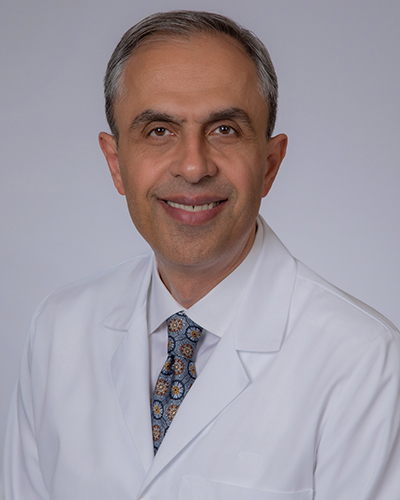
Why should you have your surgery with Dr. Cohen?
Dr. Cohen
- 7,500+ specialized surgeries performed by your chosen surgeon
- More personalized care
- Extensive experience = higher success rate and quicker recovery times
Major Health Centers
- No control over choosing the surgeon caring for you
- One-size-fits-all care
- Less specialization
For more reasons, please click here.
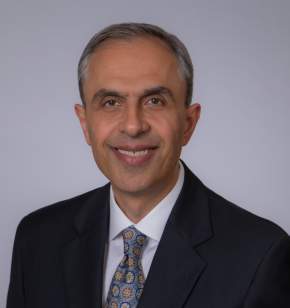
Dr Aaron Cohen-Gadol

Dr Aaron Cohen-Gadol is known for his expertise in minimally invasive and complex skull base tumor surgeries, as well as innovations in microsurgical techniques. He is a pioneer in developing techniques to remove the most complex tumors through small or no incisions. His unique techniques preserve the normal brain and spinal cord during surgery, providing unmatched safety and fast recovery.
Dr William T. Couldwell

Dr William T. Couldwell is renowned for treating pituitary tumors and skull base tumors and microsurgical treatment of vascular and benign lesions.
Dr Mustafa K. Baskaya

Dr Mustafa K. Baskaya specializes in microsurgical treatment of brain tumors, especially meningiomas, acoustic neuromas, and complex cranial base lesions
Dr Juan Carlos Fernandez-Miranda

Dr Juan Carlos Fernandez-Miranda is an expert in endoscopic and microsurgical approaches for skull base tumors, including pituitary adenomas and craniopharyngiomas.
These specialists are often cited by patients seeking a neurosurgeon with experience in tumor removal and advanced microsurgical strategies.
What Makes a Neurosurgeon “Top-Rated” for Benign Tumor Removal?
Selecting the right surgeon relies on several measurable criteria. Below are the distinguishing features of the most respected benign tumor specialists.
Key Qualifications
Top neurosurgeons with experience in tumor removal typically have the following:
- Extensive experience with surgery of benign tumors
- Fellowship training in skull base or tumor surgery
- Board certification from the American Board of Neurological Surgery
- Academic leadership roles and/or clinical research contributions
- Access to advanced technologies such as intraoperative magnetic resonance imaging (MRI), neuronavigation, and endoscopic systems
High Surgical Volume
Experience matters enormously. Surgeons who treat a large number of benign tumors each year tend to achieve better outcomes and fewer complications for their patients. This is particularly true for tumors in delicate regions such as the skull base.
What Types of Tumors do Top-Rated Brain Surgeons for Benign Tumors Commonly Treat?
Elite benign tumor neurosurgeons often treat the following:
- Meningiomas
- Acoustic neuromas (vestibular schwannomas)
- Pituitary adenomas
- Craniopharyngiomas
- Colloid cysts
- Pineal region tumors
Advanced Procedures They Perform
Top-rated surgeons use state of the art methods such as:
- Endoscopic endonasal surgery
- Keyhole craniotomy
- Radiosurgery
- Microneurosurgical tumor removal
- Intraoperative imaging for real time precision
What are the Benefits of an Experienced Tumor Specialist?
Working with a highly trained tumor specialist offers benefits such as:
- Lower complication rates
- Shorter hospital stays
- More complete tumor removal
- Reduced neurological side effects
- Greater familiarity with rare tumor types
These benefits are particularly important for patients searching for a microneurosurgeon near them, as microsurgery requires extraordinary precision and years of specialized training.
What Is a Microneurosurgeon?
A microneurosurgeon is a neurosurgeon who specializes in performing procedures using high powered surgical microscopes and microsurgical tools. These specialists treat tumors located near critical nerves and blood vessels, making them ideal for patients with a skull base, pituitary, or deep seated benign tumor.
Microsurgery provides benefits such as:
- Smaller surgical openings
- Reduced trauma to surrounding tissue
- Faster recovery times
- Greater accuracy in tumor removal
How to Find a Micro-Neurosurgeon Near Me?
If you are searching for a microneurosurgeon near you, consider the following steps:
- Check online for reputable surgeons with extensive experience: Surgeons often disclose their experience in their peer-reviewed publications.
- Review patient outcome statistics: Many hospitals share their surgical success rates and complication data.
- Look for published research: High level surgeons frequently contribute to medical literature and teach internationally.
- Verify tumor specialization: Ensure that the surgeon treats your specific benign tumor type regularly.
- Schedule multiple consults: Expertise varies; consultations help you compare approaches.
When to Seek a Microsurgical Expert?
You should consult a microsurgical specialist if:
- Your tumor is located near critical nerves or blood vessels
- The tumor is recurrent
- You have a skull base tumor (for example, pituitary tumor, acoustic neuroma, meningioma)
- Your previous surgeon recommended a high risk approach
- Minimally invasive options may be available
What are the Steps in Benign Tumor Diagnosis?
Diagnosis typically includes the following:
- Neurological exam
- MRI with and without contrast
- Possibly computed tomography (CT) scans for bone involvement
- Endocrine testing for pituitary tumors
- Hearing tests for acoustic neuromas
- Consultation with a neurosurgeon or neuro-oncologist
A clear diagnosis helps determine whether surgery, monitoring, or radiation is the best treatment option.
Treatment Options for Benign Tumors?
Treatment for a benign brain tumor varies depending on its size, type, growth rate, and symptoms. Common options include the following:
- Microsurgical removal: often preferred for tumors that compress nerves or brain tissue
- Endoscopic surgery: minimally invasive access through the nose or other small opening
- Stereotactic radiosurgery: Gamma Knife or CyberKnife for small or difficult-to-reach tumors
- Watchful waiting: monitoring with regular MRI scans if the tumor is small and not growing
Recovery Timeline - Benign Tumor
Recovery after surgery to remove a benign tumor varies on the basis of the tumor’s location and the surgical approach used to remove it. General timelines:
- Hospital stay 2 to 5 days for most microsurgeries
- Return to light activity 2 to 4 weeks
- Full recovery 6 to 12 weeks
- Hearing, endocrine, or visual recovery (for specific tumors) several months or more
Your surgeon will provide a customized timeline based on your specific condition and needs.
FAQ
How do I choose a top rated brain surgeon for a benign tumor?
Look for high surgical volume, specific tumor expertise, fellowship training, and positive patient outcomes. Multiple opinions can help you compare approaches recommended by different neurosurgeons.
Should benign tumors always be removed?
Not always. Some small, slow growing tumors can be monitored at first. Treatment depends on the symptoms the tumor causes and its location and growth patterns.
Is microsurgery safe for skull base tumors?
Yes, when performed by a highly trained microneurosurgeon. Microsurgery is often the gold standard for removing a complex skull base lesion.
What is the success rate of benign brain tumor removal?
Success rates are high, especially when treated by an expert. Many tumors can be removed fully with few complications.
Do I need a second opinion for a benign tumor diagnosis?
A second opinion is recommended, particularly for any complex or skull-base tumor. Different surgeons may offer different approaches.
Are minimally invasive options available?
Yes. Endoscopic and keyhole approaches can be used to remove many types of benign tumors using smaller openings and resulting in faster recovery.
What is a neurosurgeon?
A neurosurgeon is a medical specialist trained in the diagnosis and treatment of disorders affecting the brain, spine, and nervous system. Although neurosurgeons are experts in surgical procedures, they often explore conservative treatment options first when appropriate. They manage conditions such as brain tumors, spinal disorders, nerve compression syndromes, and traumatic neurological injuries, while collaborating with other specialists to ensure comprehensive patient care.
Why am I being referred to a neurosurgeon?
A referral to a neurosurgeon is usually recommended when symptoms or diagnostic findings suggest a condition involving the brain, spine, or nerves that requires expert evaluation. Common reasons include persistent neck or back pain, nerve-related symptoms, spinal abnormalities, brain tumors, or neurological injuries. After a thorough assessment, the neurosurgeon may recommend observation, medication, rehabilitation therapies, or surgery, depending on the nature and severity of the condition.
What surgeries are performed by neurosurgeons?
Neurosurgeons perform a variety of procedures designed to treat disorders of the nervous system. These may include:
- Surgical removal of brain tumors
- Spinal decompression and fusion procedures for spinal conditions
- Repair of cerebral aneurysms and other vascular abnormalities
- Surgical treatment of epilepsy and movement disorders, including deep brain stimulation
- Minimally invasive procedures for peripheral nerve disorders and nerve injuries
- Modern neurosurgical techniques often incorporate advanced imaging, navigation systems, and minimally invasive approaches to improve precision and support faster recovery.
What is the difference between a neurosurgeon and a neurologist?
Both neurosurgeons and neurologists specialize in disorders of the nervous system, but their areas of practice are different. A neurosurgeon is trained to provide surgical treatment for conditions affecting the brain, spine, and nerves when an operation is necessary. A neurologist focuses on diagnosing and treating neurological disorders through non-surgical methods, including medications and other medical therapies. These specialists frequently work together to develop the most effective treatment plan for each patient.
Getting There
The clinic is located at Cedars Towers East which is at 8631 W 3rd Street, Suite 815E, Los Angeles, CA 90048, near Beverly Grove. It’s easily accessible from San Vicente Boulevard or La Cienega Boulevard. Paid parking is available in the adjacent structure and limited street parking can be found nearby. For navigation, entering “8631 W 3rd St” into GPS will direct you to the main entrance.
The entrance to the Cedars Towers East parking garage is on Sherbourne Drive, located just north of 3rd Street. It is a self-parking garage with the address 217 S Sherbourne Dr, Los Angeles, CA. The entrance is on the right if you are traveling south on Sherbourne, or on the left if you are traveling north on Sherbourne. You then need to take the parking elevators to the plaza level and then cross the short bridge to use the East elevators to reach the 8th floor (suite 815.) Allow extra time for traffic and parking, especially during weekday mornings.