Recovery Outlook for Chondrosarcomas


Is Chondrosarcoma a Serious Disease?
Yes, chondrosarcoma is considered a serious disease. It is a type of bone cancer that can grow and spread if not treated appropriately.
There are different grades of chondrosarcoma, which means that some cases are more severe than the others. The grade of the tumor depends on how quickly the tumor grows and how abnormal the tumor cells appear when examined with a microscope. The higher the grade, the more serious the disease. For example, the survival rate of a Grade 3 chondrosarcoma is generally worse than that of a Grade 2 chondrosarcoma. The same holds true for chondrosarcoma stages, too.
Although some people with chondrosarcoma may have a localized tumor that can be successfully treated with surgery, others may have more advanced disease that requires more intensive treatment, such as radiation therapy and chemotherapy.
Having chondrosarcoma can be difficult, both physically and emotionally. It's helpful to talk to your doctor about any questions or concerns you may have and to seek support from family and friends.
What Is the Recovery Outlook for Chondrosarcomas?
The survival rate for chondrosarcomas varies widely and depends on several factors, such as the size and location of the tumor, the stage of the cancer, and the patient’s overall health.
Five-year survival rates provide information about the percentage of people with the same type and stage of cancer who are alive 5 years after their diagnosis. These rates do not always predict how long a person will live, but they can provide insight into the likelihood of successful treatment.
In general, people with a localized chondrosarcoma (where the cancer is confined to one area) tend to have a better recovery outlook with a 5-year survival rate of around 80% to 90%. The 5-year survival rate in those with regional spread of chondrosarcoma is 75%. However, for those with advanced chondrosarcoma where the cancer has spread to other parts of the body (for example, Stage 3 chondrosarcoma), the 5-year survival rate is around 20%.
The prognosis for chondrosarcoma patients is relatively positive for those with local low-grade tumors. It's important to remember that these are just general statistics and that every person's experience with chondrosarcoma is unique. Your doctor can provide you with more information and a more personalized outlook based on your specific case.
Can Chondrosarcoma Be Cured?
Chondrosarcoma is a type of bone cancer that can be difficult to cure, but it can be managed and controlled. The goal of treatment for chondrosarcoma is to remove the cancerous tissue and prevent it from spreading to other parts of the body. The success of treatment depends on several factors, including the size and location of the tumor, the stage of the cancer, and the patient's overall health.
In cases of localized chondrosarcoma, where the cancer is only in one area, surgical removal of the tumor is typically the first line of treatment. Depending on the size and location of the tumor, this may be a simple procedure or may require more extensive surgery. In some cases, radiation therapy or chemotherapy may be recommended after surgery to help prevent the cancer from coming back.
For advanced chondrosarcoma, when the cancer has spread to other parts of the body, a combination of surgery, radiation therapy, and chemotherapy may be recommended. The goal of treatment is to control the cancer and relieve any symptoms the patient may be experiencing. In some cases, radiation therapy and chemotherapy may be used before surgery to shrink the size of the tumor and make it easier to remove.
However, chondrosarcoma may not be completely curable in all patients. In these circumstances, the goal of treatment may be more palliative, aiming to relieve symptoms, control tumor growth, and improve the quality of life for patients.
In terms of outcomes, some people with chondrosarcoma have a successful outcome and can return to their normal activities after treatment. Others may experience long-term side effects from the tumor or treatment and need to modify their routines.
Early diagnosis and treatment are typically associated with better outcomes; therefore, it is important to get any unusual growth or symptom checked out by your doctor. This is especially important if you know someone in your family who has had a chondrosarcoma or any other bone tumor.
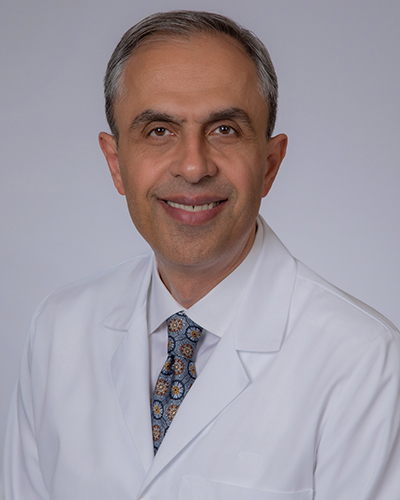
Why should you have your surgery with Dr. Cohen?
Dr. Cohen
- 7,500+ specialized surgeries performed by your chosen surgeon
- More personalized care
- Extensive experience = higher success rate and quicker recovery times
Major Health Centers
- No control over choosing the surgeon caring for you
- One-size-fits-all care
- Less specialization
For more reasons, please click here.
Key Takeaways
- Chondrosarcoma is considered a serious disease, and the severity depends on the size, location, grade, and stage of the tumor.
- The 5-year survival rate of localized chondrosarcomas is 80% to 90%, while that of chondrosarcomas that have spread regionally is 75%.
- The 5-year survival rate of chondrosarcomas with distant spread is 20%.
- Early diagnosis and treatment are usually associated with better outcomes.