Best Hospital for Acoustic Neuroma Surgery

- What Is the "Best" Hospital for Acoustic Neuroma Surgery?
- US Hospitals With Established Acoustic Neuroma Programs
- How to Compare Hospitals for Acoustic Neuroma Surgery
- Why Access to Different Treatment Options Matters
- Why Multidisciplinary and Follow-Up Care Matters
- Practical Steps for Choosing Where to Have Acoustic Neuroma Surgery
- Frequently Asked Questions About Choosing a Hospital for Acoustic Neuroma Surgery
- Key Takeaways
- Getting There

What Is the "Best" Hospital for Acoustic Neuroma Surgery?
There is no single hospital that is universally the “best” for acoustic neuroma surgery. The right center depends on factors such as the patient’s tumor size and location, hearing status, available treatment options, surgeon experience, and your individual priorities.
Acoustic neuromas, also called vestibular schwannomas, are benign, typically slow-growing tumors that develop on the vestibulocochlear nerve. Because these tumors are located near structures involved in hearing, balance, facial movement, and other neurological functions, specialized experience and multidisciplinary care are important considerations when choosing a treatment center.
This guide is designed for patients and families comparing acoustic neuroma treatment centers in the US. It highlights established programs and explains the experience, outcomes, treatment options, multidisciplinary care, and support services to consider before deciding where to receive treatment.
US Hospitals With Established Acoustic Neuroma Programs
Several US hospitals have established programs for treating acoustic neuromas and other skull base tumors. Rather than relying on a hospital's overall reputation alone, patients should also consider the specific acoustic neuroma team, available treatment options, experience with similar cases, and follow-up services.
Examples of excellent hospitals include:
Mayo Clinic (Rochester, Minnesota; Arizona and Florida campuses): Mayo Clinic provides multidisciplinary acoustic neuroma care involving neurosurgery, radiation oncology, audiology, imaging, and other specialties. Treatment options include observation, microsurgery, and stereotactic radiosurgery.
Johns Hopkins Hospital (Baltimore, Maryland): Johns Hopkins provides multidisciplinary evaluation and treatment for vestibular schwannomas and other skull base tumors, bringing together specialists in neurosurgery, neurotology, hearing care, and related disciplines.
Cleveland Clinic (Cleveland, Ohio): Cleveland Clinic provides surgical and nonsurgical management of acoustic neuromas through specialists involved in skull base surgery and radiosurgery.
House Clinic/USC-Keck (Los Angeles, California): House Clinic has a long history of treating acoustic neuromas and other lateral skull base conditions. Its care includes neurotology, skull base surgery, audiology, and hearing rehabilitation.
UC San Diego Health (San Diego, California): UC San Diego Health has a dedicated acoustic neuroma program providing microsurgery, radiosurgery, hearing evaluation, and multidisciplinary care. The program treats patients from across the US and supports patients who are traveling for their treatment.
Cedars-Sinai (Los Angeles, California): Cedars-Sinai provides multidisciplinary care for acoustic neuromas and other complex skull base tumors through specialists in neurosurgery, neurotology, imaging, and related fields. Patients can be evaluated for surgical and nonsurgical management based on tumor characteristics, hearing status, symptoms, and individual treatment priorities.
Duke Health (Durham, North Carolina): Duke provides care for skull base tumors through teams that include neurosurgeons and other specialists. Treatment planning can include surgical and radiation-based approaches depending on the individual case.
UT Southwestern Medical Center (Dallas, Texas): UT Southwestern provides multidisciplinary acoustic neuroma care and offers surgical and nonsurgical treatment options for vestibular schwannomas.
Rush University Medical Center (Chicago, Illinois): Rush provides evaluation and treatment for acoustic neuromas, including surgical care, stereotactic radiosurgery, diagnostic testing, and rehabilitation support.
These examples are not intended as a ranking. A well-known hospital name does not necessarily mean every surgeon or team within that institution has the same level of acoustic neuroma experience.
Patients should evaluate the specific treatment team, their experience with tumors similar to theirs, available treatment options, outcomes, follow-up services, and practical considerations such as travel and ongoing care.
How to Compare Hospitals for Acoustic Neuroma Surgery
When comparing acoustic neuroma centers, move beyond general hospital rankings and marketing claims. Focus instead on factors directly related to the institution’s vestibular schwannoma care.
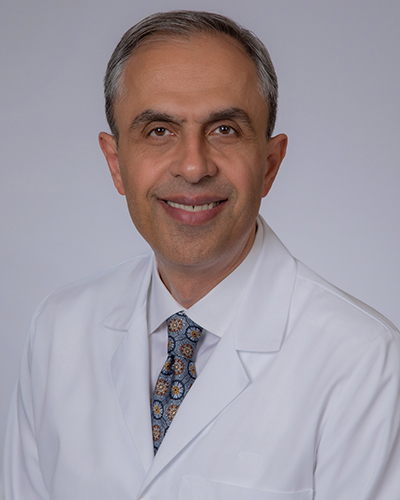
Why should you have your surgery with Dr. Cohen?
Dr. Cohen
- 7,500+ specialized surgeries performed by your chosen surgeon
- More personalized care
- Extensive experience = higher success rate and quicker recovery times
Major Health Centers
- No control over choosing the surgeon caring for you
- One-size-fits-all care
- Less specialization
For more reasons, please click here.
Acoustic Neuroma Experience
Ask how frequently the hospital and individual surgical team treat acoustic neuromas. Experience with tumors similar in size, location, and complexity to yours may be particularly relevant.
Outcomes Data
Ask whether the center can provide information about outcomes such as hearing preservation, facial nerve function, cerebrospinal fluid leaks, tumor control, complications, and revision procedures.
Outcomes should ideally be discussed in the context of patients with tumors similar to yours rather than presented only as overall percentages.
Access to Multiple Treatment Options
An experienced center should be able to evaluate patients for observation, stereotactic radiosurgery, and microsurgery when appropriate.
Access to multiple approaches helps ensure that treatment recommendations are based on the individual case rather than simply the procedure a particular provider performs.
Multidisciplinary Care
Look for coordinated care involving specialists such as neurosurgeons, neurotologists, radiation oncologists, audiologists, vestibular rehabilitation professionals, and other specialists when needed.
This can be particularly important because acoustic neuroma treatment may affect hearing, balance, facial nerve function, and long-term quality of life.
Technology and Surgical Support
Depending on the treatment being considered, relevant resources may include high-resolution MRI, intraoperative facial and cochlear nerve monitoring, neuronavigation, stereotactic radiosurgery, and specialized skull base surgical facilities.
Technology alone should not determine your choice of hospital, but it can support an experienced clinical team.
Long-Term Follow-Up
Acoustic neuroma care does not end after surgery or radiation. Ask how the hospital handles follow-up MRI scans, hearing changes, balance difficulties, facial nerve issues, and coordination with doctors closer to home.
Why Access to Different Treatment Options Matters
Choosing a hospital for acoustic neuroma care is not simply about identifying where surgery can be performed. Depending on the tumor and patient, management may involve observation, stereotactic radiosurgery, or microsurgical removal.
Observation
Some small or slow-growing acoustic neuromas may be monitored with periodic MRI scans and hearing tests rather than treated immediately.
Stereotactic Radiosurgery
Focused radiation techniques such as Gamma Knife may be considered for selected tumors. The goal is generally to control tumor growth while limiting radiation exposure to surrounding structures.
Microsurgery
Surgery may be considered based on factors such as tumor size and location, symptoms, growth, hearing status, brainstem involvement, age, overall health, and individual treatment priorities.
Different surgical approaches may be considered depending on the individual case.
The ability to discuss multiple treatment options within the same program can be valuable because not every acoustic neuroma requires the same treatment.
Why Multidisciplinary and Follow-Up Care Matters
When comparing hospitals, consider what happens both during and after treatment.
Acoustic neuroma patients may need support in several areas, including:
- Audiology and hearing care for evaluating and managing hearing changes
- Vestibular rehabilitation for persistent dizziness or balance difficulties
- Facial nerve care if facial weakness occurs
- Long-term imaging to monitor the tumor after observation, surgery, or radiation
- Patient education and support to help patients and families understand treatment, recovery, and follow-up
A coordinated program can make it easier for these services to work together rather than requiring patients to arrange each part of their care independently.
Practical Steps for Choosing Where to Have Acoustic Neuroma Surgery
Once you have identified potential hospitals, you can narrow your options by comparing the centers directly.
- Gather your medical records. Collect your MRI images and reports, audiograms, relevant ENT or neurological records, and a summary of your symptoms.
- Consider obtaining another specialist opinion. Comparing recommendations from more than one experienced acoustic neuroma center can help you understand whether specialists agree on observation, radiation, or surgery.
- Ask about acoustic neuroma experience. Find out how frequently the surgeon and hospital treat vestibular schwannomas and whether they regularly manage tumors similar to yours.
- Ask about outcomes. Discuss hearing preservation, facial nerve function, complications, tumor control, and recovery expectations based on your individual case.
- Understand the recommended treatment. Ask why the team recommends observation, radiosurgery, or microsurgery and what reasonable alternatives exist.
- Consider travel and follow-up. If you are considering treatment far from home, ask how postoperative appointments, rehabilitation, and long-term MRI monitoring will be coordinated.
- Check insurance and costs. Confirm network status, authorization requirements, and potential out-of-pocket costs before arranging treatment.
- Consider communication and shared decision-making. The team should clearly explain your imaging, options, potential benefits, risks, and uncertainties while taking your treatment priorities into account.
Frequently Asked Questions About Choosing a Hospital for Acoustic Neuroma Surgery
Is the closest major hospital usually the best place for acoustic neuroma surgery?
Not necessarily. Location is an important practical consideration, but experience with acoustic neuromas should also be considered. Patients may want to compare their local option with a center that regularly treats vestibular schwannomas, particularly for complex tumors or when hearing and facial nerve function are major concerns.
How much acoustic neuroma experience should a surgeon have?
There is no single case-volume number that defines the right surgeon for every patient. Ask how frequently the surgeon treats vestibular schwannomas, their experience with tumors similar to yours, and whether they can discuss their own outcomes.
Should I travel for acoustic neuroma treatment?
Travel may be worth considering when it provides access to a team with substantial acoustic neuroma experience or treatment options unavailable locally.
Whether travel is appropriate depends on your individual condition, treatment needs, timing, finances, insurance, and ability to return for follow-up care.
Do national hospital rankings matter?
Hospital rankings can provide general information about neurology, neurosurgery, and ENT programs, but they are not specific measures of acoustic neuroma expertise.
Condition-specific experience, the individual treatment team, multidisciplinary resources, and outcomes relevant to vestibular schwannoma may be more useful when comparing centers.
What if different hospitals recommend different treatments?
Different recommendations can occur because observation, radiosurgery, and surgery may all be reasonable options in some cases.
Ask each team to explain why they recommend a particular approach, the expected benefits and risks, and how factors such as tumor size, growth, hearing status, symptoms, age, and personal priorities influenced their recommendation.
Key Takeaways
There is no single hospital that is universally the best choice for every acoustic neuroma patient. The appropriate center depends on the tumor’s characteristics, the patient's health and hearing status, available treatment options, and individual priorities.
When comparing hospitals, look beyond overall reputation and consider the specific acoustic neuroma team's experience, outcomes, multidisciplinary resources, treatment options, and long-term follow-up services.
Established US programs include centers such as Mayo Clinic, Johns Hopkins, Cleveland Clinic, House Clinic/USC-Keck, UC San Diego Health, Cedars-Sinai, Duke Health, UT Southwestern, and Rush University Medical Center. These examples are not a ranking, and patients should evaluate the individual team within each institution.
A center that can discuss observation, stereotactic radiosurgery, and microsurgery can help patients understand the advantages and limitations of different approaches rather than assuming surgery is always necessary.
Before deciding where to receive treatment, consider comparing experienced teams, asking for outcomes relevant to your case, understanding why a particular treatment is recommended, and considering how follow-up care will be managed over the long term.
Getting There
The clinic is located at Cedars Towers East which is at 8631 W 3rd Street, Suite 815E, Los Angeles, CA 90048, near Beverly Grove. It’s easily accessible from San Vicente Boulevard or La Cienega Boulevard. Paid parking is available in the adjacent structure and limited street parking can be found nearby. For navigation, entering “8631 W 3rd St” into the GPS will direct you to the main entrance.
The entrance to the Cedars Towers East parking garage is on Sherbourne Drive, located just north of 3rd Street. It is a self-parking garage with the address 217 S Sherbourne Dr, Los Angeles, CA. The entrance is on the right if you are traveling south on Sherbourne, or on the left if you are traveling north on Sherbourne. You then need to take the parking elevators to the plaza level and then cross the short bridge to use the East elevators to reach the 8th floor (suite 815.) Allow extra time for traffic and parking, especially during weekday mornings.