Best Hospitals for Brain Surgery 2027: What the Rankings Tell You and What They Don’t


Facing a brain tumor or neurological diagnosis is overwhelming. In those first hours, most patients and families search for the best hospital for brain tumor surgery or the top hospitals for neurosurgery in the country. Rankings from trusted sources seem like the clearest path forward.
The United States is home to many of the best hospitals for brain surgery in the world, with cutting-edge technology, research programs, and multidisciplinary care teams. However, there is a critical truth that often goes unspoken: hospital rankings evaluate institutions, not the individual neurosurgeon who would perform your surgery.
To help you make a more informed, patient-centered decision, this article explores the top neurosurgery hospitals, what makes them exceptional, and what those rankings don’t tell you.
Best Hospitals for Brain Surgery and Why They’re Recognized
Media outlets such as U.S. News & World Report and Newsweek evaluate hospitals based on patient outcomes, safety, and specialty expertise. The following list draws on leading healthcare rankings and highlights a notable neurosurgeon at each hospital to provide a broader view of both institutional and surgical expertise.
Leading U.S. Neurosurgery Hospitals & Notable Neurosurgeons (2026–2027)
- NYU Langone Hospitals (New York, NY) — John G. Golfinos, MD.NYU Langone is nationally recognized for advanced neurological and neurosurgical care. The hospital treats complex brain tumors, skull base disorders, and cerebrovascular conditions. It also combines advanced surgical technologies with multidisciplinary neurological care.
- UCSF Medical Center (San Francisco, CA) — Edward F. Chang, MD. UCSF Medical Center is internationally recognized for neurosurgery, neurological research, and innovative treatment approaches. Its programs include brain tumor surgery, epilepsy treatment, cerebrovascular care, and advanced brain mapping. The hospital is particularly known for combining clinical care with neurological research.
- Cedars-Sinai Medical Center (Los Angeles, CA) — Aaron Cohen-Gadol, MD.Cedars-Sinai provides advanced neurosurgical care for brain tumors, skull base disorders, and complex neurological conditions. Aaron Cohen-Gadol, MD, a neurosurgeon affiliated with Cedars-Sinai, specializes in complex brain and skull base surgery, including acoustic neuromas (vestibular schwannomas). Acoustic neuromas are typically benign tumors affecting the hearing and balance nerve and may require specialized surgical treatment depending on their size, symptoms, and progression.
- NewYork-Presbyterian/Weill Cornell Medical Center (New York, NY) — J Mocco, MD, MS.NewYork-Presbyterian provides comprehensive care for complex neurological and neurosurgical conditions. Its programs cover brain tumors, cerebrovascular disease, skull base disorders, and minimally invasive neurosurgery. The hospital is supported by extensive academic and clinical research resources.
- Mayo Clinic (Rochester, MN) — Gelareh Zadeh, MD, PhD.Mayo Clinic is known for its multidisciplinary approach to complex neurological conditions. Neurosurgeons collaborate with specialists in neurology, oncology, radiology, and rehabilitation to develop individualized treatment plans. Its programs address complex brain tumors, skull base conditions, and neurological disorders.
- The Johns Hopkins Hospital (Baltimore, MD) — Chetan Bettegowda, MD, PhD.Johns Hopkins has a longstanding reputation for neurological research and advanced neurosurgical care. Its specialized programs treat brain tumors, meningiomas, skull base tumors, and complex cerebrovascular disorders. Research and multidisciplinary treatment are central to its approach.
- Massachusetts General Hospital (Boston, MA) — Bob S. Carter, MD, PhD.Massachusetts General Hospital provides advanced surgical treatment for a broad range of neurological conditions. Its neurosurgery programs include brain tumors, skull base disorders, cerebrovascular conditions, and other complex neurological diseases. The hospital also has extensive neurological and brain tumor research programs.
- Northwestern Memorial Hospital (Chicago, IL) — Maciej S. Lesniak, MD.Northwestern Memorial Hospital provides comprehensive treatment for complex brain, spine, and neurological conditions. Its neurosurgical programs include brain and spinal tumors, cerebrovascular disorders, and skull base conditions. Care is supported by multidisciplinary teams and advanced surgical technologies.
- Rush University Medical Center (Chicago, IL) — John O'Toole, MD.Rush University Medical Center provides specialized neurological and neurosurgical care for a wide range of conditions. Its programs include brain tumors, epilepsy, movement disorders, cerebrovascular disease, spine disorders, and skull base conditions. The hospital combines specialized surgical care with neurological research and rehabilitation.
- Hospital of the University of Pennsylvania – Penn Presbyterian (Philadelphia, PA) — Daniel Yoshor, MD.Penn Medicine provides multidisciplinary care for complex neurological and neurosurgical conditions. Its programs include brain tumor treatment, epilepsy surgery, cerebrovascular care, and other advanced neurosurgical procedures. Treatment is supported by advanced imaging, surgical technology, and extensive research programs.
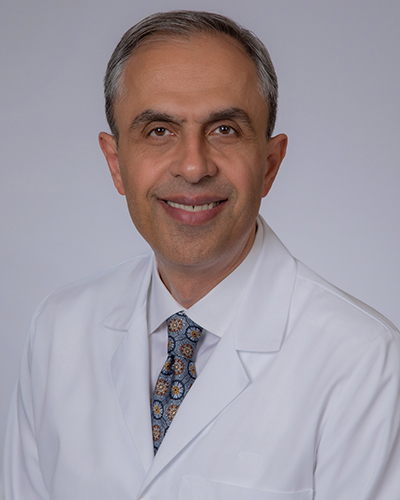
Why should you have your surgery with Dr. Cohen?
Dr. Cohen
- 7,500+ specialized surgeries performed by your chosen surgeon
- More personalized care
- Extensive experience = higher success rate and quicker recovery times
Major Health Centers
- No control over choosing the surgeon caring for you
- One-size-fits-all care
- Less specialization
For more reasons, please click here.
Additional Notable Institutions
- UCLA Health: among the best brain tumor treatment centers America offers, treating 800+ patients each year
- Barrow Neurological Institute: one of the largest dedicated neuroscience centers worldwide
- Cleveland Clinic: consistently ranked among the best hospitals for brain cancer treatment
- Duke Neurosurgery: highly ranked globally with strong National Institutes of Health research funding
These institutions represent the gold standard in neurosurgical care and, for many patients, are excellent choices. However, rankings alone do not tell the full story.
What Hospital Rankings Don’t Tell You -The Hidden Reality
They Rank Institutions, Not Surgeons
A hospital might rank first among top neurosurgery hospitals, but that ranking reflects overall departmental performance, not that of the individual surgeon who would perform your procedure.
Within any major hospital, there can be dozens of neurosurgeons with various levels of experience and specialization.
Resident and Fellow Involvement
Top academic hospitals train future neurosurgeons. Residents and fellows are essential to this system and often participate in surgeries. Although this is standard practice, patients are not always fully aware of how much of their procedure will be performed by a trainee versus the attending surgeon.
Volume Does Not Equal Personalization
High surgical volume contributes to a hospital’s ranking. However, it can also mean shorter consultation times, less direct interaction with the lead surgeon, and/or care managed by multiple providers. In large systems, responsibilities might be distributed across a team rather than centered on one physician.
Wait Times Can Be Significant
Getting an appointment at a highly ranked hospital can take weeks or longer. For patients with an aggressive tumor, such as glioblastoma, time is a critical factor.
Rankings Reflect the Past
Rankings are based on historical data such as outcomes, surveys, and performance metrics from previous years. They might not reflect recent changes in the surgical staff or leadership.
How to Choose A Framework for Patients
Instead of focusing solely on finding the best brain tumor hospital in the world, patients should evaluate both the institution and the individual surgeon.
Questions to Ask the Neurosurgeon
- Who will perform my surgery?
- How many times have you done this exact procedure?
- What is your complication rate?
- May I speak with former patients?
- What are my treatment alternatives?
These questions are often more meaningful than rankings alone.
When Best Hospitals for Brain Surgery Is the Right Choice
- Need for clinical trials
- Pediatric neurosurgery
- Multispecialty coordination
When a Private Specialist Could Be a Better Fit
- Subspecialty expertise for best outcomes
- Need faster access to care
- Want more personalized attention
- Desire to know your surgeon directly
- Need or want a second opinion
The Case for a Private, Fellowship-Trained Specialist
Although top-ranked hospitals dominate lists of the best brain cancer hospitals, many patients benefit from working with a private, highly specialized neurosurgeon.
What a Private Specialist Offers
- Clear accountability; you know exactly who will be performing your surgery
- Continuity of care from the first consultation through to treatment and recovery
- Faster scheduling
- Direct communication with the surgeon
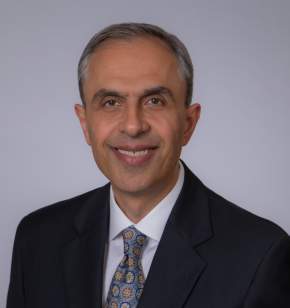
Aaron Cohen-Gadol, MD
Conclusion
The United States is home to many of the top hospitals for neurosurgery and brain cancer treatment in the world. Institutions such as Mayo Clinic, UCSF Medical Center, and The Johns Hopkins Hospital have earned their reputation through decades of excellence.
However, rankings are only a starting point. The most important factor in brain surgery is not the hospital’s name; the skill, experience, and accountability of the surgeon who performs your surgery are what count the most.
The best hospital for brain tumor surgery is the one that connects you with the right surgeon for your specific condition, someone who has performed your operation many times, communicates clearly, and takes personal responsibility for your outcome.
In the end, the goal is not to find the best hospitals for brain surgery on a list but to find the right hands for your care.
Getting There
The clinic is located at Cedars Towers East which is at 8631 W 3rd Street, Suite 815E, Los Angeles, CA 90048, near Beverly Grove. It’s easily accessible from San Vicente Boulevard or La Cienega Boulevard. Paid parking is available in the adjacent structure and limited street parking can be found nearby. For navigation, entering “8631 W 3rd St” into the GPS will direct you to the main entrance.
The entrance to the Cedars Towers East parking garage is on Sherbourne Drive, located just north of 3rd Street. It is a self-parking garage with the address 217 S Sherbourne Dr, Los Angeles, CA. The entrance is on the right if you are traveling south on Sherbourne, or on the left if you are traveling north on Sherbourne. You then need to take the parking elevators to the plaza level and then cross the short bridge to use the East elevators to reach the 8th floor (suite 815.) Allow extra time for traffic and parking, especially during weekday mornings.