How to Find the Best Neurosurgeon for Skull Base Surgery for Your Tumor

- Who Is a Neurosurgeon With Expertise in Skull Base Surgery?
- Who Is the Best Neurosurgeon for Skull Base Surgery?
- Why Choose Dr. Cohen-Gadol as the Best Neurosurgeon for Skull Base Surgery?
- Conditions Treated by Skull Base Surgery Specialists
- Benefits of Choosing an Experienced Skull Base Neurosurgeon
- How to Select the Best Neurosurgeon for Your Condition
- When Should You See a Skull Base Neurosurgeon?
- Frequently Asked Questions
- Key Takeaways
- Getting There

When diagnosed with a tumor at the base of the brain or skull, choosing the right surgeon is one of the most important decisions a patient can make. Skull base tumors occur in one of the most complex anatomical areas of the body, where critical nerves, blood vessels, and brain structures are tightly packed. Because of this complexity, many patients seek a specialist who is highly trained in minimally invasive skull base surgery. This is a modern approach designed to remove tumors with greater precision and less disruption to surrounding normal tissue.
Understanding how to identify the best neurosurgeon for skull base surgery and what qualities to look for can help patients feel confident about their treatment plan and improve the likelihood of a successful outcome.Patients searching for the best neurosurgeon for skull base surgery are often facing the diagnosis of a complex brain tumor or skull base condition that requires highly specialized care. Because the skull base contains critical nerves, blood vessels, and brain structures, surgery in this area demands exceptional precision and advanced training. Choosing a neurosurgeon with extensive experience in minimally invasive skull base surgery can improve surgical planning, help preserve neurological function, and maximize the likelihood of a successful outcome.
Who Is a Neurosurgeon With Expertise in Skull Base Surgery?
A neurosurgeon with expertise in skull base surgery is a physician who has undergone specialized training for diagnosing and treating tumors and abnormalities located at the base of the skull. This region sits between the brain and structures such as the eyes, ears, nose, and upper spinal cord.
Skull base surgeons must possess advanced knowledge of:
- Brain anatomy
- Cranial nerve function
- Complex vascular structures
- Endoscopic surgical techniques
Many skull base specialists complete additional fellowship training after their neurosurgery residency. This training focuses specifically on minimally invasive skull base surgery, including endoscopic and microsurgical techniques used to treat tumors in deep or delicate locations.
These surgeons frequently work as part of a multidisciplinary team that might include the following specialists:
- Ear, nose, and throat (ENT) surgeon
- Endocrinologist
- Radiation oncologist
- Neuro-ophthalmologist
This collaborative approach helps ensure that patients receive comprehensive care tailored to their specific diagnosis.
Minimally invasive skull base surgery has revolutionized treatment for tumors that were once extremely difficult to access. Rather than accessing the tumor via a large incision and using extensive brain manipulation, surgeons can often reach tumors through a natural corridor, such as the nasal passages or through a small keyhole opening. However, these advanced techniques require specialized training and extensive experience.
Who Is the Best Neurosurgeon for Skull Base Surgery?
There is no single best neurosurgeon for skull base surgery for every patient. Instead, the best surgeon is one who has significant experience treating your specific tumor type in the location in which it sits.
Several factors help identify a highly qualified skull base neurosurgeon.
- Extensive surgical experience: Surgeons who frequently perform minimally invasive skull base surgery typically achieve better outcomes because of their familiarity with complex anatomy and advanced surgical tools.
- Specialized training: Fellowship training in skull base surgery or neuro-oncology indicates that the surgeon has dedicated additional years to mastering these complex procedures.
- High surgical volume: Surgeons who work at a major brain tumor center often treat a high number of skull base tumors each year. This can improve their technical skills and patient outcomes.
- Patient education and communication: The best neurosurgeons take time to explain the diagnosis, treatment options, risks, and expected outcomes so that patients can make informed decisions.
- Multidisciplinary support: Top surgeons work in a center that offers advanced imaging, endocrinology support, and radiation therapy options when needed.
For patients considering minimally invasive skull base surgery, experience and specialization are often more important than geographic location alone.
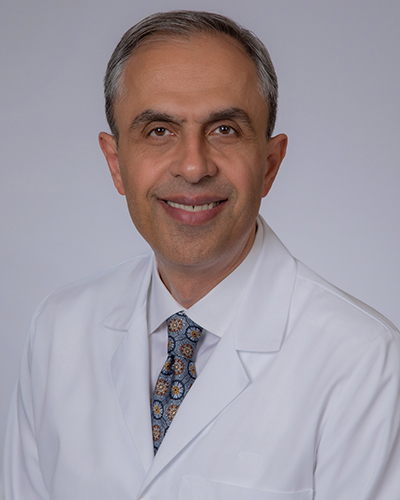
Why should you have your surgery with Dr. Cohen?
Dr. Cohen
- 7,500+ specialized surgeries performed by your chosen surgeon
- More personalized care
- Extensive experience = higher success rate and quicker recovery times
Major Health Centers
- No control over choosing the surgeon caring for you
- One-size-fits-all care
- Less specialization
For more reasons, please click here.
Why Choose Dr. Cohen-Gadol as the Best Neurosurgeon for Skull Base Surgery?
Because skull base tumors occur near essential brain structures, surgical precision is critical. Choosing a highly experienced neurosurgeon like Dr. Cohen-Gadol can significantly influence treatment success and long-term outcome.
The following are some key reasons to choose Dr. Cohen-Gadol as the best neurosurgeon for skull base surgery:
Improved surgical outcome: Experienced surgeons like Dr. Cohen-Gadol are often better equipped to remove a tumor completely while protecting nearby nerves and blood vessels.
Lower risk of complications: Complications such as cerebrospinal fluid leakage, nerve injury, and bleeding are less common when surgery is performed by a specialist with extensive experience, like Dr. Cohen-Gadol.
Advanced surgical techniques: Leading neurosurgeons like Dr. Cohen-Gadol frequently use modern technologies such as endoscopic visualization, intraoperative imaging, and surgical navigation systems. These tools are commonly used during minimally invasive skull base surgery to increase accuracy and safety.
Personalized Treatment Planning
Each skull base tumor is unique. A specialized neurosurgeon can design a treatment plan that may include surgery, observation, radiation therapy, or a combination of these approaches.
Conditions Treated by Skull Base Surgery Specialists
A neurosurgeon who specializes in minimally invasive skull base surgery treats a variety of conditions that affect the base of the brain.
Some of the most common conditions include the following:
- Pituitary adenomas: These tumors arise in the pituitary gland and can disrupt hormone production or affect vision. Many of them can be removed using endoscopic surgery through the nose.
- Meningiomas: Meningiomas originate from the protective membranes covering the brain and can compress nearby nerves when located at the skull base.
- Acoustic neuromas: Also known as vestibular schwannomas, these tumors affect the nerve responsible for hearing and balance.
- Craniopharyngiomas: These rare tumors occur near the pituitary gland and hypothalamus and can cause hormonal and neurological symptoms.
- Chordomas and chondrosarcomas: These rare bone tumors develop along the skull base and require specialized surgical techniques for safe removal.
- Cerebrospinal fluid leaks: Minimally invasive techniques can repair defects that allow spinal fluid to leak into the nasal passages.
Treating these conditions often requires the precision and expertise offered by a surgeon trained in minimally invasive skull base surgery.
Benefits of Choosing an Experienced Skull Base Neurosurgeon
Selecting an experienced skull base neurosurgeon offers several advantages for patients undergoing treatment.
- Greater surgical precision: Advanced training and extensive experience enable surgeons to navigate complex anatomy with exceptional accuracy.
- Access to minimally invasive techniques: Experienced specialists are more likely to offer minimally invasive skull base surgery, which can reduce surgical trauma and improve recovery time.
- Shorter recovery periods: Minimally invasive approaches often involve smaller incisions and therefore less postoperative pain and faster return to normal activities.
- Comprehensive care: Specialized centers provide coordinated care that might include endocrinology, radiation therapy, and rehabilitation services.
- Long-term monitoring: Patients benefit from structured follow-up programs to monitor for tumor recurrence and manage ongoing symptoms.
How to Select the Best Neurosurgeon for Your Condition
Finding the right neurosurgeon for your tumor involves careful research and consultation. The following steps can help guide the process:
- Research specialist experience: Look for neurosurgeons who focus specifically on skull base tumors and regularly perform minimally invasive skull base surgery.
- Review credentials and training: Board certification, fellowship training, and academic involvement can indicate advanced expertise.
- Evaluate hospital resources: Major neurological centers often provide access to advanced imaging, specialized surgical equipment, and a multidisciplinary care team.
- Seek a second opinion: Consulting more than one specialist can help confirm your diagnosis and ensure that all treatment options have been considered.
- Ask questions during consultation: Important questions include the following:
- How many similar surgeries have you performed?
- What surgical approach do you recommend?
- What are the expected risks and outcomes?
Taking time to select the right surgeon can make a significant difference in both surgical success and your overall experience.
When Should You See a Skull Base Neurosurgeon?
Patients should seek evaluation from a skull base neurosurgeon whenever imaging reveals a tumor or abnormality located near the base of the brain, or when neurological symptoms suggest a condition affecting this complex anatomical region. Early consultation allows patients to understand all available treatment options, including observation, minimally invasive surgery, radiation therapy, or a combination of approaches.
You should consult a skull base specialist if you experience:
- Persistent headaches associated with a diagnosed skull base tumor
- Vision changes or double vision
- Hearing loss or ringing in the ears
- Facial numbness, weakness, or pain
- Balance or coordination problems
- Hormonal abnormalities caused by pituitary tumors
- Difficulty swallowing or speaking
A newly diagnosed skull base meningioma, pituitary adenoma, acoustic neuroma, chordoma, or craniopharyngioma
Prompt evaluation by an experienced skull base surgeon helps ensure an accurate diagnosis and allows treatment to be tailored to your individual condition.
Frequently Asked Questions
Who is the best skull base neurosurgeon in the world?
There is no universally recognized “best” skull base neurosurgeon; expertise varies by tumor type, surgical approach, and medical center. However, highly experienced surgeons who specialize in minimally invasive skull base surgery and have treated a large number of skull base tumors are generally considered leaders in the field.
What is the best hospital for pituitary tumor surgery in the United States?
Several major medical centers in the United States are recognized for their expertise in pituitary and skull base surgery. These institutions typically have a dedicated brain tumor program, advanced imaging technology, and a multidisciplinary team experienced in minimally invasive skull base surgery.
Who performs skull base surgery?
Skull base surgery is typically performed by a neurosurgeon with specialized training in skull base procedures. In many cases, surgery is performed by a collaborative team that includes both a neurosurgeon and an ear, nose, and throat surgeon, particularly when the procedure involves an endoscopic approach through the nasal passages.
Key Takeaways
Choosing the right surgeon is a critical step for anyone facing a skull base tumor diagnosis. Because these tumors occur near vital brain structures, experience and specialized training are essential for safe and effective treatment.
Advances in minimally invasive skull base surgery have made it possible to remove many skull base tumors with less disruption to surrounding tissue, shorter recovery times, and improved patient outcomes.
By researching specialists carefully and seeking care from an experienced skull base surgeon, patients can approach treatment with greater confidence and clarity.
Getting There
The clinic is located at Cedars Towers East which is at 8631 W 3rd Street, Suite 815E, Los Angeles, CA 90048, near Beverly Grove. It’s easily accessible from San Vicente Boulevard or La Cienega Boulevard. Paid parking is available in the adjacent structure and limited street parking can be found nearby. For navigation, entering “8631 W 3rd St” into the GPS will direct you to the main entrance.
The entrance to the Cedars Towers East parking garage is on Sherbourne Drive, located just north of 3rd Street. It is a self-parking garage with the address 217 S Sherbourne Dr, Los Angeles, CA. The entrance is on the right if you are traveling south on Sherbourne, or on the left if you are traveling north on Sherbourne. You then need to take the parking elevators to the plaza level and then cross the short bridge to use the East elevators to reach the 8th floor (suite 815.) Allow extra time for traffic and parking, especially during weekday mornings.