Living With Pineoblastoma

- Adjusting to Life After Diagnosis
- Managing Symptoms and Treatment Side Effects
- Addressing Emotional and Psychological Needs
- Long-Term Care and Monitoring
- Finding Strength and Hope
- Need Guidance After a Pineoblastoma Diagnosis?
- Why Patients and Families Choose Dr. Cohen-Gadol
- FAQs
- Key Takeaways
- References
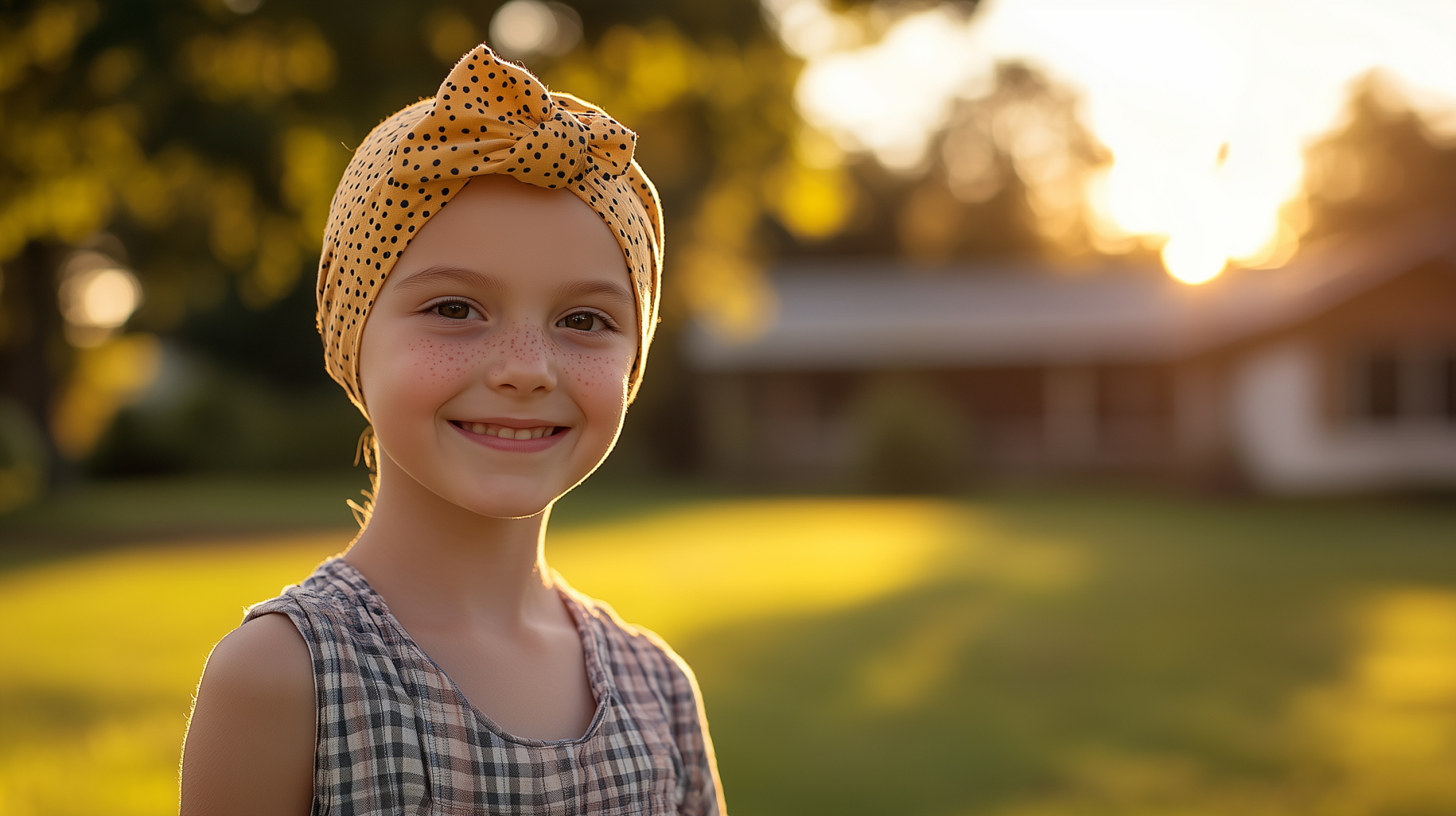
A diagnosis of pineoblastoma is life-changing, impacting not only the patient but also their loved ones and caregivers. This rare, aggressive brain tumor develops in the pineal gland, a small organ deep within the brain.
Living with pineoblastoma involves managing symptoms, undergoing treatment, and focusing on maintaining quality of life. This article will discuss how patients and caregivers can navigate the journey ahead, focusing on symptom management, emotional support, and long-term care.
Adjusting to Life After Diagnosis
A pineoblastoma diagnosis brings a range of emotions and uncertainties. The period after diagnosis is a time for patients and families to process the news and prepare for treatment and adjustments in their lives.
- Understanding the Diagnosis: Learning about pineoblastoma, its causes, and the prognosis can help patients feel informed and empowered. Healthcare providers are essential in guiding patients and families through available treatment options and helping them feel supported along the way.
- Building a Support System: Facing a serious illness requires a strong network. Family, friends, and healthcare teams are vital, and support groups can connect patients and caregivers with others who share similar experiences, providing emotional comfort and practical support.
Managing Symptoms and Treatment Side Effects
Living with pineoblastoma means dealing with symptoms like headaches, nausea, and vision changes, as well as the side effects of treatments such as surgery, radiation, and chemotherapy.
Why should you have your surgery with Dr. Cohen?
Dr. Cohen
- 7,500+ specialized surgeries performed by your chosen surgeon
- More personalized care
- Extensive experience = higher success rate and quicker recovery times
Major Health Centers
- No control over choosing the surgeon caring for you
- One-size-fits-all care
- Less specialization
For more reasons, please click here.
Medical Management
While treatments aim to control tumor growth and improve pineoblastoma survival rates, they can bring side effects. Physicians may prescribe medications to help manage these, and regular follow-ups are crucial to ensure any new symptoms are promptly addressed.
Lifestyle Adjustments
Small lifestyle changes, like maintaining a balanced diet and a regular sleep routine, can help manage symptoms. Gentle activities like walking or yoga may also boost well-being. Patients should consult their healthcare team before making any significant adjustments.
Addressing Emotional and Psychological Needs
Living with a serious illness impacts not just physical health but also emotional and mental well-being. Coping with feelings of fear, anxiety, or uncertainty is a natural part of this journey.
- Counseling and Therapy: Psychological support, such as counseling, offers a space to process emotions and develop coping strategies. Seeing a mental health professional experienced with serious illnesses can be especially helpful.
- Support Groups: Connecting with others who understand the challenges of living with a pineoblastoma brain tumor can bring comfort. Support groups allow patients and families to share experiences and receive encouragement from peers.
- Mindfulness and Relaxation Techniques: Practices like meditation, deep breathing, or gentle yoga can help reduce stress. Adding these activities into daily routines may help patients find moments of calm and focus.
Long-Term Care and Monitoring
Pineoblastoma treatment doesn’t end after initial therapy; ongoing care is essential for managing long-term health and well-being.
- Follow-Up Care: Regular check-ups are necessary to monitor for any tumor recurrence and manage side effects. Imaging tests like MRIs are often part of this process, and follow-ups provide an opportunity to address any new concerns.
- Managing Late Effects: Some treatment side effects, known as late effects, can appear months or years later. These might include hormonal imbalances or cognitive difficulties, which may require attention from various specialists.
- Planning for the Future: Living with pineoblastoma may bring questions about life expectancy and long-term health. Open communication with the healthcare team can help set realistic expectations and support thoughtful planning for the future.
Finding Strength and Hope
Despite the challenges this condition brings, many patients find ways to live meaningful, fulfilling lives. Maintaining a positive outlook can make a significant difference throughout the process.
- Celebrating Progress: Recognizing small victories, such as completing a treatment round or managing a symptom better, can lift spirits. Every step forward is worth celebrating.
- Setting Realistic Goals: Goals can give a sense of purpose, whether related to health, hobbies, or family time. Small, achievable goals can make daily life more manageable and rewarding.
- Relying on Strengths: Everyone has unique strengths that help them cope. Whether it’s support from loved ones, faith, or inner resilience, leaning on these strengths can provide comfort and motivation.
Navigating life with pineoblastoma is challenging, but patients and caregivers don’t have to face it alone. Building a strong support system, working closely with healthcare providers, and maintaining a hopeful outlook can help patients tackle the road ahead. With resilience, compassion, and comprehensive care, strength and hope can guide the way through this journey.
Need Guidance After a Pineoblastoma Diagnosis?
Living with pineoblastoma can be difficult to process, but you don't have to cope with it alone. An expert review can help you better understand your treatment options, recovery expectations, and long-term care plan.
- Expert Second Opinions
- Virtual Consultations Available
- Personalized Treatment Recommendations
Why Patients and Families Choose Dr. Cohen-Gadol
A diagnosis of pineoblastoma often comes with difficult decisions and many unanswered questions. Patients and caregivers seek Dr. Aaron Cohen-Gadol for his extensive experience treating complex brain tumors, personalized approach to care, and commitment to helping families understand every available treatment option open to them. Whether reviewing imaging, discussing surgery, or coordinating long-term care, Dr. Cohen-Gadol provides individualized recommendations tailored to each patient's unique situation.
FAQs
Can you survive pineoblastoma?
Yes, survival is possible, with five-year survival rates for pineoblastoma generally ranging between 60% and 85% for patients over 3 years old.
How long can you live with a pineal gland tumor?
Life expectancy with a pineal gland tumor varies widely, ranging from a few months to several decades. Overall, the relative five-year survival rate is around 75.5%. However, the exact outlook depends heavily on whether the tumor is benign or malignant, its specific type, and the patient's age.
Key Takeaways
- Living with pineoblastoma involves managing symptoms, undergoing treatment, and maintaining quality of life through a dedicated healthcare team.
- Medical care, lifestyle adjustments, and therapies can help address pineoblastoma symptoms and improve daily living.
- Emotional support, including therapy and support groups, is vital for coping with the mental and emotional aspects of the disease.
- Long-term care involves regular monitoring to check for tumor recurrence and manage any long-term effects of treatment.
- Staying hopeful, setting realistic goals, and finding support can help make living with pineoblastoma more manageable.