Overview of Arteriovenous Malformation Survival


Arteriovenous malformations (AVMs) are tangles of blood vessel with improper artery-to-vein connections. Most people experience symptoms only after rupture. With prompt medical attention and treatment, individuals can survive but may be left with neurological deficits due to the injury more likely caused by the brain hemorrhage and potentially the surgery to remove the AVM.
The road to recovery may include rehabilitation for some, or only small lifestyle changes for others. Read on to learn more about the recovery outlook of this condition and what life is like after treatment.
Outlook for Patients With Arteriovenous Malformations
The outlook for individuals diagnosed with an AVM can vary tremendously. Some patients may experience vague symptoms like headaches and seizures while others may never experience symptoms during their lifetime and remain undiagnosed. In most cases, individuals with AVMs do not experience symptoms until rupture.
AVM rupture is life threatening, with up to 10% of cases being fatal. Although most individuals survive, some may experience neurological deficits depending on the location of the bleed and require extensive rehabilitation to regain functioning. Rupture of the AVM does not mean that the AVM has disappeared. In fact, a history of an AVM bleed increases the chance of the AVM bleeding again in the future, particularly within the first year after the initial rupture. Thus, treatment options must be strongly considered.
Surgery, sometimes in combination with endovascular embolization or radiosurgery, can completely remove and cure an AVM. The likelihood of surgery producing a lasting cure with minimal neurological deficits depends on many factors. A low-grade AVM is most amenable to complete surgical cure with good outcomes.
Without treatment, the chance of AVM rupture is approximately 2 – 4% each year. This can be higher in patients with a history of rupture, or in AVMs that are associated with aneurysms or are placed under higher pressure (such as if it is located deep within the brain). Each patient and AVM are unique, and there is no single best treatment option for everyone. A thorough discussion with your medical team to weigh the risk of treatment against the risk of future rupture is critical to plan the way forward.
Living With an AVM
Living with an AVM can be challenging, especially if you and your neurosurgeon have discussed that observation is the best management strategy at this time. Although the AVM may not produce symptoms, the mental and emotional toll of living with an AVM and the potential risk of rupture can be tiring and stressful. Although AVM rupture can be unpredictable, there are several aspects of life that you can control to favor the best possible outcomes.
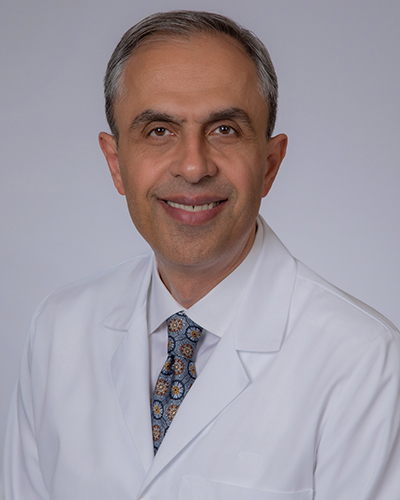
Why should you have your surgery with Dr. Cohen?
Dr. Cohen
- 7,500+ specialized surgeries performed by your chosen surgeon
- More personalized care
- Extensive experience = higher success rate and quicker recovery times
Major Health Centers
- No control over choosing the surgeon caring for you
- One-size-fits-all care
- Less specialization
For more reasons, please click here.
What You Can Do
- Maintain a healthy diet and regular exercise. This is advised time after time, but it can be surprising how significant an impact this can have on your energy level, mood, and overall well-being.
- Learn more about your condition. This allows you to make informed decision about your treatment plan and can help to facilitate discussion with your doctors.
- Attend all of your medical appointments, take your prescribed medications as directed, and manage your other medical conditions. Staying on top of other medical conditions will ensure that you are in the best possible condition for any medical situations that arise due to your AVM.
Many individuals can live full and active lives after the diagnosis of an AVM. However, some patients may experience neurological deficits after AVM rupture, or after treatment. In addition, treatment may not always go exactly as intended. AVM surgery is one of the most technically challenging operations in neurosurgery, and although complete removal is often the goal, unexpected complications can arise during the operation.
Joining a support network can help to provide reassurance, emotional support, and guidance for many patients and families. Several organizations such as the Brain Aneurysm Foundation and the Aneurysm and AVM Foundation provide information on how to connect with other AVM patients and families. Online forums also offer another way to communicate, though remember to stay internet safe and keep your personal and sensitive information private.
Conclusion
AVM patients can experience a wide range of challenges after diagnosis. Some individuals need substantial rehabilitation therapy due to AVM rupture, while others may resume their normal lives after a short recovery period in the hospital. The road to recovery is a unique journey for each patient. Keeping up with your medical appointments and instructions, maintaining good overall health, and learning more about your condition are things you can do to promote the best possible outcomes.
Key Takeaways
- Many individuals survive AVMs and live full and active lives.
- Some patients may experience neurological deficits after AVM rupture or treatment.
- Support groups can provide reassurance, emotional support, and guidance.
- In general, the prognosis of an AVM is good with attentive monitoring and treatment.