Recovery Outlook for Cushing's Disease

- Remission After Surgery
- What Is the Life Expectancy for Cushing’s Disease?
- Long-Term Effects of Cushing’s Disease
- Long-Term Remission
- Can Cushing’s Syndrome Be Fatal?
- Is Cushing’s Disease a Terminal Illness?
- Life After Cushing’s Disease
- Adrenal Function Recovery
- Your Recovery Doesn't End After Surgery
- FAQs
- Key Takeaways

Cushing's disease is a rare medical condition characterized by excess "stress hormone" (cortisol) production in the body. This is due to the presence of a certain type of brain tumor arising from the pituitary gland. The tumor secretes a hormone that triggers the release of cortisol. Although these hormones have normal functions in the body, too much of it can cause problems.
The symptoms of Cushing's disease are diverse and can include noticeable weight gain, particularly in the upper body and face, elevated blood pressure, thin and delicate skin, and various other manifestations. Surgery, sometimes with radiation therapy, aims to remove the tumor, improve symptoms, and prevent complications. In this article, we discuss the course of this disorder, potential long-term effects, and its impact on life after treatment.
Remission After Surgery
Initial remission rates after transsphenoidal surgery range from ~59% to 95%.
Example real-world data: remission reached 82.7% in a clinical cohort.
Other cohorts report ~72.3% initial remission.

What Is the Life Expectancy for Cushing’s Disease?
The life expectancy for patients with Cushing's disease can vary depending on several factors, including the duration of symptoms, effectiveness of treatment and the presence of any underlying health issues. Generally, with appropriate diagnosis and management, many people with Cushing's disease can have a normal life expectancy. However, delays in treatment can increase the risk of long-term complications.
While excess cortisol is not immediately dangerous, its impact on the cardiovascular system, metabolism, and sugar levels can lead to other health conditions such as high blood pressure (hypertension), obesity, heart disease and diabetes – all of which can contribute to poor health and increase the risk of stroke, heart attack, and death.
Early detection and timely treatment are crucial to reduce the risk of complications associated with the disease. Treatment options, such as surgery and in some cases radiation therapy, can significantly alleviate or resolve symptoms in most patients.
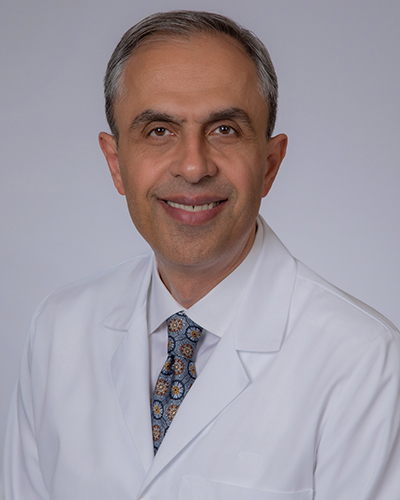
Why should you have your surgery with Dr. Cohen?
Dr. Cohen
- 7,500+ specialized surgeries performed by your chosen surgeon
- More personalized care
- Extensive experience = higher success rate and quicker recovery times
Major Health Centers
- No control over choosing the surgeon caring for you
- One-size-fits-all care
- Less specialization
For more reasons, please click here.
Long-Term Effects of Cushing’s Disease
Cushing's disease, if left untreated or inadequately managed over the long term, can have various effects on the body. Some of the long-term effects of excess cortisol in Cushing's disease include:
- Cardiovascular Complications: Hypertension (high blood pressure), atherosclerosis (hardening of the arteries) can increase the risk of cardiovascular diseases such as heart attacks and strokes.
- Metabolic Disturbances: Insulin resistance and glucose intolerance can lead to an increased risk of developing diabetes or worsening of glucose control in patients with diabetes.
- Osteoporosis: Cortisol can decrease bone density, causing osteoporosis and making bones more susceptible to fractures.
- Immune System Suppression: Long-term immune system suppression in Cushing's disease, caused by excess cortisol, weakens the body's ability to fight off infections.
- Mood Changes and Psychological Consequences: Mood swings, anxiety, depression, and cognitive impairment can occur in Cushing's disease patients. These psychological consequences can significantly impact an individual's emotional well-being and overall quality of life.
- Weight Gain and Obesity: Long-term side effects of Cushing's disease often include significant and persistent weight gain, leading to obesity. This weight gain is typically characterized by the accumulation of fat in specific areas, such as the face, neck, and upper body (truncal obesity), while the arms and legs may remain relatively slender. The condition is often referred to as "central" obesity.
- Skin Problems: The skin may become thin and fragile, making it prone to easy bruising. Additionally, individuals may develop purple stretch marks (striae) on the skin, especially in areas with weight gain.
Even after a "cure" with treatment, the biological changes that occur due to prolonged exposure to high levels of cortisol can be difficult to fully reverse. Returning to your normal weight and regaining your energy level can take substantial time and effort.
Long-Term Remission
In one study, 92% of patients remained in remission after early success.

Can Cushing’s Syndrome Be Fatal?
- Some studies report recurrence around 20.6% with mean time ~40 months.
- Long-term studies show recurrence can reach up to 41%.

Cushing's syndrome is the collection of signs, symptoms, and medical findings caused by prolonged exposure to high levels of cortisol. This can be due to a tumor in the pituitary gland, in which case the condition is called Cushing's disease, or other non-pituitary causes such as excessive intake of corticosteroid medications.
In untreated Cushing's syndrome, the primary cause of death is often related to cardiovascular complications. The excessive production of cortisol in Cushing's syndrome can lead to hypertension (high blood pressure), insulin resistance, dyslipidemia (abnormal lipid levels), and obesity, all of which contribute to an increased risk of cardiovascular diseases.
Is Cushing’s Disease a Terminal Illness?
Cushing's disease itself is not considered a terminal illness. With proper diagnosis, treatment, and management, many individuals with Cushing's disease can lead normal, healthy lives. The primary goal of treatment is to control the excessive cortisol production, alleviate associated symptoms, and prevent health complications.
Life After Cushing’s Disease
After successful treatment, many patients experience improvement or resolution of symptoms over time. However, some biological changes resulting from prolonged exposure to high cortisol levels can be difficult to reverse. For instance, it may be challenging to return to your normal weight, especially if it has taken years to receive the correct diagnosis and appropriate treatment.
Certain changes, such as atherosclerosis, may be permanent and lead to persistently elevated blood pressures. Regular follow-up with your medical team will be important to monitor and manage any long-term effects of Cushing's disease. While it can take months to years to truly find and feel like yourself again, know that you have already made significant strides in your health journey and take one day at a time.
Adrenal Function Recovery
Median time to adrenal recovery is ~19 months after surgery.
Recovery rates:
- ~37.3% at 3 years
- ~55.8% at 5 years

Your Recovery Doesn't End After Surgery
Successful treatment is only the beginning of recovery. Regaining strength, restoring hormone balance, and improving your overall quality of life require ongoing care and monitoring. Dr. Aaron Cohen-Gadol provides individualized follow-up recommendations to help patients navigate each stage of recovery and address any concerns that may arise along the way.
FAQs
How long can someone live with Cushing's?
With successful treatment and remission, people with Cushing's syndrome can have a normal life expectancy, with studies showing a median survival of about 40 years post-cure.
What is the cause of Cushing's syndrome?
Cushing's syndrome is caused by having too much of the hormone cortisol in the body, which happens due to taking steroid medicines, pituitary tumors, or adrenal gland tumors.
Key Takeaways
In general, individuals with Cushing's disease, when diagnosed and managed appropriately, can expect to have a normal life expectancy.
Transsphenoidal surgery is the primary treatment and has a success rate of around 80-85%, leading to either cure or alleviation of symptoms in many cases.
It is crucial for individuals with Cushing's disease to manage their condition effectively to mitigate the cardiovascular risks.