Best Hospitals in Los Angeles for Brain Surgery 2026–2027: What to Consider Beyond the Rankings

- Best Hospitals in Los Angeles for Brain Surgery and Why They’re Recognized
- Questions to Ask Before Choosing a Brain Surgeon in Los Angeles
- What the Rankings Do Not Tell You
- Navigating the Los Angeles Neurosurgical Landscape
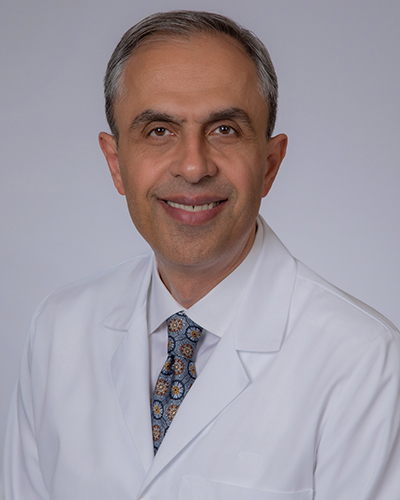
- Aaron Cohen-Gadol, MD and Complex Brain Surgery in Los Angeles
- FAQs
- Final Thought
- Getting There

Los Angeles is home to some of the most recognized hospitals in the world. For patients confronting a serious diagnosis such as a brain tumor, names such as Cedars-Sinai Medical Center or UCLA Health immediately inspire confidence. These institutions are associated with cutting-edge technology, celebrity physicians, and nationally ranked programs that appear regularly on “best hospitals” lists.
Such a reputation matters, but an important question arises: Does a hospital’s overall ranking guarantee that you are getting the best individual surgeon for your specific operation?
For many patients, the answer is more complicated than they expect.
Hospital rankings can provide a useful starting point, especially when evaluating safety standards, infrastructure, and research capabilities. However, rankings rarely tell patients who will actually perform their surgery, how much experience that surgeon has with their exact condition, or how personalized their care experience will be.
In Los Angeles, where world-class institutions coexist with elite private specialists, choosing the right path often means balancing the prestige of a major medical center against the precision and accessibility of an individual surgical expert.
Best Hospitals in Los Angeles for Brain Surgery and Why They’re Recognized
Media outlets such as U.S. News & World Report and Newsweek evaluate hospitals using factors such as patient outcomes, quality of care, specialty expertise, research, and professional recognition. The following list highlights leading Los Angeles hospitals for neurological and neurosurgical care alongside a notable neurosurgeon associated with each institution.
Questions to Ask Before Choosing a Brain Surgeon in Los Angeles
Why should you have your surgery with Dr. Cohen?
Dr. Cohen
- 7,500+ specialized surgeries performed by your chosen surgeon
- More personalized care
- Extensive experience = higher success rate and quicker recovery times
Major Health Centers
- No control over choosing the surgeon caring for you
- One-size-fits-all care
- Less specialization
For more reasons, please click here.
What the Rankings Do Not Tell You
Although these hospitals deserve their reputation, rankings alone do not tell the whole story.
The first hidden reality is the difference between the department and the individual surgeon.
Hospitals rank highly because of aggregate data such as overall surgical outcomes, nursing quality, patient safety metrics, institutional resources, and collective physician reputation. However, when it comes time for surgery, your outcome depends on one surgeon standing at the operating table.
In a large Los Angeles academic system, patients are not always treated by the most senior or most specialized surgeon in the department. Depending on scheduling, insurance alignment, and referral pathways, a patient could be assigned to a relatively junior faculty member despite choosing a hospital with a top-5 national ranking. In fact, a large portion of faculty members in these institutions are dedicated to research; surgery is a small portion of their career.
For highly specialized surgeries, such as those for skull base tumors, petroclival meningiomas, or deep-seated gliomas, that distinction can matter enormously.
Another factor patients often underestimate is the role of residents and fellows.
At Los Angeles’s major teaching hospitals, surgeons-in-training are deeply integrated into the operating room. This model is fundamental to academic medicine and helps train the next generation of neurosurgeons. However, many patients are surprised to learn that portions of their operation, including opening, exposure, closure, and sometimes more technically demanding steps, might involve resident participation.
Patients should feel comfortable asking direct questions about who will perform each portion of the surgery and whether the attending surgeon will be present for the entire operation.
There is also the issue of bureaucracy.
At top-ranked hospitals, obtaining an appointment can involve multiple layers of administrative coordination, insurance approvals, and prolonged scheduling delays. Patients can wait weeks or longer for a consultation, only to spend limited face-to-face time with the lead surgeon.
For those with rapidly progressing neurological symptoms, that delay can become more than frustrating. It can become clinically significant.
Postoperative care can also feel fragmented in a large system. Recovery is often managed by a rotating team of residents, advanced practice providers, hospitalists, and nursing staff. The “surgeon of record” might not be the one who checks on the patient every day after surgery.
For some patients, that institutional structure is reassuring. For others, it feels impersonal during one of the most vulnerable moments of their lives.
Navigating the Los Angeles Neurosurgical Landscape
Choosing between a major academic institution and a focused private surgical practice depends heavily on the patient’s goals and condition.
There are certainly situations in which a large academic center is the best option. Patients who require access to rare clinical trials, advanced experimental therapies, or highly specialized multidisciplinary support can benefit from an institution such as UCLA Health or Cedars-Sinai Medical Center.
Patients with a complex systemic illness might also favor larger hospital ecosystems capable of coordinating care across multiple specialties simultaneously.
However, many patients are not searching for a research institution. They want instead the most experienced surgeon possible for a very specific surgery.
In such cases, a focused private-practice model can offer major advantages such as direct communication with the surgeon, faster access to consultations and surgery, continuity of care, and clarity regarding who will operate.
Patients evaluating surgeons in Los Angeles should ask a direct but essential question:
“At this hospital, who exactly will be making the incision and performing the surgery, and how many times have you personally performed this exact procedure in this building?” Unfortunately, most of the time, the answers cannot be reliably verified.
The answers to these questions often reveal more than any ranking ever could.
Aaron Cohen-Gadol, MD and Complex Brain Surgery in Los Angeles
- How much experience do you have treating my specific condition?
- How frequently do you perform this particular procedure?
- Who will personally perform the critical portions of my surgery?
- What surgical approach do you recommend and why?
- What technologies may be used during the procedure?
- What are the potential risks and alternatives?
- Who will oversee my postoperative care?
- Would you recommend obtaining a second opinion?
FAQs
What is the best hospital for brain surgery in Los Angeles?
There is no single hospital that is best for every patient or neurological condition. Los Angeles has several leading neurosurgical centers, including UCLA Health, Cedars-Sinai Medical Center, Keck Medicine of USC, and Providence Saint John’s Health Center. Patients should consider both the hospital's resources and the experience of the individual surgeon treating their specific condition.
Who is a leading neurosurgeon for acoustic neuroma surgery in Los Angeles?
There is no single surgeon who is the best choice for every patient. For acoustic neuroma (vestibular schwannoma) surgery, patients should consider a surgeon's experience with acoustic neuromas, skull base surgery, and procedures involving the cranial nerves. Aaron Cohen-Gadol, MD, specializes in complex brain and skull base surgery, including acoustic neuromas, and is affiliated with Cedars-Sinai Medical Center.
How should I choose a brain surgeon in Los Angeles?
Consider the surgeon's subspecialty, experience with your specific diagnosis, frequency of performing the required procedure, proposed surgical approach, and involvement throughout treatment. Hospital resources, multidisciplinary expertise, and access to appropriate technologies should also be considered.
Final Thought
Los Angeles may offer some of the finest medical infrastructure in the world, but choosing a hospital based solely on brand recognition could mean overlooking the most important factor in brain surgery: the surgeon.
The real issue is not simply which hospital ranks highest, but also where the most experienced surgeon for your specific condition has the best tools, the clearest plan, and the most direct commitment to your care.
Ultimately, the best hospital is the one at which surgical mastery and institutional excellence come together in the same operating room.
Getting There
The clinic is located at Cedars Towers East which is at 8631 W 3rd Street, Suite 815E, Los Angeles, CA 90048, near Beverly Grove. It’s easily accessible from San Vicente Boulevard or La Cienega Boulevard. Paid parking is available in the adjacent structure and limited street parking can be found nearby. For navigation, entering “8631 W 3rd St” into the GPS will direct you to the main entrance.
The entrance to the Cedars Towers East parking garage is on Sherbourne Drive, located just north of 3rd Street. It is a self-parking garage with the address 217 S Sherbourne Dr, Los Angeles, CA. The entrance is on the right if you are traveling south on Sherbourne, or on the left if you are traveling north on Sherbourne. You then need to take the parking elevators to the plaza level and then cross the short bridge to use the East elevators to reach the 8th floor (suite 815.) Allow extra time for traffic and parking, especially during weekday mornings.