Best Surgeon for Chondrosarcoma: Finding the Right Specialist for Advanced Care

- Who Is the Best Surgeon for Chondrosarcoma?
- What Is Chondrosarcoma?
- Why Chondrosarcoma Requires a Specialized Surgeon
- Who Treats Chondrosarcoma? Understanding the Role of Specialists
- Types of Chondrosarcoma Specialists Involved in Care
- Qualities of the Best Surgeon for Chondrosarcoma
- Importance of a Multidisciplinary Approach to Chondrosarcoma Treatment
- How to Choose the Best Chondrosarcoma Specialist Near You
- Frequently Asked Questions
- Key Takeaways
- Getting There
A diagnosis of chondrosarcoma can feel overwhelming and frightening. This rare cancer of the cartilage requires highly specialized care, and choosing the best surgeon for treating it is one of the most important decisions you can make. Because chondrosarcoma behaves differently from many other cancers, treatment success depends heavily on surgical expertise and access to experienced chondrosarcoma specialists.
This patient-focused guide explains what chondrosarcoma is, who treats it, and how to identify the best surgeon for chondrosarcoma and the care team to support you through diagnosis, treatment, and recovery.
Who Is the Best Surgeon for Chondrosarcoma?
The best surgeon for chondrosarcoma treatment is one who has extensive experience treating this rare cancer, works within a multidisciplinary team, and practices at a high-volume center for chondrosarcoma care.
Several internationally recognized surgeons are often referenced in discussions about complex skull base, spinal, and musculoskeletal tumors, including chondrosarcoma:
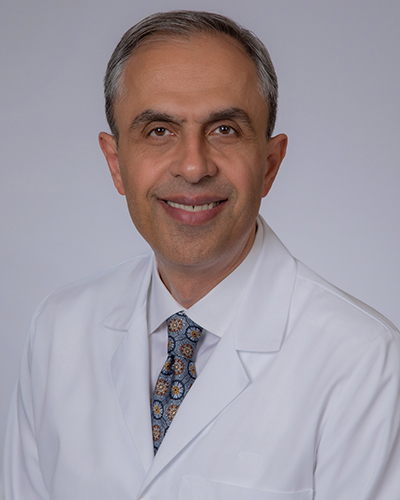
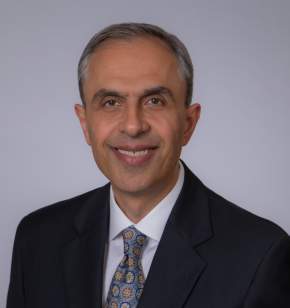
Aaron Cohen-Gadol, MD

Known for his expertise in complex cranial and skull base tumors, including rare chondrosarcoma tumors that involve critical neurological structures. He has performed over 7,500 tumor surgeries and has world-class expertise in minimally invasive resection of chondrosarcomas through endoscopic techniques.
Why should you have your surgery with Dr. Cohen?
Dr. Cohen
- 7,500+ specialized surgeries performed by your chosen surgeon
- More personalized care
- Extensive experience = higher success rate and quicker recovery times
Major Health Centers
- No control over choosing the surgeon caring for you
- One-size-fits-all care
- Less specialization
For more reasons, please click here.
Juan Carlos Fernandez-Miranda, MD

Recognized for his advanced skull base and minimally invasive endoscopic approaches, often used for chondrosarcomas in challenging locations.
Paul Gardner, MD

Although these surgeons are all highly respected, the right choice depends on your tumor’s location, grade, and complexity, and your access to a specialized chondrosarcoma specialist.
What Is Chondrosarcoma?
Chondrosarcoma is a rare type of cancer that develops in cartilage cells. Cartilage is a firm, flexible tissue found in joints, the rib cage, spine, pelvis, and skull base. Unlike many other cancers, chondrosarcoma typically grows slowly but can be aggressive depending on its grade and subtype. Common locations include the pelvis and hips, the shoulder and long bones, the spine, and the skull base.
Because chondrosarcoma often resists chemotherapy and radiation, surgery is usually the primary and most effective treatment.
Why Chondrosarcoma Requires a Specialized Surgeon
Chondrosarcoma is not a cancer that should be treated by a general neurosurgeon. Complete tumor removal with clear margins is critical and requires exceptional skill and experience.
A specialized neurosurgeon understands:
- How to remove the tumor while preserving nearby nerves, blood vessels, and organs
- The importance of achieving wide surgical margins to reduce the risk of recurrence
- How tumor grade and location influence surgical planning
This is why patients benefit from care by an experienced chondrosarcoma specialist who routinely manages complex sarcomas.
Who Treats Chondrosarcoma? Understanding the Role of Specialists
Treatment for chondrosarcoma typically involves a team rather than a single doctor. Although the surgeon leads all surgical care, several specialists are often involved, including:
- Medical oncologists
- Neurosurgeons (for spinal or skull base tumors)
- Head and neck surgeons
- Radiation oncologists
- Pathologists and radiologists
This team-based approach ensures accurate diagnosis, safe surgery, and appropriate follow-up care.
Types of Chondrosarcoma Specialists Involved in Care
Different chondrosarcoma specialists play unique roles depending on where the tumor is located.
- Orthopedic oncologists treat tumors in bones, joints, and limbs
- Neurosurgeons manage tumors involving the spine or skull base
- Head and neck surgeons address tumors near the face, jaw, or sinuses
- Radiation oncologists provide advanced radiation therapy when surgery is incomplete or not possible
The best surgeon for treating chondrosarcoma symptoms collaborates closely with these experts to create a personalized treatment plan.
Qualities of the Best Surgeon for Chondrosarcoma
When evaluating your options, look for these key qualities in a surgeon:
- Extensive experience with chondrosarcomas and rare bone tumors
- Specialized fellowship training in oncology, spine, or skull base surgery
- Access to advanced imaging and surgical technologies
- High surgical volume, which is linked to better outcomes
- Clear communication and patient-centered care
A surgeon who routinely works with chondrosarcoma specialists is better equipped to manage complex cases and unexpected challenges.
Importance of a Multidisciplinary Approach to Chondrosarcoma Treatment
Chondrosarcoma treatment is most effective when delivered through a multidisciplinary program. These programs bring together multiple specialists who meet regularly to discuss each case.
Benefits of a multidisciplinary approach include:
More accurate diagnosis and tumor grading
- Comprehensive treatment planning
- Reduced risk of recurrence
- Coordinated long-term follow-up care
Patients treated at a center with dedicated chondrosarcoma specialists often experience better outcomes and greater peace of mind.
How to Choose the Best Chondrosarcoma Specialist Near You
Finding the right care can feel daunting, but the following steps can help.
- Ask how many chondrosarcoma cases the surgeon treats each year.
- Confirm that your surgeon works with a multidisciplinary team.
- Request a second opinion if needed; this is common and encouraged.
- Be sure that you feel heard, informed, and supported.
The best surgeon for treating chondrosarcoma is not only technically skilled but also committed to guiding you through every step of care.
Frequently Asked Questions
What is the best treatment for chondrosarcoma?
Surgery is the primary and most effective treatment, and complete tumor removal by a surgeon offers the best chance for long-term control. Radiation therapy can be used in select cases.
What is the success rate of chondrosarcoma surgery?
Success rates vary on the basis of tumor size, grade, and location. For example, patients with a low-grade chondrosarcoma treated with complete surgical removal often have an excellent long-term outcome, whereas those with higher-grade tumors require closer monitoring.
How serious is chondrosarcoma?
Chondrosarcoma is a serious type of cancer, but its severity depends on the grade.
Low-grade tumors grow slowly and have a better prognosis.
High-grade tumors are more aggressive and can spread to other parts of the body.
Early diagnosis and complete treatment significantly improve outcomes.
What is the surgery for chondrosarcoma?
The main treatment is surgical removal (tumor resection). The goal is to completely remove the tumor with a margin of healthy tissue to prevent recurrence. For complex cases, especially at the skull base, advanced techniques may be used, and surgery is often performed by expert neurosurgeons such as Dr. Aaron Cohen-Gadol. In some situations, surgery may be combined with radiation therapy if full tumor removal is not safe.
Why is the surgeon’s expertise important in treating chondrosarcomas?
Chondrosarcomas are exceptionally rare tumors, with only a few hundred cases diagnosed each year in the United States. Because of their rarity, many neurosurgeons see very few cases throughout their careers. As a result, choosing a surgeon with extensive experience in skull base tumors and chondrosarcoma surgery can play a major role in achieving the best possible treatment outcome.
What is the difference between a chondrosarcoma and a chordoma?
Although both tumors develop in the skull base region, they arise from different locations. Chondrosarcomas usually develop along the lateral skull base, particularly in the petroclival area, while chordomas typically originate from the midline clivus. In general, chondrosarcomas tend to have a better prognosis, especially low-grade tumors, which may often be successfully treated with complete surgical removal alone. More aggressive or higher-grade tumors may also require radiation therapy after surgery.
What is the recovery time for chondrosarcoma surgery?
Recovery time varies significantly depending on the tumor’s location, the extent of the surgery, and the patient's overall health.
Key Takeaways
Choosing the best surgeon to treat chondrosarcoma is one of the most critical decisions you can make after receiving a diagnosis. Because this rare cancer requires specialized expertise, seeking care from experienced chondrosarcoma specialists at a multidisciplinary center can significantly affect your outcome and quality of life. With the right surgeon, a coordinated care team, and a personalized treatment plan, you can move forward with confidence, clarity, and hope.
Getting There
The clinic is located at Cedars Towers East which is at 8631 W 3rd Street, Suite 815E, Los Angeles, CA 90048, near Beverly Grove. It’s easily accessible from San Vicente Boulevard or La Cienega Boulevard. Paid parking is available in the adjacent structure and limited street parking can be found nearby. For navigation, entering “8631 W 3rd St” into the GPS will direct you to the main entrance.
The entrance to the Cedars Towers East parking garage is on Sherbourne Drive, located just north of 3rd Street. It is a self-parking garage with the address 217 S Sherbourne Dr, Los Angeles, CA. The entrance is on the right if you are traveling south on Sherbourne, or on the left if you are traveling north on Sherbourne. You then need to take the parking elevators to the plaza level and then cross the short bridge to use the East elevators to reach the 8th floor (suite 815.) Allow extra time for traffic and parking, especially during weekday mornings.