Best AVM Surgeons in US: Top AVM Doctors

- Who Is the Best AVM Surgeon in the US?
- What Is an AVM and Why Does Specialized Care Matter?
- What Makes an AVM Surgeon One of the Best?
- Who Are the Best AVM Surgeons in US?
- How to Choose the Right AVM Surgeon
- What Questions Should You Ask an AVM Surgeon?
- Recovery After AVM Treatment
- Conclusion
- When Should You See an AVM Specialist?
- Frequently Asked Questions
- Getting There
Finding the best arteriovenous malformation (AVM) surgeons in the US is one of the most important steps for patients facing a diagnosis of AVM. AVMs are complex, rare, and potentially life-threatening vascular conditions that require highly specialized care. Choosing the best AVM surgeons in US can significantly influence outcomes, recovery time, and long-term quality of life.
In this guide, we’ll explore what AVMs are, why expert treatment matters, and how to identify the best AVM surgeons in the US for your specific situation.
Being diagnosed with an arteriovenous malformation (AVM) can be difficult to process, and many patients begin searching for the best AVM surgeons in the U.S. to ensure they receive the highest level of specialized care. Because AVMs are rare and highly complex vascular abnormalities, treatment should be tailored to each patient's unique anatomy, symptoms, and risk of rupture. Consulting an experienced cerebrovascular neurosurgeon can help patients better understand their treatment options and improve long-term outcomes.
Who Is the Best AVM Surgeon in the US?
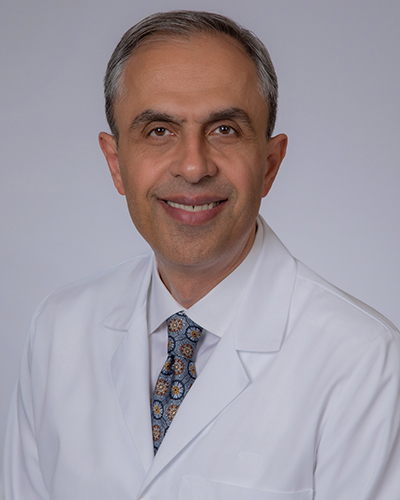
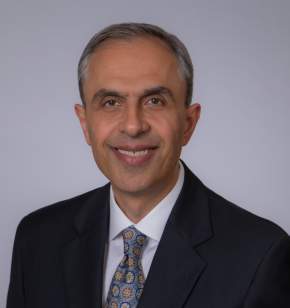
Many patients researching the best AVM surgeons in the US find Dr. Aaron Cohen-Gadol, a neurosurgeon widely respected for his experience in treating complex cerebrovascular disorders including AVMs with unmatched safety. Dr. Cohen-Gadol is known for combining microsurgical expertise with modern imaging and minimally invasive techniques.
Dr. Cohen-Gadol’s approach emphasizes patient-specific treatment planning, careful risk assessment, and collaboration with multidisciplinary teams to achieve the best possible outcomes.
He uses the most advanced technologies to provide surgical results not attainable elsewhere.
What Is an AVM and Why Does Specialized Care Matter?
An AVM is an abnormal tangle of arteries and veins that disrupts normal blood flow and oxygen circulation. AVMs occur most commonly in the brain but can also develop in the spine or other regions. If left untreated, AVMs can cause hemorrhage, seizures, neurological deficits, and/or stroke.
Specialized care is critical because AVMs vary widely in size, location, and complexity. The top AVM doctors have advanced training in cerebrovascular neurosurgery and access to technologies such as the following:
- High-resolution angiography
- Microsurgical and endovascular techniques
- Stereotactic radiosurgery
Their expertise allows them to tailor treatment plans and reduce the risks associated with AVM intervention.
Why should you have your surgery with Dr. Cohen?
Dr. Cohen
- 7,500+ specialized surgeries performed by your chosen surgeon
- More personalized care
- Extensive experience = higher success rate and quicker recovery times
Major Health Centers
- No control over choosing the surgeon caring for you
- One-size-fits-all care
- Less specialization
For more reasons, please click here.
What Makes an AVM Surgeon One of the Best?
When evaluating the best AVM surgeons in the US, several key factors set elite specialists apart.
- Extensive Experience: Top AVM surgeons treat a high volume of cases, including complex and high-risk AVMs. This experience improves decision-making ability and surgical precision. Very few surgeons have the experience to manage these complex AVMs.
- Multidisciplinary Approach: The best surgeons work closely with neurologists, interventional radiologists, radiation oncologists, and critical care teams.
- Advanced Technology Access: Leading AVM surgeons practice at hospitals equipped with state-of-the-art imaging, hybrid operating rooms, and radiosurgery platforms.
- Research and Publications: Many of the best AVM surgeons in the US contribute to research, clinical trials, and academic literature, helping advance AVM treatment worldwide.
Who Are the Best AVM Surgeons in US?
Top AVM surgeons in the US are typically found at specialized cerebrovascular centers staffed by other leading experts. They utilize advanced microsurgery, endovascular embolization, and radiosurgery to treat complex vascular malformations.
Below is a list of neurosurgeons frequently recognized for their expertise in AVM treatment. This is a representation of doctors often mentioned when discussing the top AVM doctors.
Each of these physicians practices at major academic or specialty hospitals known for treating cerebrovascular disorders.
Dr. Aaron Cohen-Gadol

Dr. Cohen-Gadol is respected for patient-centered care and experience with complex AVM cases. He has done surgery on many AVMs with unmatched results. His extensive experience with managing complex AVMs is the most impressive compared to any other surgeon in the world.
Dr. Michael T. Lawton

Dr. Lawton is known for complex brain AVM microsurgery and leadership in cerebrovascular neurosurgery.
Dr. Robert F. Spetzler
Dr. Spetzler is a pioneer in AVM grading systems and surgical innovation.
Dr. Gary K. Steinberg

Dr. Steinberg specializes in AVM surgery and radiosurgical treatments.
How to Choose the Right AVM Surgeon
Selecting from the best AVM surgeons in the US requires careful consideration beyond reputation alone. The following are practical steps to help guide your decision:
- Seek Multiple Opinions: AVM treatment strategies can differ; consulting more than one expert can clarify options.
- Ask About Case Volume: Surgeons who treat AVMs regularly tend to have better outcomes.
- Review Hospital Resources: Top AVM surgeons usually work at a comprehensive stroke or neurosurgical center.
- Discuss All Treatment Options: Surgery, embolization, radiosurgery, or observation may be recommended, depending on your particular AVM.
- Consider Communication Style: Clear explanations and a willingness to answer questions are essential for instilling patient confidence.
The right choice balances surgical expertise, hospital support, and personal comfort with the care team.
What Questions Should You Ask an AVM Surgeon?
Choosing an AVM specialist involves more than reviewing their credentials. During your consultation, asking the right questions can help you better understand your condition and make an informed treatment decision.
Consider asking:
- How many AVM procedures have you performed?
- Is my AVM suitable for surgery, embolization, radiosurgery, or observation?
- What are the risks of treatment compared with leaving the AVM untreated?
- What outcomes have patients with similar AVMs experienced?
- Will treatment require a multidisciplinary team?
- What is the expected recovery timeline?
- How often will follow-up imaging be needed after treatment?
Open communication with your neurosurgeon helps ensure that your treatment plan reflects your individual condition, goals, and overall health.
Recovery After AVM Treatment
Recovery varies depending on the AVM’s size and location, the treatment method used, and the patient's overall neurological condition. Some patients recover quickly after minimally invasive procedures, while others require several weeks or months following microsurgery or combined treatment. Regular follow-up appointments and imaging studies are essential for confirming complete AVM obliteration, monitoring neurological recovery, and detecting any potential recurrence or residual malformation. Rehabilitation therapies may also be recommended to help restore strength, balance, speech, or other neurological functions when necessary.
Conclusion
Choosing among the best AVM surgeons in the US can feel overwhelming, but informed research makes a meaningful difference. AVMs require specialized, individualized treatment, and the most successful outcomes are often achieved at high-volume centers with experienced cerebrovascular teams. By understanding what makes a surgeon exceptional and carefully evaluating your options, you can take confident steps toward effective and safe AVM care.
When it comes to your health or a loved one’s well-being, working with the best AVM surgeons in the US ensures access to the highest level of expertise and innovation in AVM treatment.
When Should You See an AVM Specialist?
Not every arteriovenous malformation requires immediate surgery, but every diagnosed one should be evaluated by a cerebrovascular neurosurgeon with experience in treating these complex vascular conditions. Early consultation allows specialists to determine the risk of rupture, evaluate neurological symptoms, and recommend the most appropriate treatment strategy.
You should seek evaluation if you experience:
- Sudden or severe headaches
- Seizures
- Weakness or numbness affecting one side of your body
- Difficulty speaking or understanding language
- Vision problems or double vision
- Balance or coordination difficulties
- A previously diagnosed AVM requiring treatment planning
- An AVM discovered incidentally during brain imaging
Prompt evaluation can help determine whether observation, microsurgery, endovascular embolization, stereotactic radiosurgery, or a combination of treatments offers the safest and most effective approach.
Frequently Asked Questions
What is the best hospital to treat an arteriovenous malformation?
Hospitals with dedicated cerebrovascular and neurosurgery programs (often large academic medical centers) are commonly considered the best for AVM treatment because of their experience and advanced technology.
How much does AVM surgery cost in the US?
AVM surgery costs can vary widely depending on complexity, hospital location, and treatment type. Costs can range from tens of thousands to more than $100,000 before insurance coverage.
Who is the top brain surgeon in the US?
There is no single “top” brain surgeon, but many neurosurgeons recognized as leaders in their subspecialty are frequently mentioned when discussing the best AVM surgeons in the US.
What is the #1 hospital in the US for neurology?
Several hospitals are often cited among the nation’s best for neurology and neurosurgery, particularly those with comprehensive stroke and cerebrovascular centers. Rankings can vary by source and year.
What do we call a specialist for arteriovenous malformation?
A specialist for arteriovenous malformation (AVM) is typically a cerebrovascular neurosurgeon, that is, a neurosurgeon with advanced training in treating complex blood vessel disorders of the brain and spine.
How successful is AVM surgery?
AVM surgery is highly successful, with complete removal (obliteration) rates often exceeding 90% for small to medium-sized, low-grade cases, offering a potential cure. Surgery often results in good functional outcomes in over 85–90% of cases, though risk increases with higher-grade or deeply located AVMs.
Getting There
The clinic is located at Cedars Towers East which is at 8631 W 3rd Street, Suite 815E, Los Angeles, CA 90048, near Beverly Grove. It’s easily accessible from San Vicente Boulevard or La Cienega Boulevard. Paid parking is available in the adjacent structure and limited street parking can be found nearby. For navigation, entering “8631 W 3rd St” into the GPS will direct you to the main entrance.
The entrance to the Cedars Towers East parking garage is on Sherbourne Drive, located just north of 3rd Street. It is a self-parking garage with the address 217 S Sherbourne Dr, Los Angeles, CA. The entrance is on the right if you are traveling south on Sherbourne, or on the left if you are traveling north on Sherbourne. You then need to take the parking elevators to the plaza level and then cross the short bridge to use the East elevators to reach the 8th floor (suite 815.) Allow extra time for traffic and parking, especially during weekday mornings.