How to Prepare for an MRI Scan

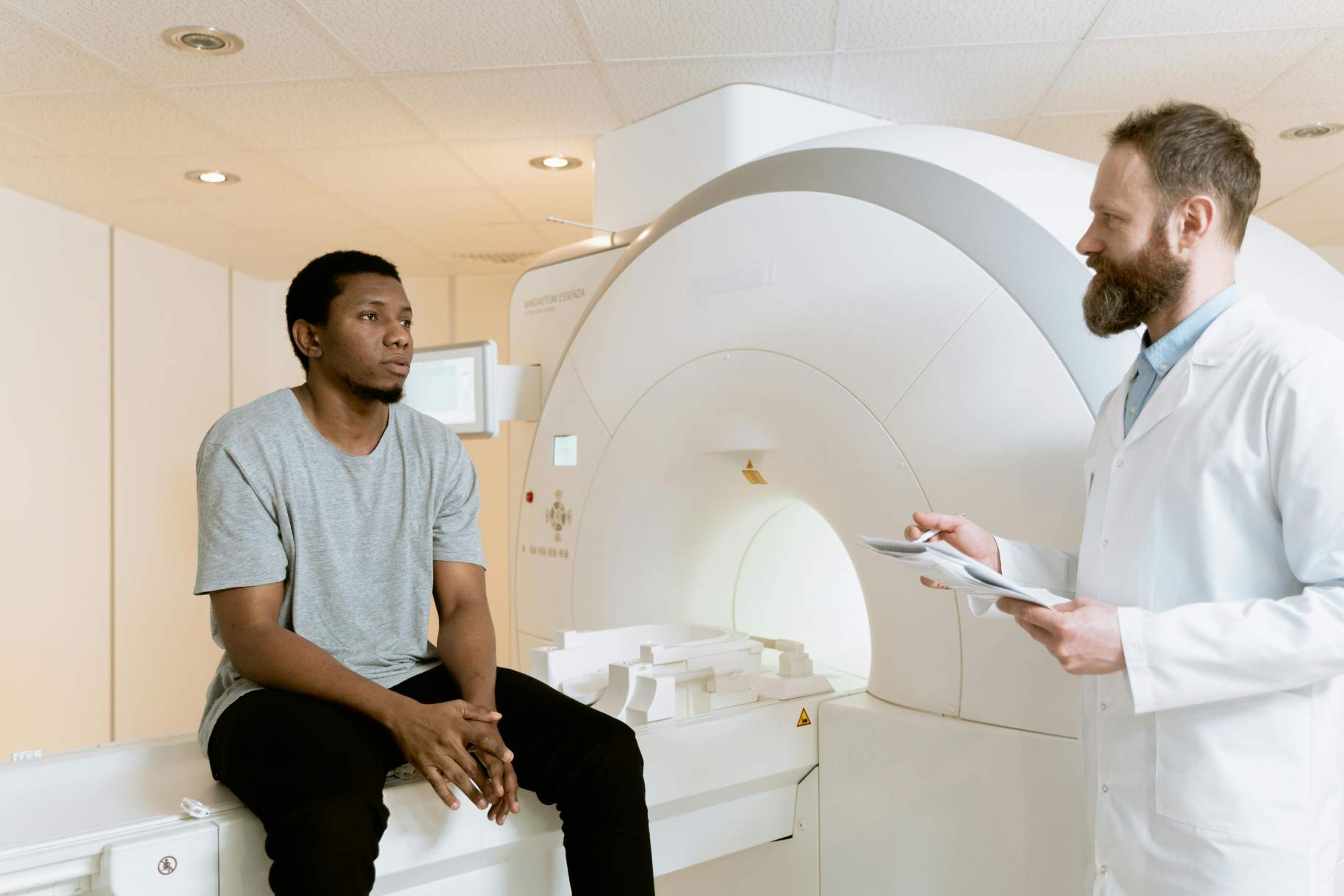
Preparing for a Magnetic Resonance Imaging (MRI) scan can be a source of anxiety for many patients and caregivers. Understanding what to expect and how to prepare can help alleviate some of this stress and ensure a smoother experience.
This article will provide a comprehensive guide on how to prepare for an MRI scan, including brain MRIs and other types of MRI scans, to help you feel more comfortable and confident on the day of your procedure.
Understanding MRI and Its Importance
MRI, or Magnetic Resonance Imaging, is a non-invasive diagnostic tool that provides detailed images of the body's internal structures using powerful magnetic fields and radio waves. Unlike X-rays or CT scans, MRI does not use ionizing radiation, making it a safer option for many patients.
MRI scans are crucial for diagnosing a wide range of conditions, including brain tumors, neurological disorders, and joint abnormalities.
Pre-Scan Preparations
Medical History and Information Disclosure
Before your MRI scan, it is essential to provide your healthcare provider with a complete medical history. This includes information about any medical conditions, allergies, and previous surgeries. It is particularly important to inform your provider about any metal implants, such as pacemakers, cochlear implants, or metal fragments, as these can be contraindications for MRI.
Accurate disclosure helps ensure your safety during the MRI scan. Special precautions or alternative imaging methods may be necessary if you have metal implants or other contraindications.
Why should you have your surgery with Dr. Cohen?
Dr. Cohen
- 7,500+ specialized surgeries performed by your chosen surgeon
- More personalized care
- Extensive experience = higher success rate and quicker recovery times
Major Health Centers
- No control over choosing the surgeon caring for you
- One-size-fits-all care
- Less specialization
For more reasons, please click here.
Understanding the Procedure
Knowing what to expect during an MRI scan can help reduce anxiety. The procedure involves lying on a movable table that slides into a cylindrical machine.
The machine generates a strong magnetic field around you, and you may hear loud tapping or thumping noises during the scan. Most MRI centers provide earplugs or headphones to help reduce noise. You can also bring your own music or audiobook to listen to during the scan.
Dietary Restrictions and Medications
In most cases, you can eat and drink normally before an MRI scan. However, if you are undergoing an MRI with contrast material (such as gadolinium), your provider may recommend fasting for a few hours before the procedure.
It is also essential to inform your provider about any medications you are taking, as some may need to be adjusted before the scan. Follow your healthcare provider's instructions regarding fasting and medication adjustments to ensure the accuracy of the scan and reduce the risk of complications.
Clothing and Personal Items
Wear comfortable, loose-fitting clothing without metal fasteners or accessories. You will likely be asked to change into a hospital gown for the scan. Remove all metal objects, such as jewelry, watches, and eyeglasses, before the procedure.
Metal objects can interfere with the magnetic field and distort the MRI images. Ensuring you are free of metal items helps obtain clear and accurate results.
Managing Anxiety and Claustrophobia
- Communicate Your Concerns: If you have a fear of confined spaces or feel anxious about the MRI scan, discuss your concerns with your healthcare provider. They can offer solutions such as sedation, anti-anxiety medication, or scheduling an open MRI, which has a wider opening and can be more comfortable for claustrophobic patients.
- Relaxation Techniques: Practice relaxation techniques, such as deep breathing exercises, meditation, or visualization, to help calm your mind before and during the MRI scan. Bringing a companion for support can also provide comfort and reassurance. Staying relaxed and calm can help you remain still during the scan, which is crucial for obtaining clear and accurate images.
What to Expect During and After the MRI Scan
During the Scan
- You will lie on a movable table that slides into the MRI machine. It is important to remain as still as possible to ensure clear images. The scan typically takes 30 to 60 minutes, depending on the area being examined.
- You may be asked to hold your breath for short periods during the scan. Following the technician's instructions and staying still will help produce the best possible images.
After the Scan
- Most patients can resume their normal activities immediately after the MRI scan. If you were given a contrast material, it is essential to drink plenty of water to help flush it out of your system.
- Your healthcare provider will discuss the results with you once they are available. Staying hydrated and following any post-scan instructions from your provider will help ensure a smooth recovery.
Need Help Understanding Your MRI Results?
Preparing for an MRI is an important first step, but understanding the results is just as essential. If your MRI reveals a brain or spinal abnormality, Dr. Aaron Cohen-Gadol can provide an expert review of your imaging and explain what the findings mean for your health. As an internationally recognized neurosurgeon, he carefully evaluates each patient's MRI scans, symptoms, and medical history to provide an accurate diagnosis and personalized treatment recommendations.
Whether you are seeking clarity after an MRI or a trusted second opinion, Dr. Cohen-Gadol is committed to helping you make informed decisions with confidence.
FAQs
What should you not do before an MRI?
Before an MRI, do not wear metal items, apply personal care products with metallic traces, or hide your medical history from the staff.
Can I wear deodorant for an MRI?
No, you should not wear deodorant for an MRI. Many antiperspirants and deodorants contain trace metals, such as aluminum and iron compounds, that can interfere with the strong magnetic field, distort scan images, or cause skin irritation.
Can I drive myself home from an MRI?
Yes, you can usually drive right after an MRI, but it depends on whether you received a sedative or if you feel dizzy. You can drive if you had a standard scan without medicine, but you cannot drive if you took a sedative.
Key Takeaways
- Inform your healthcare provider about any medical conditions, allergies, and metal implants. Avoid metal objects and wear comfortable, loose-fitting clothing.
- Knowing what to expect can help reduce anxiety. Communicate your concerns, practice relaxation techniques, and consider sedation if needed.
- Adhere to any fasting or medication guidelines provided by your healthcare provider. Stay hydrated and discuss the results with your healthcare provider.