Observation of Arteriovenous Fistula


Dural arteriovenous fistulas (dAVFs) are abnormal vascular connections that bypass the normal branching of the blood vessels in the brain and spinal cord, eliminating blood flow to the capillary beds that normally supply the central nervous system with nutrients and oxygen. These altered blood flow patterns can potentially lead to various neurological symptoms.
While the precise cause of dAVFs often remains unclear, factors such as prior trauma, surgical procedures, and genetic predispositions highly correlate to their development. Management options include surgical intervention, endovascular embolization, observation, and radiosurgery, with the choice of treatment tailored to the specific characteristics of the dAVF and the patient's overall health.
Awareness of potential complications, such as postoperative hemorrhage, underscores the importance of informed decision-making when it comes to treatment. In this article, we will take a look into observation as a management approach for dural arteriovenous fistula.
What Are Treatment Options for dAVFs?
The treatment of dural arteriovenous fistulas (dAVFs) involves a tailored approach based on the specific characteristics and severity of the condition. Options include surgical intervention, where abnormal vascular connections are disconnected and abnormal dura is addressed, often used when endovascular embolization is ineffective or unsuitable.
To heal or fix a fistula without surgery, other approaches may be used. Endovascular embolization is a minimally invasive procedure, utilizing catheters to deliver embolic agents and block abnormal connections. Additionally, radiosurgery employs focused radiation beams to gradually close off the dAVF.
Observation may be considered as a treatment option for dural arteriovenous fistulas. The choice among these treatments is determined through careful consideration of the individual patient's health, the type and location of the dAVF, and potential risks and benefits.
Can dAVFs Be Observed Instead of Surgery?
Yes, in certain cases, dural arteriovenous fistulas (dAVFs) can be observed instead of opting for immediate surgery. This approach is often considered when the dAVF is small, asymptomatic, and poses a low risk of complications.
Regular monitoring through imaging studies is employed to track the stability of the condition over time, allowing healthcare professionals to assess whether intervention is necessary based on any changes in the dAVF's characteristics or the emergence of symptoms.
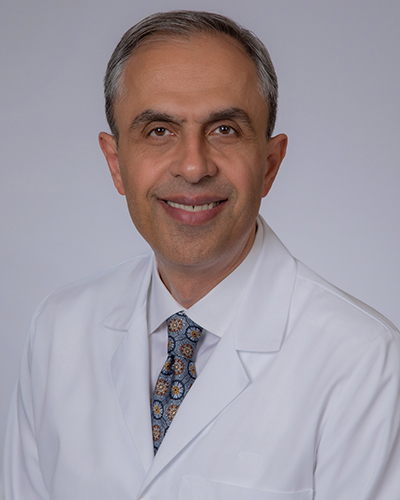
Why should you have your surgery with Dr. Cohen?
Dr. Cohen
- 7,500+ specialized surgeries performed by your chosen surgeon
- More personalized care
- Extensive experience = higher success rate and quicker recovery times
Major Health Centers
- No control over choosing the surgeon caring for you
- One-size-fits-all care
- Less specialization
For more reasons, please click here.
Does Health, Age, Prognosis Impact Whether a Lesion Will Be Observed?
Yes, health, age, and overall prognosis can significantly impact the decision to observe a lesion, such as a dural arteriovenous fistula (dAVF), rather than pursue immediate intervention.
In the context of dAVFs, if an individual is in overall good health, has a stable condition, and is asymptomatic, healthcare professionals may be more inclined to consider observation.
Age can also play a role, as the risks and benefits of interventions may vary across different age groups. Additionally, the overall prognosis of the patient, including the presence of any underlying medical conditions, can influence the treatment approach.
The frequency of follow-up appointments when observing a dural arteriovenous fistula (dAVF) can vary depending on the specific characteristics of the lesion and the patient's overall health.
In general, regular follow-up appointments are scheduled to closely monitor the stability of the dAVF over time.
Risks Associated with dAVF Observation
While observing a dural arteriovenous fistula (dAVF) may be a suitable approach in certain cases, it comes with inherent risks and considerations. There exists a potential for the dAVF to progress or develop complications over time.
If left untreated, dAVFs may cause neurological symptoms, including headaches, vision abnormalities, or, in severe cases, neurological deficits. Additionally, there is a risk of hemorrhage, or bleeding in the brain or spinal cord, where the abnormal connections between arteries and veins are weak. This weakness increases the risk of rupture, as well as the complexity & urgency of subsequent interventions.
Complications Associated With dAVFs
Hemorrhage
Dural arteriovenous fistulas (dAVFs) pose a risk of bleeding due to abnormal connections between arteries and veins, leading to potential intracranial or spinal subarachnoid hemorrhage.
Neurological Deficits
Complications may result in neurological symptoms, including headaches, vision abnormalities, motor and sensory weakness, speech difficulties, and, in severe cases, neurological deficits.
Cerebral Venous Hypertension
The altered blood flow in intracranial (inside the head) dAVFs can lead to increased pressure in the brain's veins, causing symptoms such as pulsatile tinnitus (rhythmic whooshing/ringing in the ears) and vision changes.
Cranial Nerve Dysfunction
Depending on the location of the dAVF, involvement of cranial nerves can lead to various issues, such as facial pain, double vision, or difficulty swallowing.
Seizures
In some cases, dAVFs may contribute to the development of seizures due to abnormal electrical activity in the brain.
Cognitive Impairment
Compromised blood flow and increased intracranial pressure may contribute to cognitive issues, including memory loss or difficulty concentrating.
Myelopathy
If a dAVF is located within the spine, patients may experience sensory changes, weakness in an extremity, paralysis, or loss of bowel and bladder control.
Key Takeaways
- Observation of dural arteriovenous fistulas (dAVFs) involves a non-invasive monitoring approach.
- The observation strategy includes a thorough risk assessment to determine the likelihood of complications.
- Opting for observation acknowledges the importance of individualized patient care.